How Do You Open the Back of a Pocket Watch ?

18835203661 3ef548a5da b
Opening⁢ the back of​ a pocket watch can be a delicate⁣ task, essential ⁤for identifying‌ the watch’s ‌movement, ‌which ​often bears ‍crucial information about the⁤ timepiece. However, the method‌ for accessing the movement ⁤varies among different watches, and improper ‍handling ⁤can lead to⁣ damage. Some ⁤pocket watches feature​ a​ back cover that simply pries open, sometimes ⁤revealing an additional ⁢”dust”⁣ cover that also needs to be pried off.‌ These covers ⁣often have a hinge ⁣or a small indentation indicating ⁢where to insert a thumbnail or⁤ a ⁤dull knife ​blade. Caution ⁣is paramount to avoid scratching the⁢ case or ⁢injuring​ oneself, especially if using sharp tools. In⁣ other instances, the​ back cover may​ screw off, requiring a different approach‌ to ensure the watch remains intact and‌ undamaged. Understanding the correct ⁢method for your specific pocket ‌watch is crucial to maintaining its integrity and⁢ functionality.

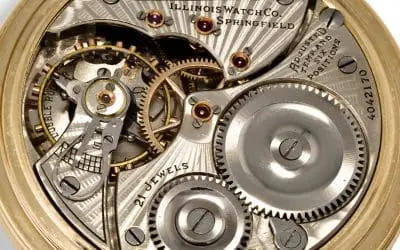
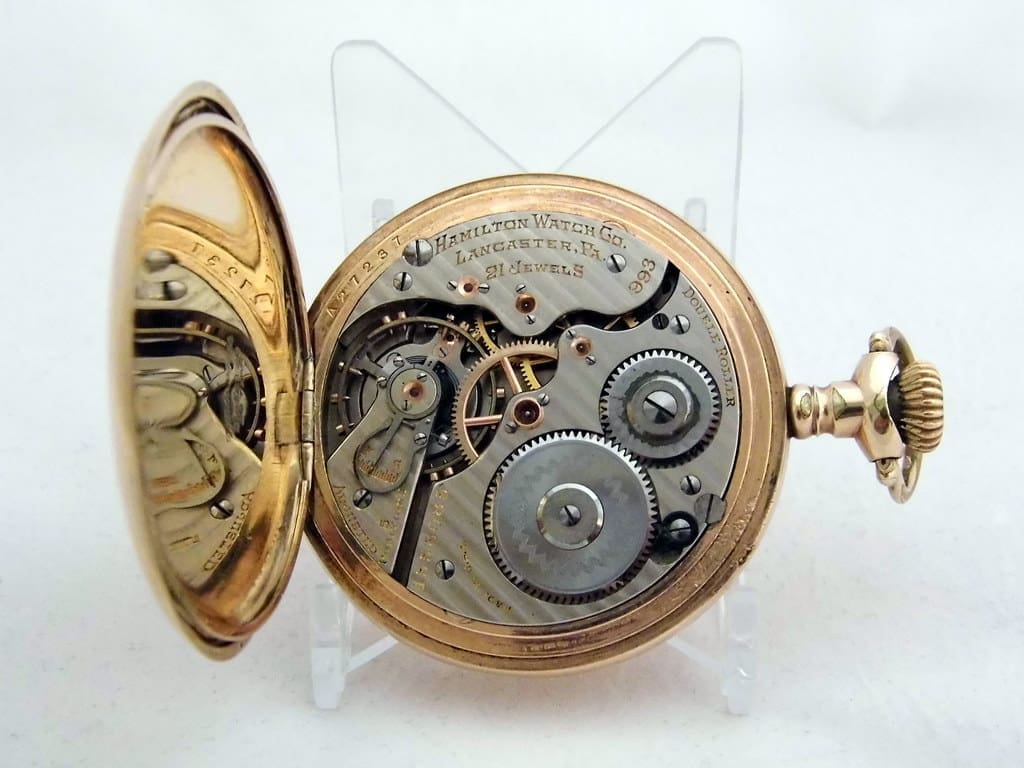
Most of the information crucial to identifying a particular pocket watch is inscribed on the watch movement. Different watches allow you to see the movement in different ways, however, and if you don’t realize how your watch opens up you can damage it.

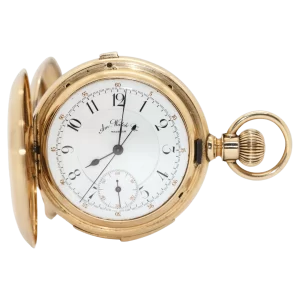
Pry off – on many watches the back cover simply pries open. Sometimes there is an inner “dust” cover that must also be pried open to expose the movement. Often, you will be able to see a hinge on the back, which indicates that the cover opens this way, but occasionally the cover will just pop off. You can usually pry off the cover with a thumbnail or a dull knife blade, but if you are having difficulty make sure that the cover really does pry off before you break something! Also, if you decide to use something sharp like a razor blade or Swiss army knife, be very careful you don’t slice your thumb in the process. Also, care should be taken not to scratch the case. If the cover is meant to be pried off, there will often be a small indentation or “lip” where the blade or thumbnail can be inserted, and if you can’t find any sign of a lip, it may not be a pry off cover. . .

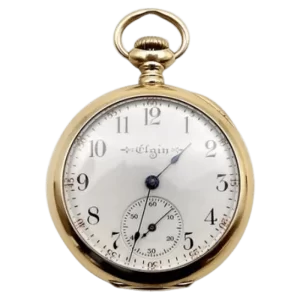
Screw off – Surprise! Some back covers simply screw off, a fact I learned after unsuccessfully trying to pry off the back cover on one of my first watches. If you can’t pry the cover off, try unscrewing it in a counter-clockwise direction. Just be careful you don’t grip the front of the watch so tightly that you end up breaking the crystal in the process. If you have any doubt whether a cover is pry off or screw off, by the way, it is always safer to try screwing it off first. You’re less likely to damage a pry off cover by trying to unscrew it than you are to damage a screw off cover by trying to pry it off.

Swing Out — Some watches don’t actually have a back cover, or else the back cover only exposes the inner dust cover and not the movement. These are usually swing out cases that open from the front. To open a swing out case, you first need to open the front bezel [it’s usually hinged and pries off or else needs to be unscrewed]. If it’s a stem wind watch, you will then probably need to carefully pull on the winding stem until you hear a soft click. The movement should then swing out from the bottom, while remaining attached to the case via a hinge at the top. Care should be taken to not pull too hard, since you don’t want to actually

Guide to Pocket Watches pull the stem right out of the case. And if the stem doesn’t pull out with gentle pressure, make sure that the watch isn’t really in a pry off or screw off case before pulling any harder.

If it’s a key wind watch, instead of pulling on the stem you will probably need to press in a tiny catch at the base of the dial near the 6. This can be a bit of a delicate procedure, and if you have any doubts about whether this is really a swing out case or not your best bet is to bring it to somebody a bit more knowledgeable.

4.3/5 - (13 votes)

Recommended for You…

The Science Behind Mechanical Pocket Watch Movements

Mechanical pocket watches have been around for centuries and continue to be popular vintage accessories for both men and women. From the intricate designs to the precise timekeeping, these timepieces are a testament to the ingenuity and craftsmanship of watchmakers....

The Significance of Hallmarks on Antique Silver Pocket Watches

Antique silver pocket watches hold a certain charm and fascination for both collectors and novices alike. These small, intricate timepieces not only serve as functional accessories but also serve as a testament to the craftsmanship and artistry of a bygone era....

The Mechanism of Repeater Watches Explained

Repeater pocket watches have a long and intriguing history, dating back to the 17th century. These intricate timepieces were admired by many for their ability to chime and strike at the push of a button, making them a popular choice for those in need of a reliable and...

The Influence of Swiss Craftsmanship on Antique Watches

Switzerland has long been renowned for its precision and excellence in craftsmanship, particularly in the realm of horology. The country's reputation for producing high-quality timepieces dates back centuries, with Swiss watchmakers gaining worldwide recognition for...

The Decline of Pocket Watches: Causes and Effects

The pocket watch, once a staple accessory of gentlemen and a symbol of refined elegance, has seen a significant decline in its popularity in recent years. From being an essential tool for timekeeping to becoming a statement piece of fashion, the pocket watch has...

The Value of Antique Pocket Watches: What Collectors Need to Know

Antique pocket watches have a rich history and hold a special place in the world of collectibles. These intricate timepieces were once an essential accessory for the upper class, and today, they continue to capture the attention of collectors worldwide. While many may...

The Role of Jewel Bearings in Antique and Vintage Watch Movements

Pocket watches have been an integral part of timekeeping for centuries, serving as a symbol of elegance and precision. And behind the intricate movements of these timepieces lies a crucial component – the jewel bearings. These small, precious gemstones play a vital...

Navigational Timepieces: Marine and Deck Pocket Watches

Navigational timepieces have played a crucial role in maritime history, aiding sailors in their journeys across the vast seas. These timepieces, specifically designed for use on ships, were essential tools for navigation and timekeeping. Among the many types of...

The Preservation and Display of Antique Pocket Watches

Antique pocket watches hold a unique place in our history, serving as both functional timepieces and cherished heirlooms. These intricate and often ornate timepieces have been passed down through generations, carrying with them stories and memories from a bygone era....

Key-Wind vs. Stem-Wind Pocket Watches: A Historical Overview

Pocket watches have been a staple in timekeeping for centuries, serving as a reliable and convenient accessory for people on the go. However, the way these timepieces are powered and wound has evolved over time, resulting in two popular mechanisms known as key-wind...

The Art of Guilloché on Antique Watch Cases

The intricate designs and delicate beauty of antique pocket watches have captivated collectors and enthusiasts for centuries. While the mechanisms and timekeeping capabilities of these timepieces are certainly impressive, it is often the ornate and decorative cases...
Watch Museum: Discover the World of Antique & Vintage Pocket Watches
Privacy Overview

This website uses cookies so that we can provide you with the best user experience possible. Cookie information is stored in your browser and performs functions such as recognising you when you return to our website and helping our team to understand which sections of the website you find most interesting and useful.