


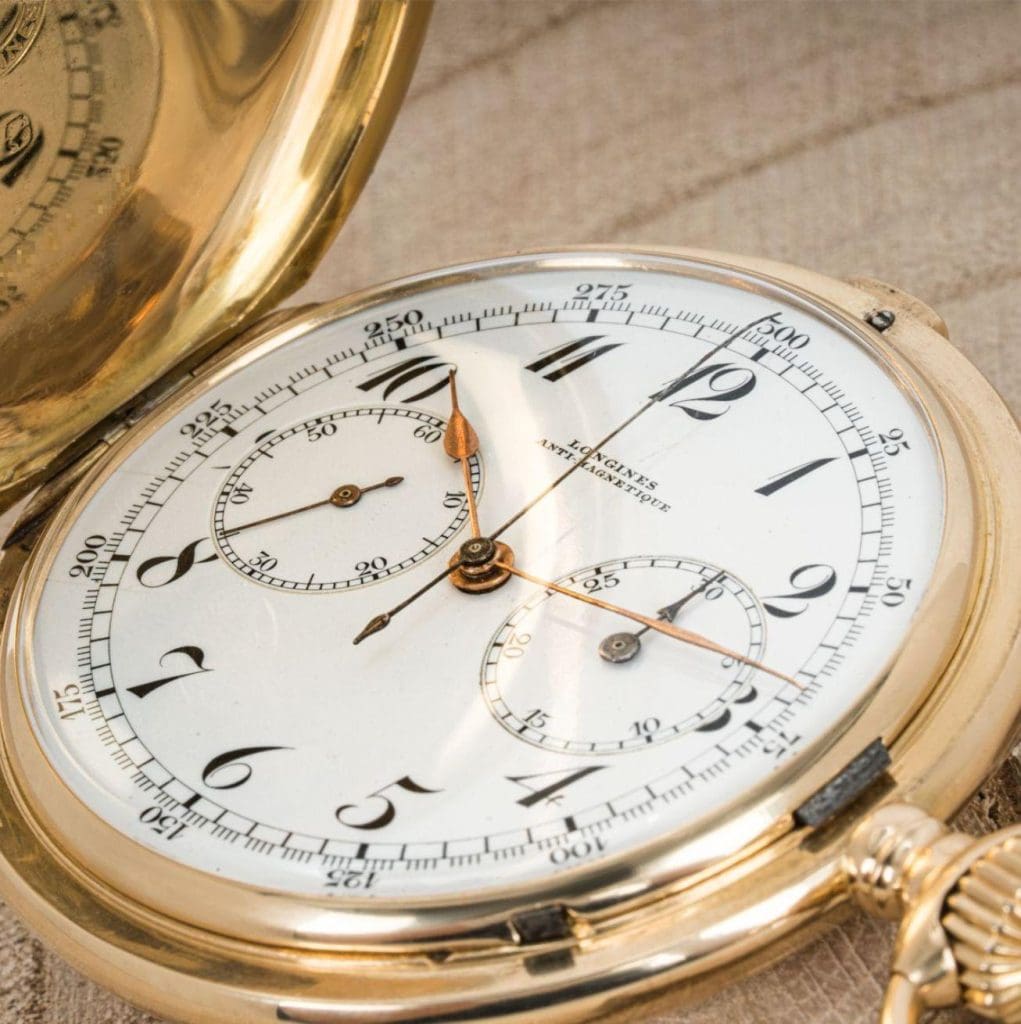
Chronograph pocket watches have been a symbol of elegance and precision for centuries. These timepieces have graced the pockets of distinguished gentlemen and ladies, serving as both a functional tool and a statement of sophistication. But what exactly is a chronograph pocket watch and how did it come to be? In this article, we will delve into the rich history of these intricate timepieces and explore the inner workings that make them so unique. From their inception in the early 19th century to their modern day adaptations, we will uncover the evolution of chronograph pocket watches and the technology behind their remarkable timekeeping abilities. Whether you are a connoisseur of vintage pocket watches or simply an admirer of horology, this article will provide a comprehensive look into the world of chronograph pocket watches and how they have stood the test of time. So sit back, relax, and prepare to be fascinated by the fascinating history and mechanics of these timeless timepieces.

Evolution of Chronograph Pocket Watches
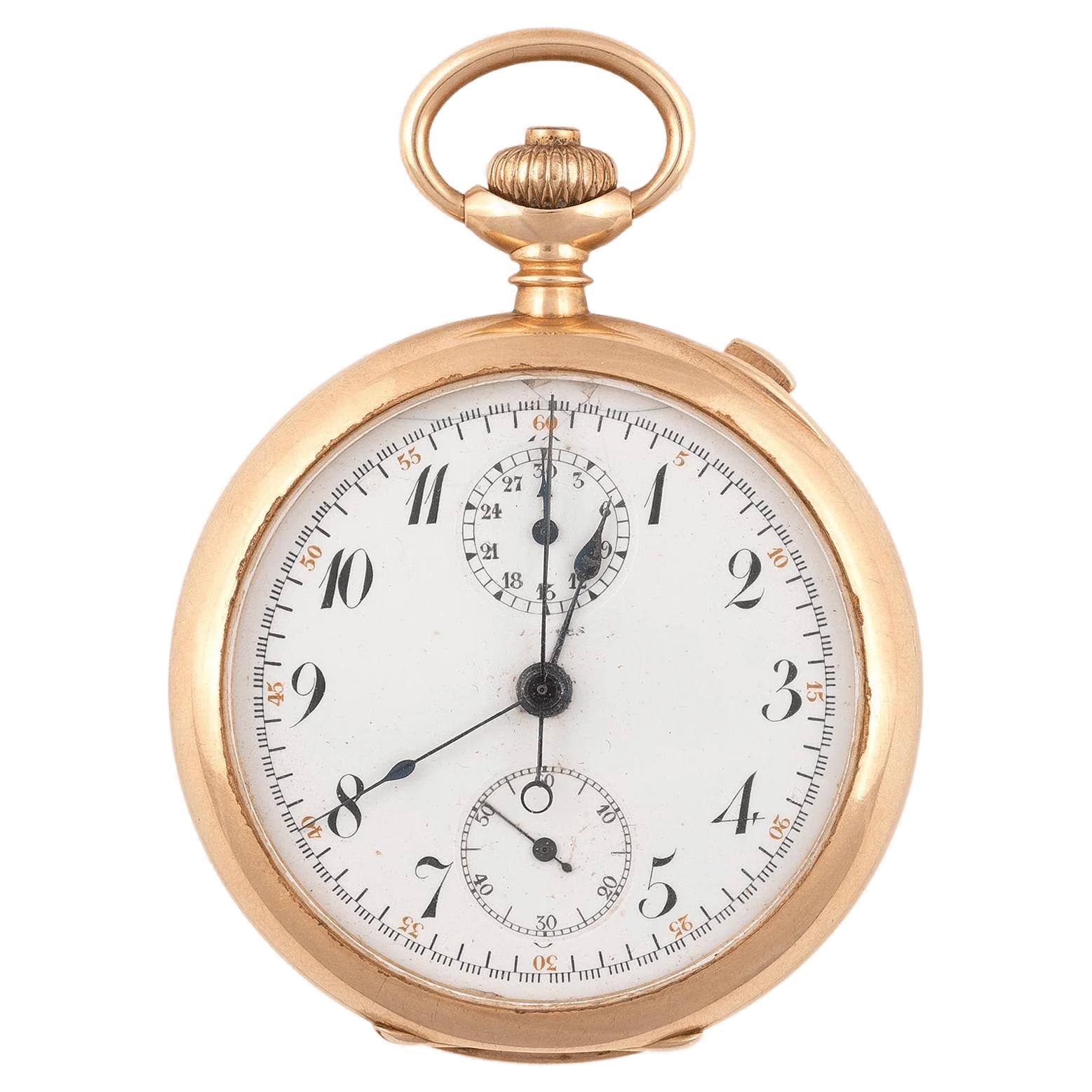
Over the course of history, the evolution of chronograph pocket watches has been a fascinating journey of innovation and refinement. From their early beginnings in the 18th century to their present-day forms, these timepieces have undergone significant advancements in both design and functionality. In the early years, chronograph pocket watches were primarily used by the military for precise timing during various missions and military activities. However, as time went on, watchmakers began to incorporate additional features such as multiple dials and sub-dials, allowing for more accurate time measurements and the recording of multiple events. The introduction of mechanical movements brought further enhancements, enabling the measurement of elapsed time with greater precision. With the advent of quartz technology, chronograph pocket watches gained even more accuracy and reliability, making them essential tools for professionals in various fields. Today, these timepieces continue to captivate watch enthusiasts with their rich history and the intricate craftsmanship that goes into their creation.


First use in 18th century
During the 18th century, the first instances of pocket watches with chronograph functionality emerged, marking a significant milestone in horological history. These early chronograph pocket watches provided users with the ability to measure elapsed time with greater accuracy and convenience. The development of this innovative feature opened up new possibilities for various fields, such as the military, where precise timing was crucial for coordinating maneuvers and calculating distances. The introduction of the chronograph function in pocket watches during this era laid the foundation for the evolution of timekeeping devices, paving the way for future advancements and the integration of additional features.

Popularized by military use
One notable aspect that contributed to the widespread adoption of chronograph pocket watches was their popularization through military use. Recognizing the value of precise timing in military operations, the armed forces embraced the functionality provided by these timekeeping instruments. Chronograph pocket watches became essential tools for coordinating strategies, synchronizing attacks, and accurately measuring intervals during maneuvers. The military’s endorsement of chronographs elevated their status and solidified their reputation as reliable and indispensable timekeeping devices. Consequently, the popularity gained from their successful utilization in military settings further propelled the demand for chronograph pocket watches in civilian markets.
Dual function of timekeeping and timing
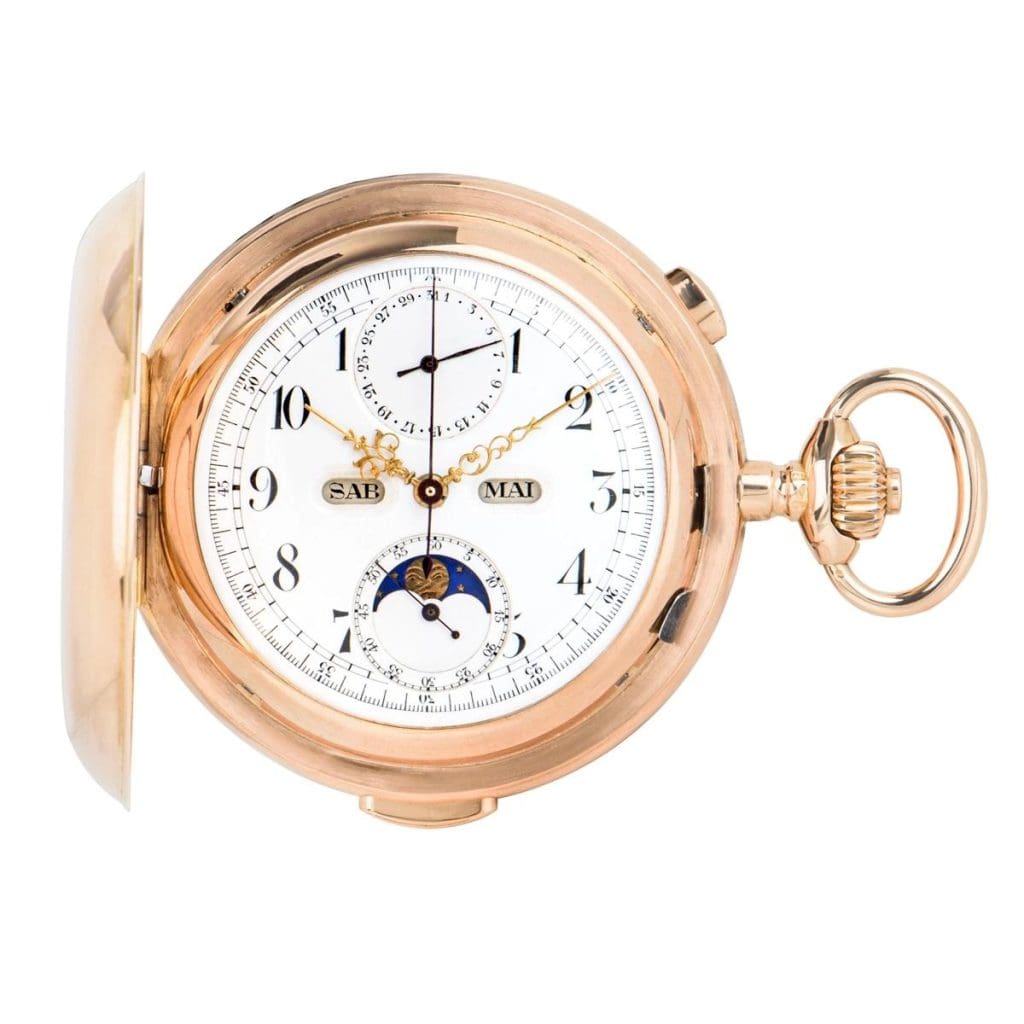
Another significant feature that made chronograph pocket watches highly sought after was their dual function of timekeeping and timing. Unlike standard timepieces that solely displayed the hours and minutes, chronograph pocket watches incorporated additional mechanisms that allowed users to measure elapsed time with precision. This dual functionality proved invaluable in various fields, including sports, aviation, and scientific experiments, where accurate timing was paramount. By activating the chronograph function, individuals could start, stop, and reset a separate timing mechanism, providing them with the ability to track durations and intervals with accuracy and ease. This added versatility made chronograph pocket watches an essential tool for professionals and enthusiasts alike, further cementing their significance in horological history.

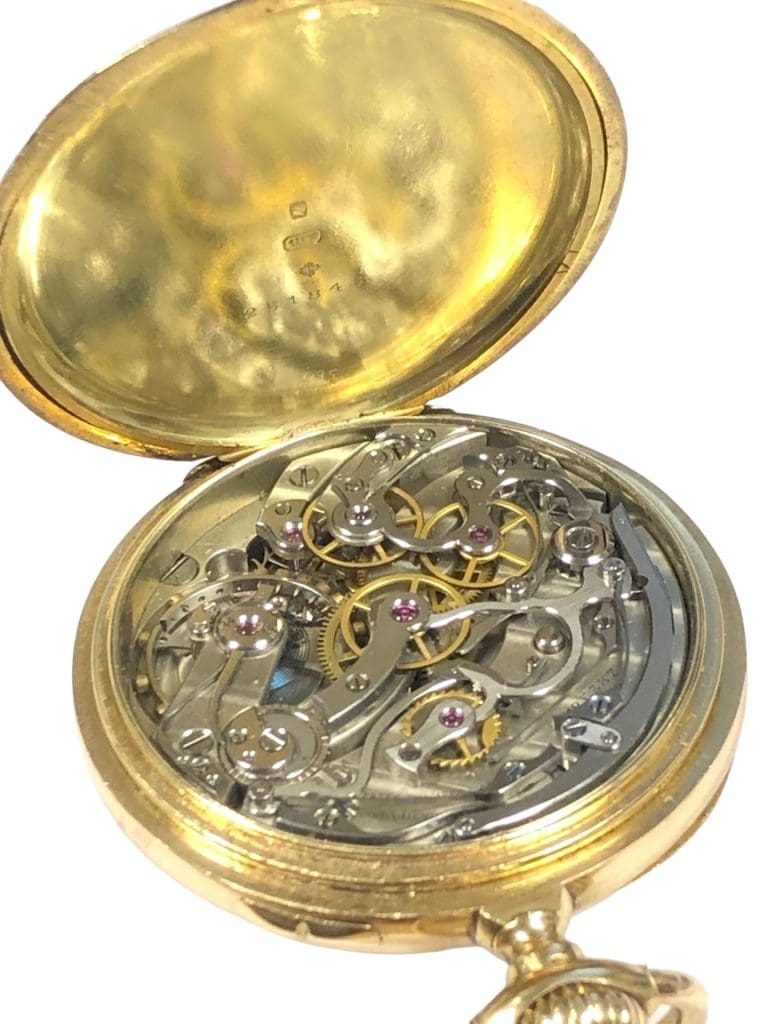
Use of push buttons and dials
The use of push buttons and dials in chronograph pocket watches revolutionized the way individuals interacted with their timepieces. Prior to the introduction of these mechanisms, adjusting and operating a watch often required the use of a key or crown, which could be cumbersome and time-consuming. The inclusion of push buttons and dials provided a more intuitive and efficient method of controlling the various functions of the watch. Through the simple act of pressing a button or turning a dial, users could activate the chronograph, start and stop the timing mechanism, and make precise adjustments as needed. This user-friendly design not only enhanced the functionality of chronograph pocket watches but also elevated the overall user experience, making them a popular choice among individuals seeking both style and convenience in their timekeeping devices.
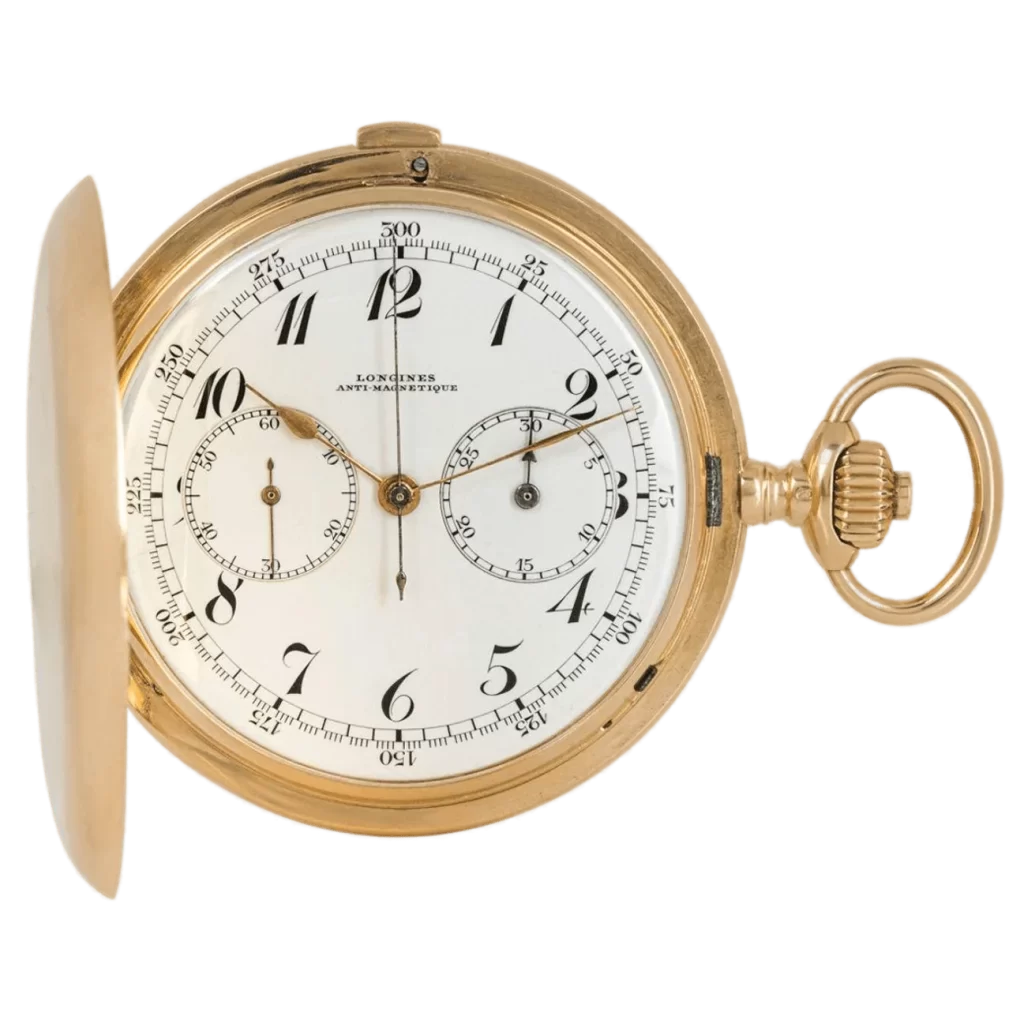
Split-second accuracy achieved
With advancements in watchmaking technology, chronograph pocket watches have achieved split-second accuracy, allowing users to measure and record time with unparalleled precision. Through the integration of advanced mechanical movements and intricate mechanisms, these timepieces are capable of capturing and displaying time intervals as small as a fraction of a second. This level of accuracy is crucial in various fields where timing is of utmost importance, such as sports, scientific experiments, and professional racing. The achievement of split-second accuracy in chronograph pocket watches demonstrates the exceptional craftsmanship and dedication to precision that watchmakers have continually strived for, solidifying their reputation as reliable and indispensable timekeeping instruments.
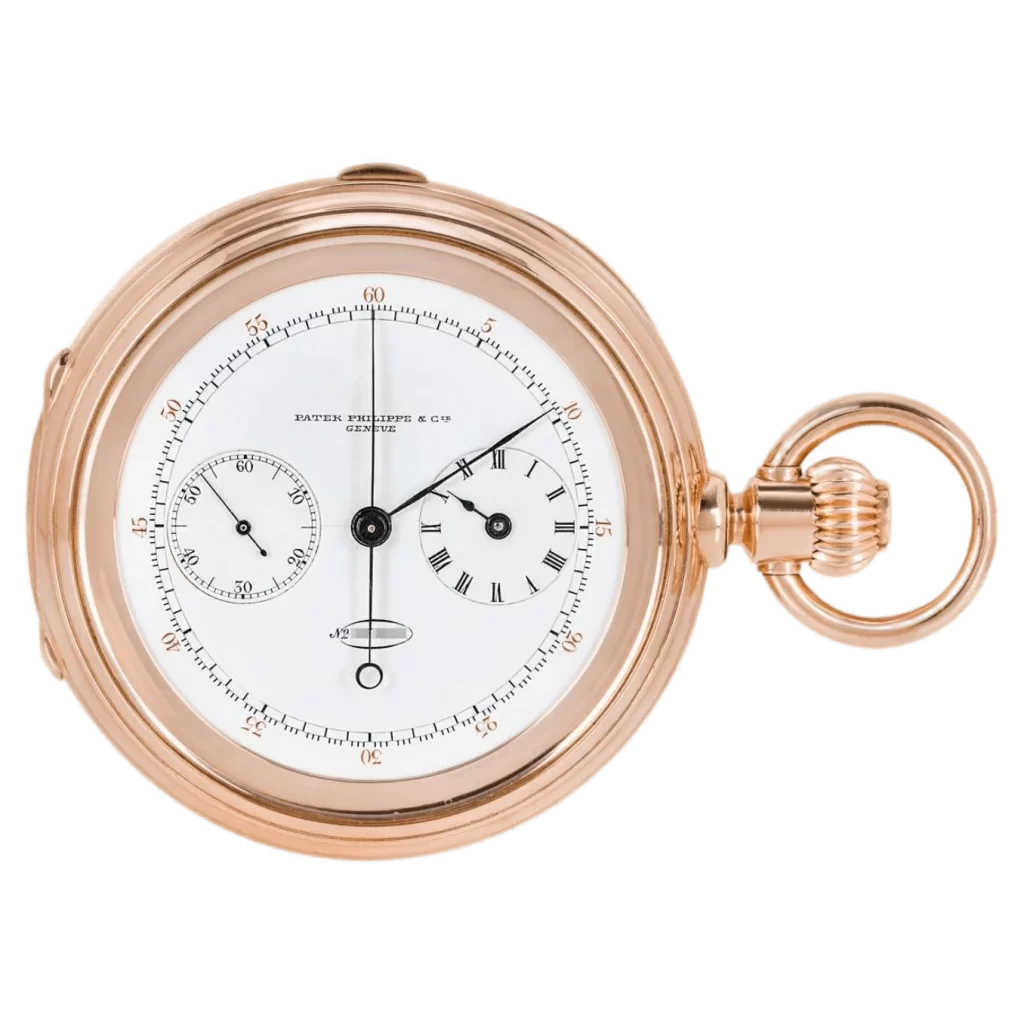
Rare Patek Philippe Regulator Dial Split Second Chronograph Pocket Watch C1878
Timeless appeal of classic design.
The timeless appeal of classic design is a quality that has endured throughout the history of chronograph pocket watches. While modern advancements have undoubtedly brought new features and functionalities, there is a certain allure in the simplicity and elegance of a classic design. The clean lines, intricate craftsmanship, and attention to detail in vintage pocket watches evoke a sense of nostalgia and sophistication. It is this timelessness that transcends trends and fads, making classic designs highly sought after by collectors and enthusiasts alike. The enduring appeal of classic design in chronograph pocket watches is a testament to the enduring beauty and enduring appreciation for the craftsmanship of yesteryear.

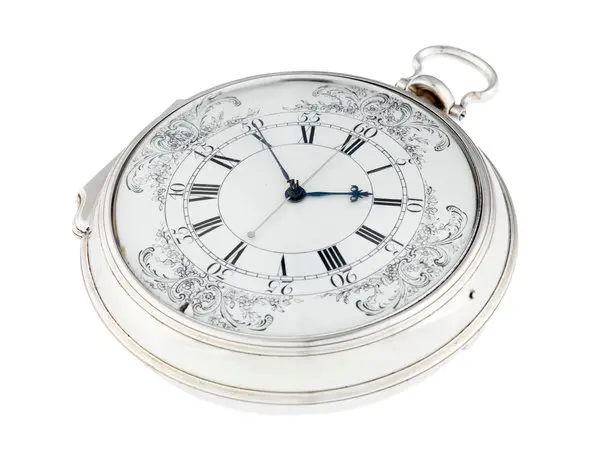
Chronograph pocket watches have a rich history, dating back to the early 19th century. These timepieces were not only valuable for their accuracy, but also for their ability to accurately measure short intervals of time. Today, they are still cherished by collectors and watch enthusiasts for their intricate mechanics and timeless style. Whether used for practical purposes or simply admired for their craftsmanship, the chronograph pocket watch will always hold a special place in horological history.
FAQ
What is the history behind chronograph pocket watches and when were they first invented?
Chronograph pocket watches were first invented in the early 19th century by French watchmaker Louis Moinet. They were initially used for tracking astronomical events and later became popular as a tool for timing sporting events such as horse races. The chronograph function allowed users to measure elapsed time precisely, making them a valuable tool for various activities. Over time, they evolved in design and functionality, becoming a sought-after accessory for both practical and aesthetic purposes. Today, chronograph pocket watches are considered a timeless and classic timepiece in the world of horology.
How do chronograph pocket watches differ from regular pocket watches in terms of functionality and design?
Chronograph pocket watches differ from regular pocket watches in that they include additional stopwatch functions, such as measuring elapsed time and recording multiple time intervals. This added functionality is reflected in the design with the presence of extra subdials and buttons on the watch face. Regular pocket watches typically only display the time, date, and sometimes include a second hand. The chronograph feature adds complexity to the watch design and allows for more versatile timekeeping capabilities.
What are the key components and mechanisms that make a chronograph pocket watch work?
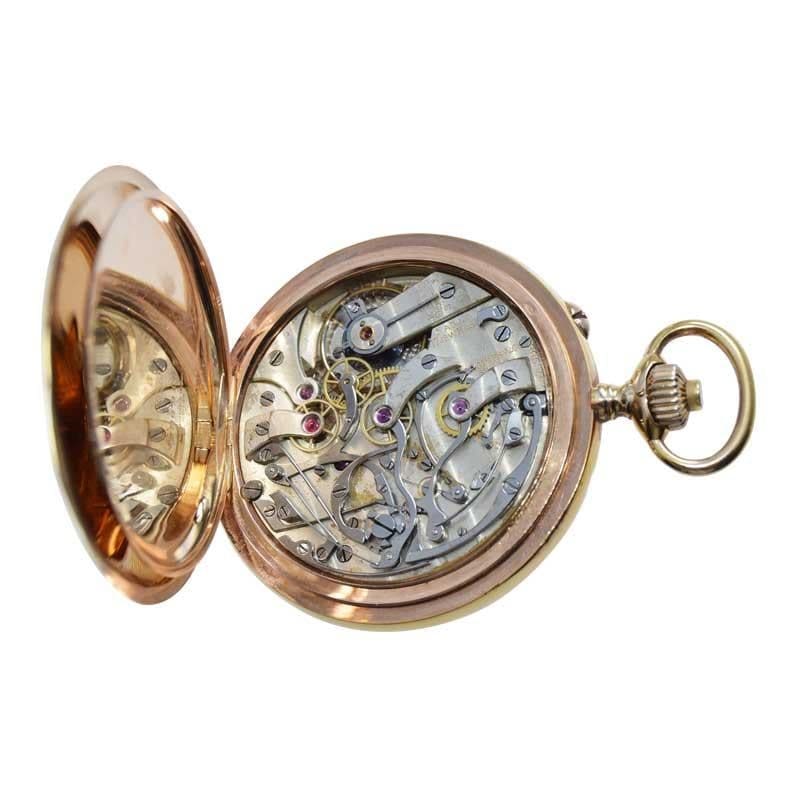
A chronograph pocket watch works through a combination of components and mechanisms including a main spring for power, gears for timekeeping, a column wheel or cam for starting/stopping/resetting the chronograph function, a set of levers to engage/disengage the chronograph, a center seconds hand for timing, and pushers on the case to control the chronograph functions. The pushers activate the start/stop and reset mechanisms by interacting with the column wheel or cam, allowing the user to measure elapsed time accurately. The precision and coordination of these components ensure the proper functioning of a chronograph pocket watch.
How accurate are chronograph pocket watches in measuring time intervals and tracking events?
Chronograph pocket watches are generally accurate in measuring time intervals and tracking events, especially those with high-quality movements. However, their accuracy may vary based on the brand, model, and maintenance. Regular servicing and calibration are recommended to ensure precise timekeeping. Overall, chronograph pocket watches are reliable tools for tracking events and measuring time intervals with a reasonable level of accuracy.
What are some famous examples of chronograph pocket watches throughout history and how have they influenced watchmaking?
Some famous examples of chronograph pocket watches throughout history include the Patek Philippe Henry Graves Supercomplication and the Longines 13ZN. These timepieces have influenced watchmaking by showcasing the technical capabilities of chronograph movements, setting new standards for precision and craftsmanship. Their intricate designs and innovative features have inspired watchmakers to push boundaries in creating sophisticated and high-quality chronograph watches, leading to advancements in movement technology and design aesthetics in the watchmaking industry.