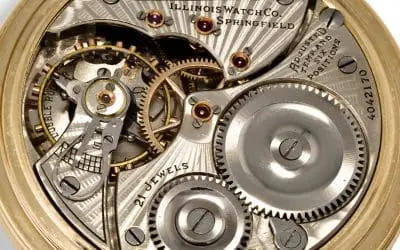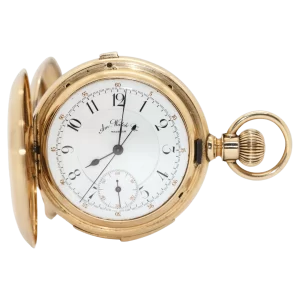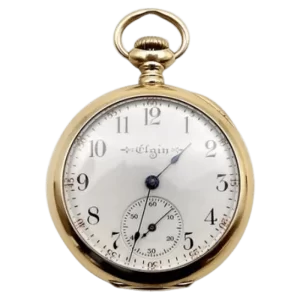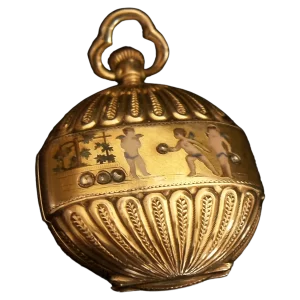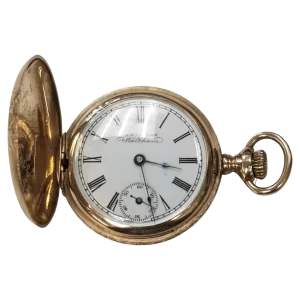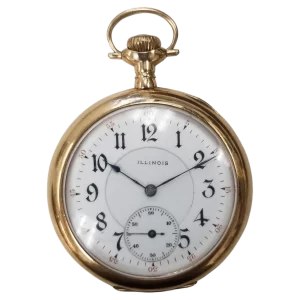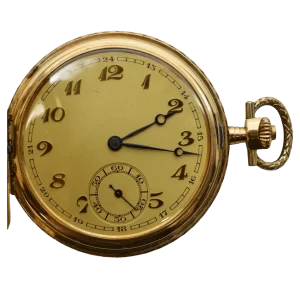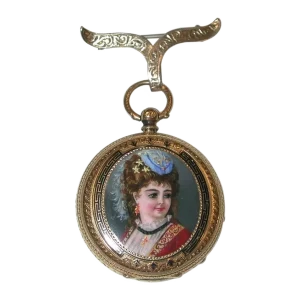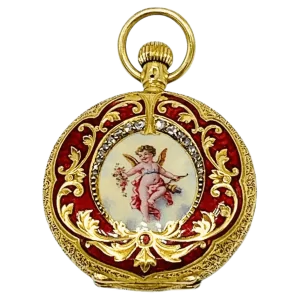

שעוני כיס עתיקים מכסף טומנים בחובם קסם וקסם מסוימים עבור אספנים ומתחילים כאחד. שעונים קטנים ומורכבים אלה משמשים לא רק כאביזרים פונקציונליים, אלא גם כעדות לאומנות ולמלאכת יד של תקופה קודמת. עם זאת, מעבר ליופיים ולמשמעותם ההיסטורית, שעוני כיס עתיקים מכסף טומנים בחובם גם סוד נסתר בצורת סימני היכר. סמלים קטנים אלה החרוטים על פני השטח הכסופים של השעון טומנים בחובם שפע של מידע ויכולים לספק תובנות חשובות לגבי מקורו, גילו ואיכותו של השעון. במאמר זה, נעמיק במשמעות הסימנים המסחריים על שעוני כיס עתיקים מכסף, נחקור את ההיסטוריה שלהם, משמעותם וכיצד הם יכולים לסייע בזיהוי ובאימות של חפצים יקרי ערך אלה. מהסימנים המסחריים הבריטיים המסורתיים ועד לסמלים השוויצריים והאמריקאים המורכבים, נחשוף את הסיפורים שמאחורי הסימנים הללו ונשפוך אור על חשיבות הסימנים המסחריים בעולם שעוני הכיס העתיקים מכסף. אז הצטרפו אלינו למסע הזה בזמן כשאנו חושפים את המסתורין והמשמעות של הסימנים המסחריים על שעוני כיס עתיקים מכסף.
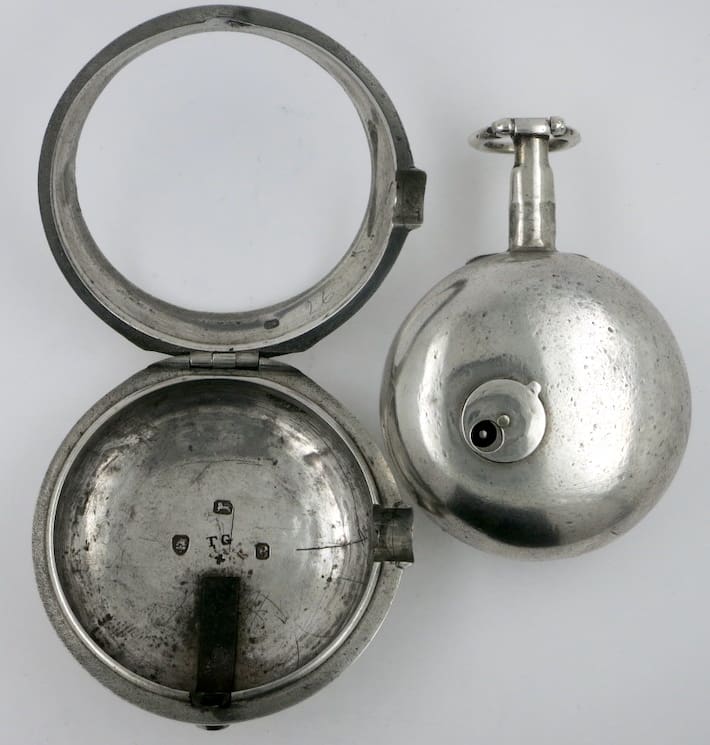
ערך היסטורי מתגלה בסימני ההיכר.
אחד ההיבטים המרתקים ביותר בחקר שעוני כיס עתיקים מכסף טמון בערך ההיסטורי המתגלה באמצעות בחינת סימני היכר. סימנים קטנים אך משמעותיים אלה על גוף השעון מספקים תובנות חשובות לגבי מקורו, תאריך הייצור ואיכותו. סימני היכר משמשים כצורת אימות, המאפשרים לאספנים וחובבים לעקוב אחר שושלת שעון הכיס ולחשוף את ההיסטוריה העשירה שלו. על ידי פענוח הסמלים והאותיות המורכבים החרוטים על גוף השעון, ניתן לחשוף את הסיפור שמאחורי האומנות, הצורפים הנודעים שיצרו אותו, ואת תקופת הזמן בה הוא יוצר. סימני היכר אלה לא רק מעלים את המראה האסתטי של שעוני כיס עתיקים מכסף, אלא גם הופכים אותם לחפצים יקרי ערך המשמשים כקשר מוחשי לעבר.
זיהוי שעוני כסף עתיקים אמיתיים.
כשמדובר בזיהוי שעוני כסף עתיקים מקוריים, ישנם מספר גורמים מרכזיים שיש לקחת בחשבון. ראשית, חיוני לבחון את הסימן המסחרי שעל גוף השעון. שעוני כסף עתיקים מקוריים יישאו סימן מסחרי לגיטימי, שהוא סימן של אותנטיות ואיכות. סימנים אלה יכולים להשתנות בהתאם למדינת המקור או לאזור המקור, אך הם בדרך כלל מורכבים מסמלים, אותיות או מספרים המציינים את תכולת הכסף, את סימן הצורף ואת תאריך הייצור. חיוני לחקור ולהכיר את הסימנים השונים ששימשו בתקופות זמן ואזורים שונים כדי לקבוע במדויק את האותנטיות של שעון כסף עתיק. בנוסף, יש לבדוק את איכות העבודה הכוללת ואת מצב השעון, כולל המנגנון, החוגה והמארז. שעוני כסף עתיקים מקוריים מעוצבים לעתים קרובות בקפידה תוך תשומת לב לפרטים ומראים סימני גיל ובלאי התואמים את ההקשר ההיסטורי שלהם. על ידי בחינה מדוקדקת של אלמנטים אלה והתייעצות עם מומחים או מקורות בעלי מוניטין, אספנים וחובבים יכולים לזהות בביטחון שעוני כסף עתיקים מקוריים ולהעריך את משמעותם ההיסטורית והאמנותית.

הבנת סמלי ההיכר והמשמעויות שלהם.
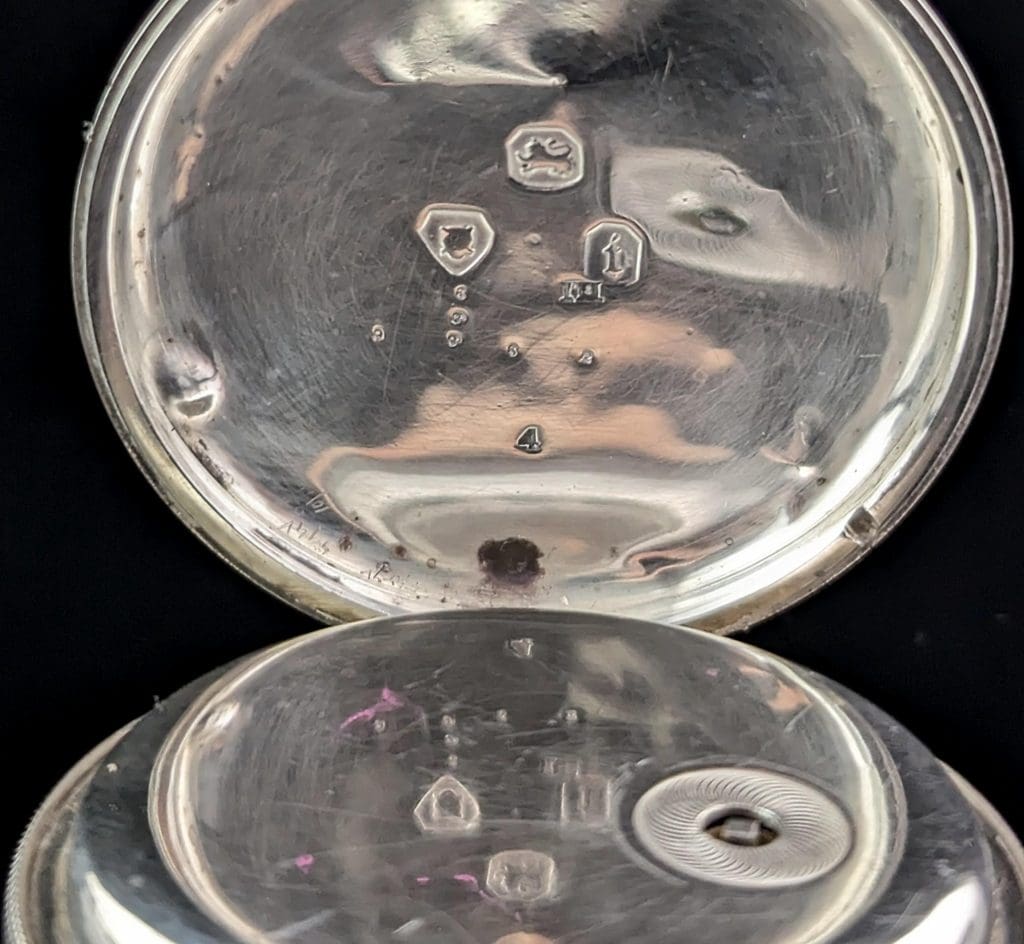
כדי להעריך באופן מלא את משמעותם של סמלי ההיכר על שעוני כיס עתיקים מכסף, יש להתעמק במשמעויותיהם. סמלים אלה, שלעתים קרובות מורכבים ומדויקים, נושאים היסטוריה עשירה ומספקים מידע חשוב על מקורו, איכותו וגילו של השעון. הבנת סמלים אלה היא כמו פענוח קוד סודי שחושף את הסיפור שמאחורי כל שעון. לדוגמה, סימן של אריה מרמז שהשעון יוצר באנגליה, בעוד שסימן של פרח דה ליס מציין מקור צרפתי. צורות שונות, כגון מגנים או כתרים, יכולות לייצג רמות תכולת כסף ספציפיות או להצביע על תקופה מסוימת של ייצור. על ידי פירוט המשמעויות שמאחורי סמלי ההיכר, אספנים וחובבים מקבלים תובנות לגבי אומנותם, מקורם וערכם של שעוני כיס עתיקים מכסף, מה שמאפשר להם להעריך את האוצרות הנצחיים הללו ברמה חדשה לגמרי.
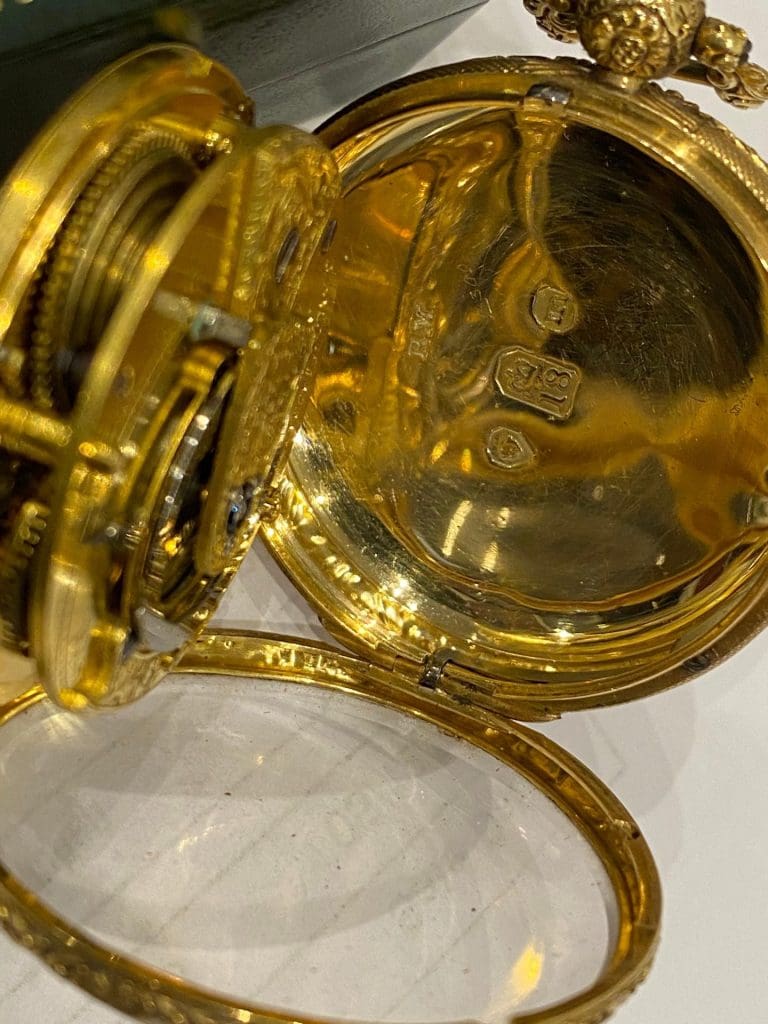
רמזים חשובים לשעוני היכרויות.
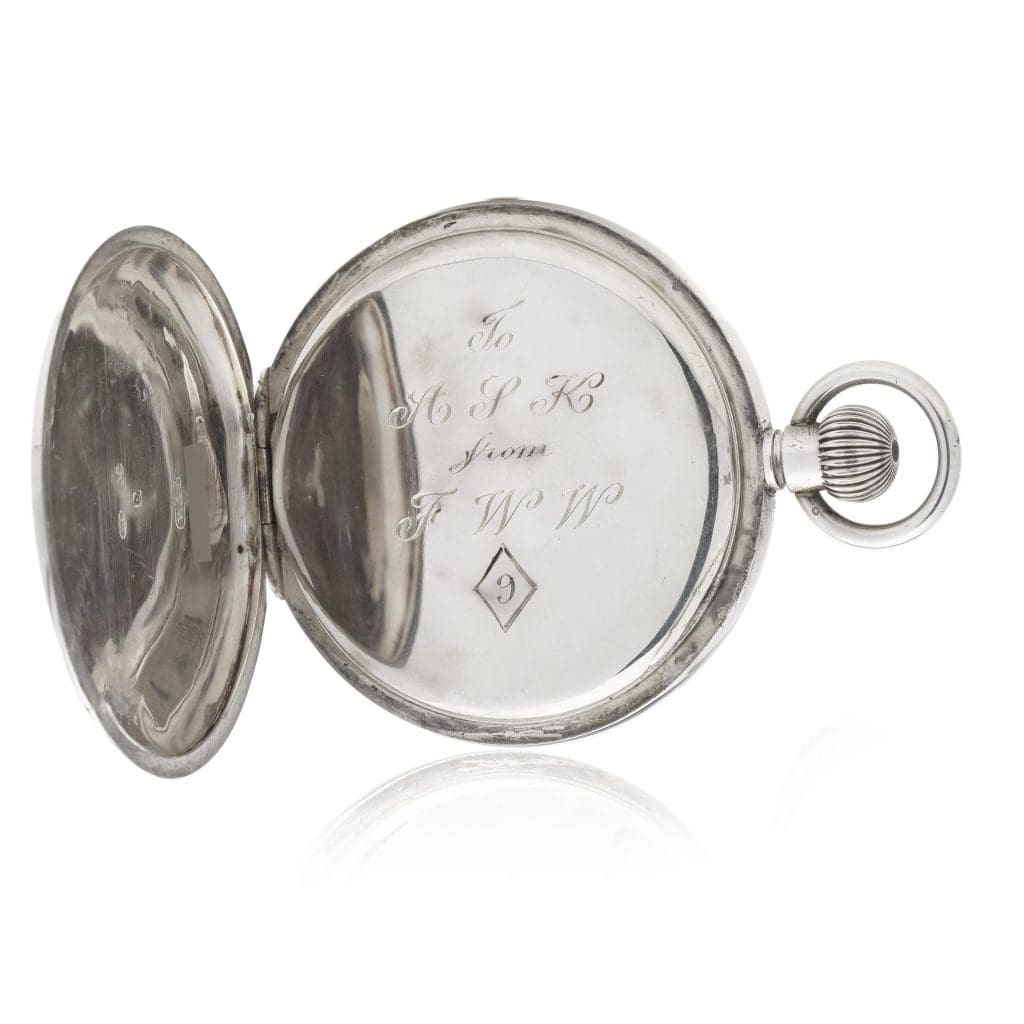
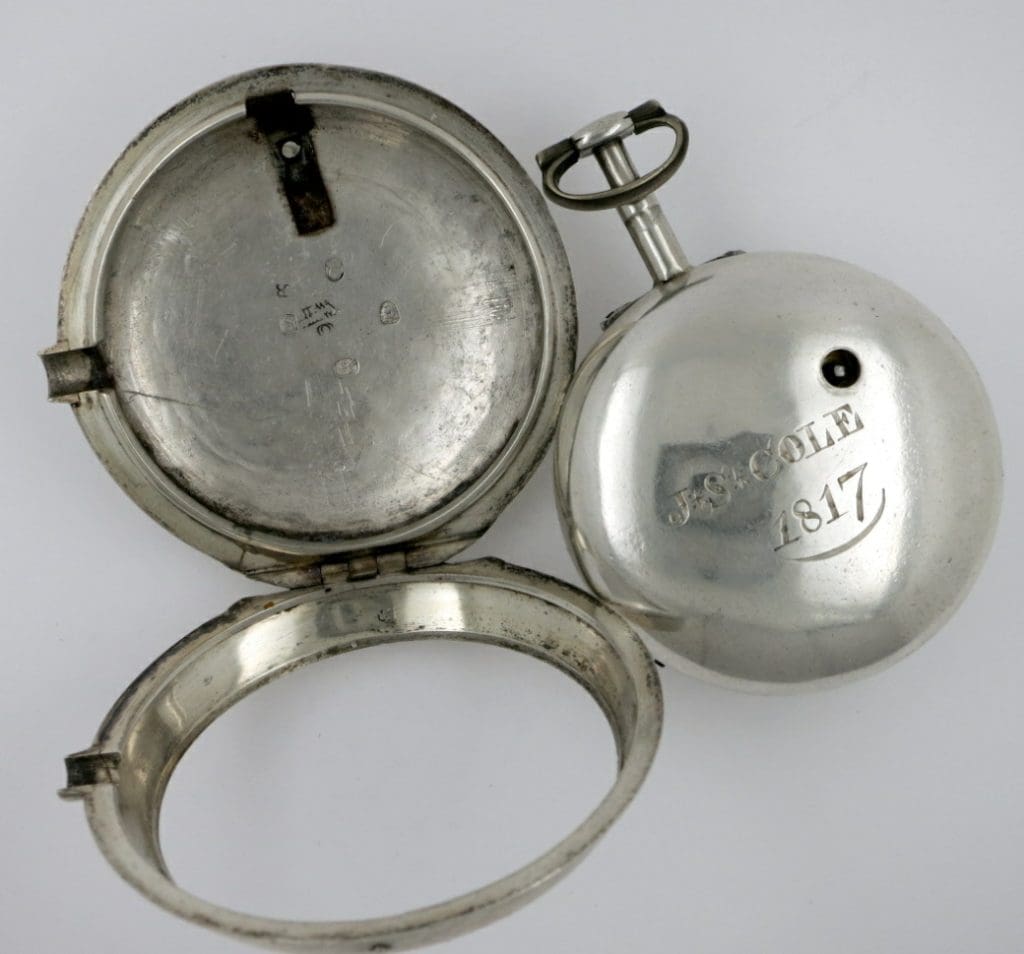
כשמדובר בתיארוך שעוני כיס עתיקים מכסף, ישנם מספר רמזים חשובים שיכולים לספק תובנות לגבי גילם והיסטוריה שלהם. רמז חשוב אחד הוא הסגנון והעיצוב של השעון עצמו. תקופות זמן שונות מאופיינות באלמנטים עיצוביים שונים, כגון צורת גוף השעון, סגנון המחוגים או נוכחות של חריטות דקורטיביות. על ידי השוואת מאפייני עיצוב אלה לדוגמאות ידועות מתקופות זמן ספציפיות, אספנים ומומחים יכולים לצמצם את טווח התאריכים האפשרי עבור שעון מסוים. בנוסף, בחינת המנגנון ורכיביו יכולה להציע מידע חשוב על גיל השעון. מנגנונים או התקדמות טכנולוגית מסוימים הוצגו בנקודות ספציפיות בהיסטוריה, מה שמספק ראיות נוספות למטרות תיארוך. יתר על כן, נוכחותם של חריטות, ראשי תיבות או כתובות על השעון יכולה להציע רמזים לגבי בעליו המקורי או המטרה שלשמה הוא ניתן. על ידי התחשבות בכל הגורמים הללו, הורולוגים וחובבי שעונים יכולים לחבר ציר זמן מדויק יותר עבור שעוני כיס עתיקים מכסף, ולשפר את ערכם ההיסטורי והאספני.
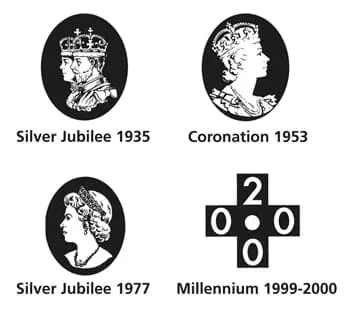
אותנטיות וערך של סימני היכר.
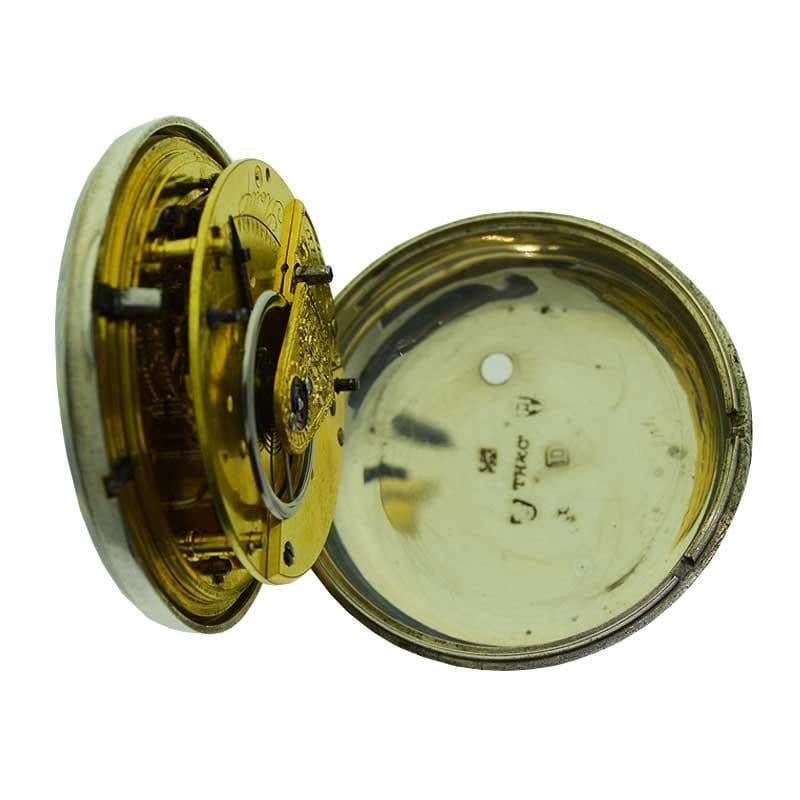
לסימני היכר תפקיד מכריע בקביעת האותנטיות והערך של שעוני כיס עתיקים מכסף. סימנים קטנים אלה, הנמצאים בדרך כלל בחלק הפנימי של מארז השעון, מספקים מידע חשוב על מקור, איכות והרכב הכסף בו נעשה שימוש. על ידי בחינת הסימנים, אספנים ומומחים יכולים לזהות את היצרן של השעון, כמו גם את תאריך ומיקום יצירתו. מידע זה חיוני בהערכת המשמעות והערך ההיסטוריים של השעון. יתר על כן, סימני היכר יכולים גם להצביע על טוהר הכסף, שלעתים קרובות מסומן בחותמת מספרית כמו "925" לכסף סטרלינג. זה לא רק מאשר את תכולת המתכת היקרה אלא גם מוסיף לנחשקות ולערך של השעון בקרב אספנים וחובבים. לפיכך, האותנטיות והערך של הסימנים על שעוני כיס עתיקים מכסף הם בעלי חשיבות עליונה בהערכה מדויקת של פריטי אומנות נצחיים אלה.
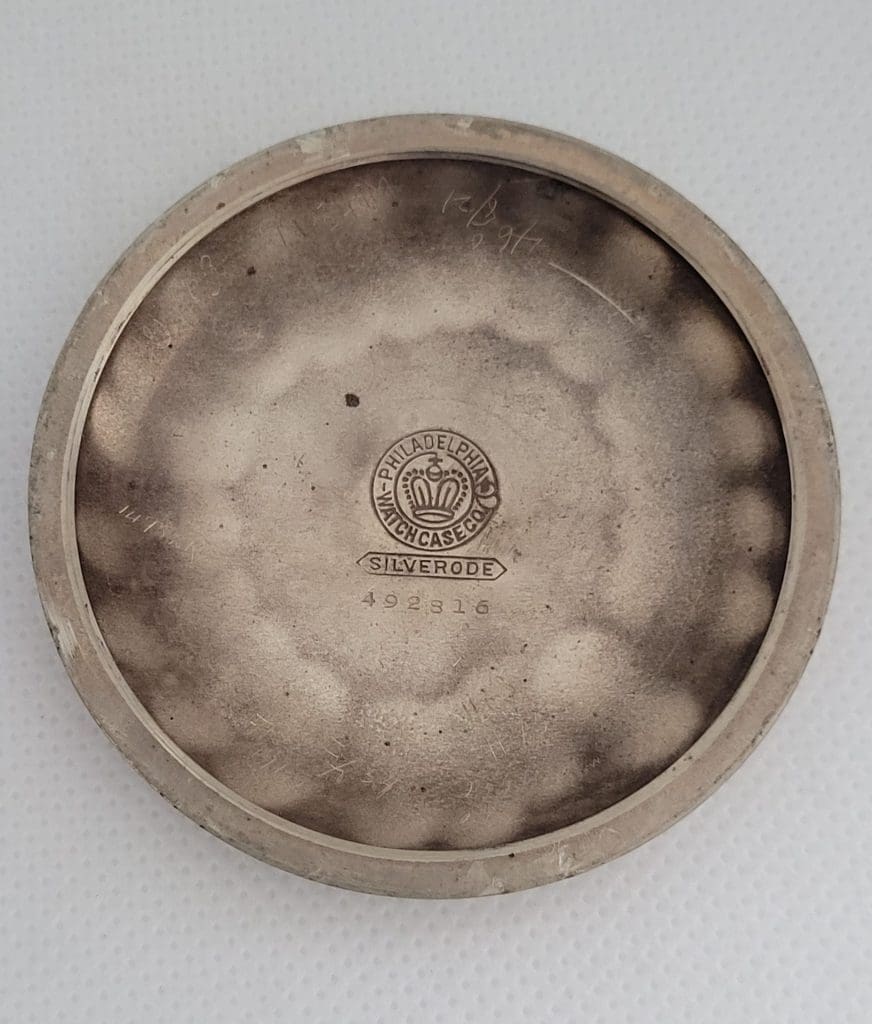
חקר מקורותיהם של סימני ההיכר.
מקורות הסימנים ניתן לייחס לימי הביניים, כאשר מלאכת הצורפות החלה לפרוח. ככל שהמסחר והמסחר התרחבו ברחבי אירופה, התעורר הצורך לקבוע סטנדרטים של איכות ואותנטיות לפריטי כסף. דבר זה הוביל לפיתוח גילדות ויישום מערכות סימון כדי להבטיח שחפצי כסף יעמדו בסטנדרטים מסוימים. הסימנים המוקדמים ביותר כללו סמלים או ראשי תיבות פשוטים, שלעתים קרובות ייצגו את הצורף או את הסדנה שלו. עם הזמן, סימנים אלה התפתחו לצורות מורכבות וסטנדרטיות יותר, תוך שילוב מידע נוסף כגון אותיות תאריך וסימני עיר. הקמת מערכות סימון על ידי מדינות ואזורים שונים תרמה עוד יותר לעקביות ולאמינות של סימנים אלה. כיום, חקר הסימנים על שעוני כיס עתיקים מכסף מספק הצצה להיסטוריה העשירה של צורפות ומשמש כעדות לאומנות ולכישרון של אלו שיצרו שעונים מעודנים אלה.
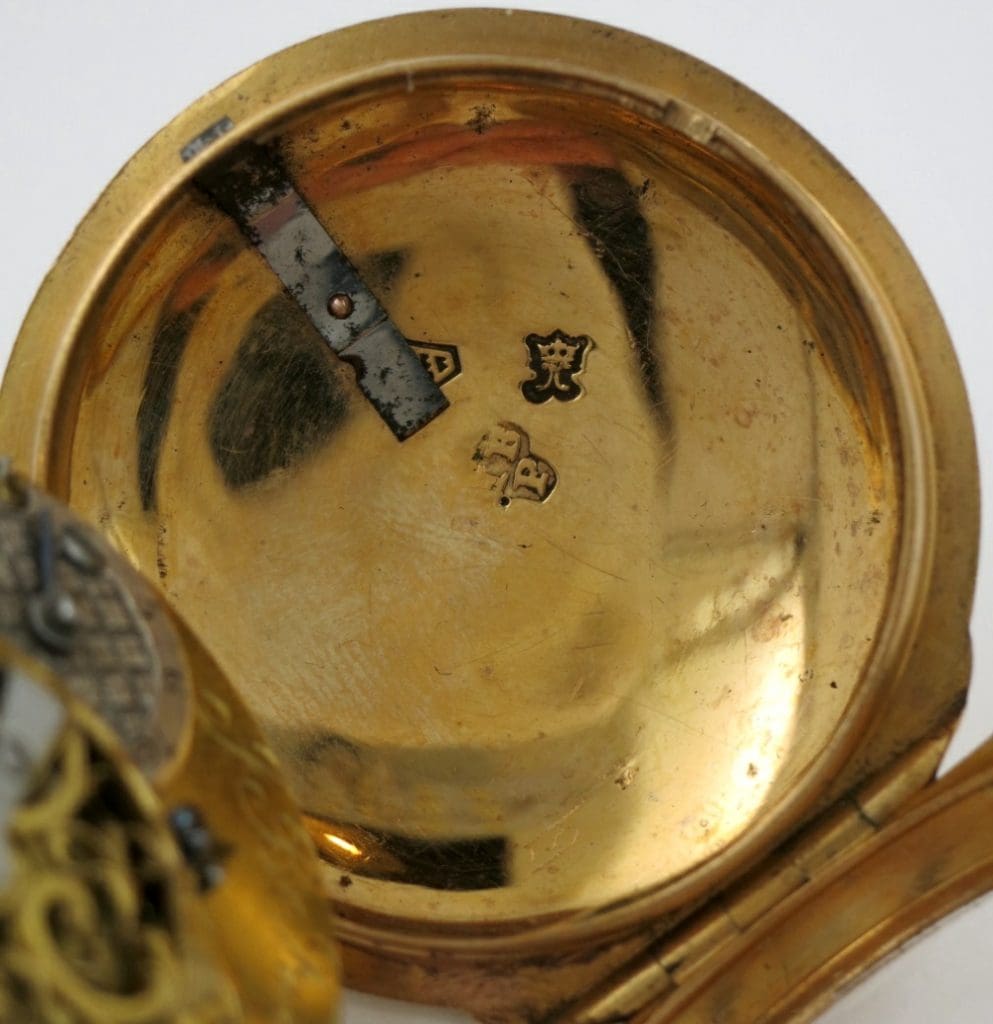
שימור שעוני כסף עתיקים.
כשמדובר בשימור שעוני כסף עתיקים, טיפול ותחזוקה נאותים חיוניים להבטחת אורך החיים והיופי שלהם. אחד הצעדים החשובים ביותר בשימור שעונים אלה הוא ניקוי קבוע. בעזרת מטלית רכה ולא שוחקת, נגבו בעדינות כל הצטברות לכלוך או אבק. הימנעו משימוש בכימיקלים חזקים או בחומרים שוחקים שעלולים לפגוע בכסף או להסיר כל פטינה שעשויה להתפתח עם הזמן. בנוסף, אחסון שעוני כסף עתיקים במקום קריר ויבש יכול לסייע במניעת כתמים. מומלץ לשמור אותם בשקית עמידה בפני כתמים או בקופסה מרופדת כדי להגן עליהם מחשיפה לאוויר וללחות. לבסוף, טיפול בשעוני כסף עתיקים בידיים נקיות ויבשות והימנעות מחשיפה מוגזמת לאור שמש או לטמפרטורות קיצוניות יסייעו בשימור המנגנונים העדינים והעיצובים המורכבים שלהם. על ידי ביצוע שיטות שימור אלה, שעוני כסף עתיקים יכולים להפוך למורשת יקרה שתמשיך לרתק לדורות הבאים.
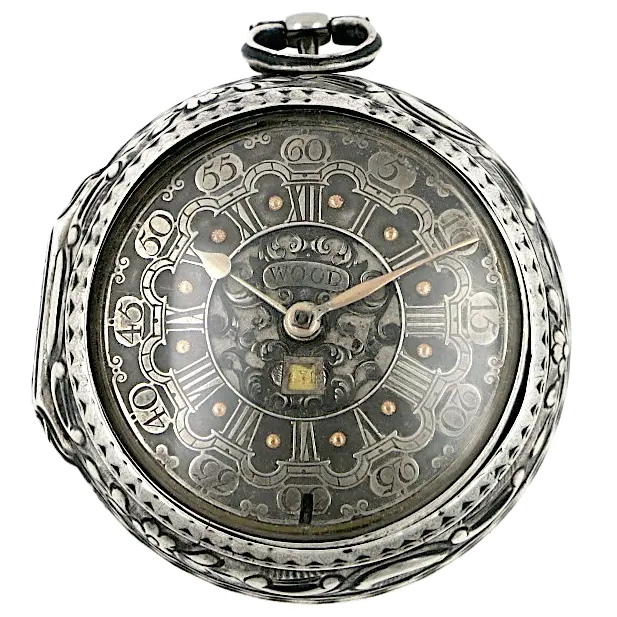
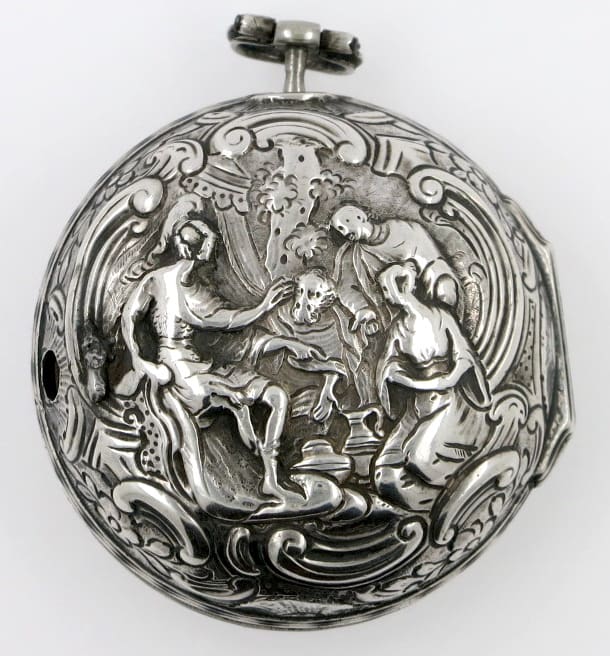
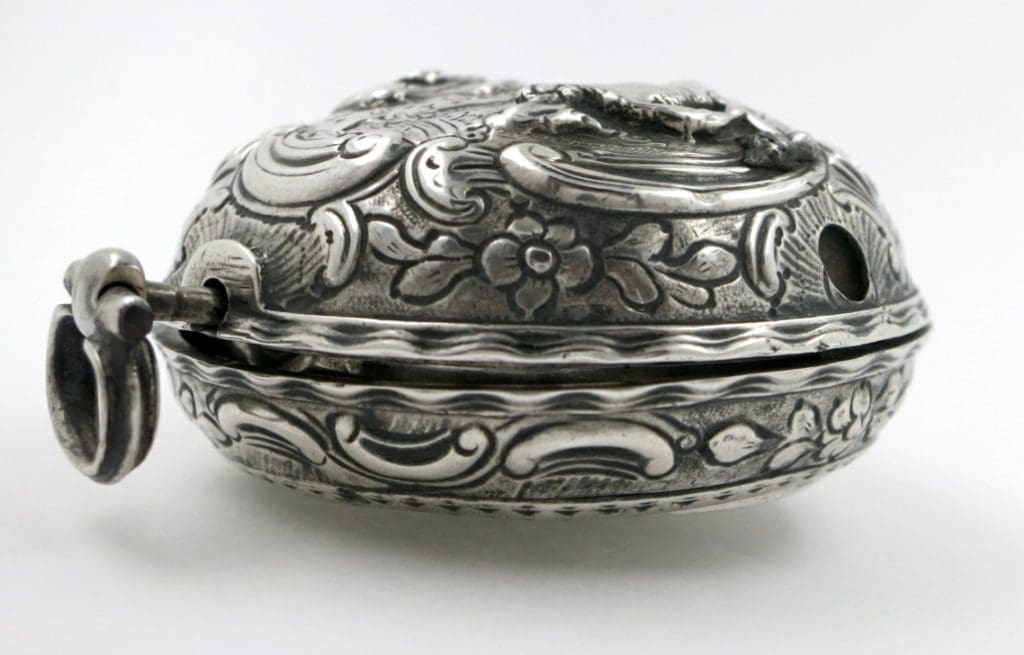
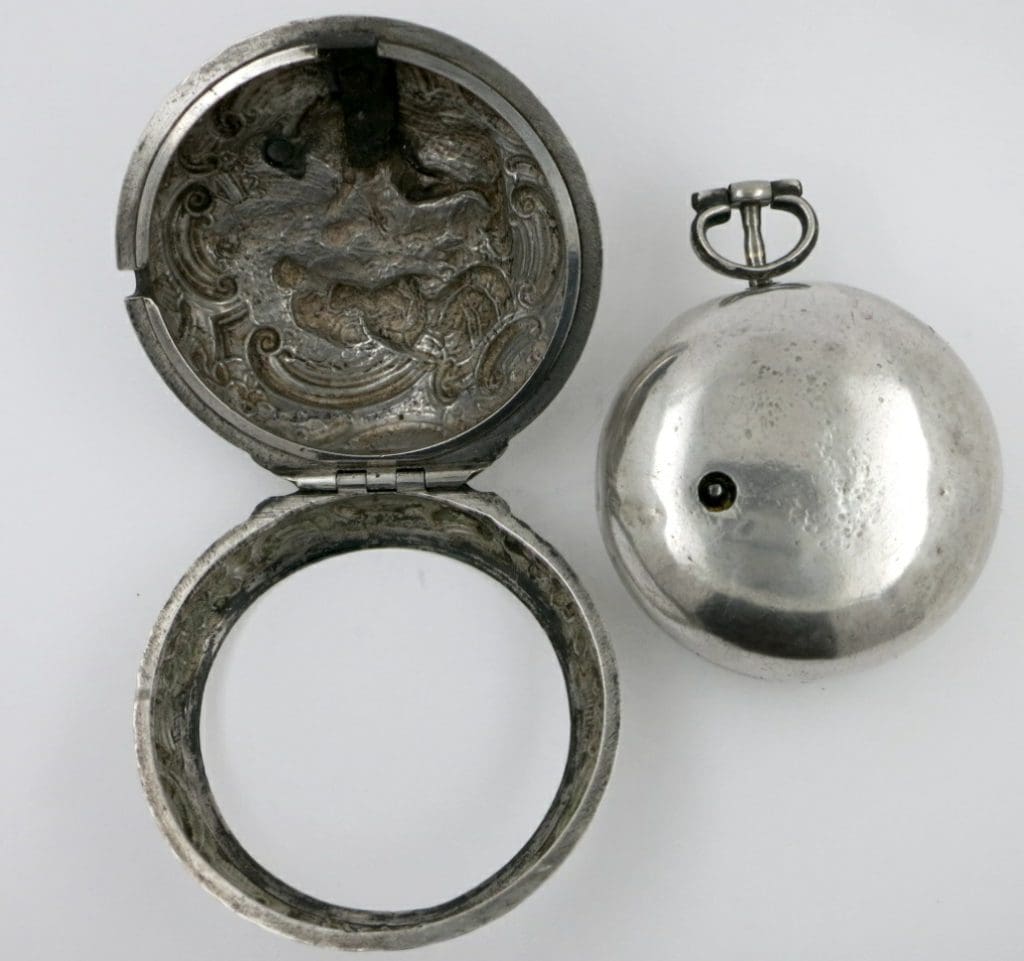
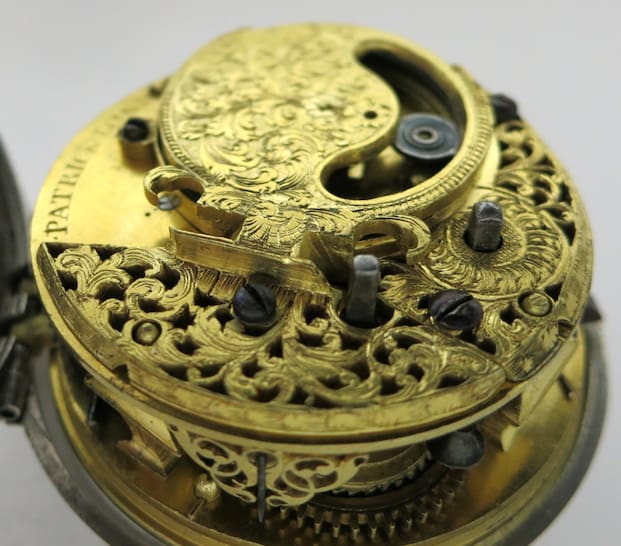
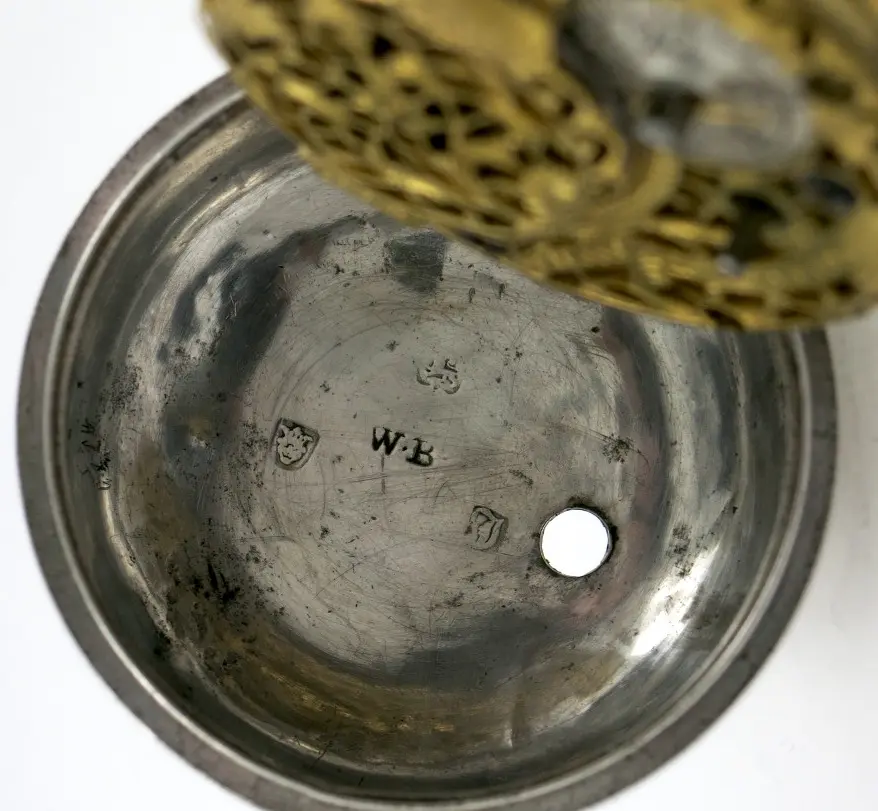
סימני היכר כסימן איכות.
סימני היכר משמשים ככלי רב ערך לאספנים וחובבים, שכן הם מספקים תובנות חשובות לגבי האותנטיות והאיכות של שעוני כיס עתיקים מכסף. סימנים קטנים אלה, הנמצאים בדרך כלל על המארז הפנימי או על המנגנון של שעון, מסמלים את המקור, התאריך וההרכב של הכסף בו נעשה שימוש. הם משמשים כחותמת אישור, ומבטיחים לקונים שהם רוכשים פריט מקורי ואיכותי. יתר על כן, סימני היכר יכולים גם לחשוף מידע על היצרן, מה שמאפשר לאספנים לזהות אומנים ידועים ויצרנים יוקרתיים. נוכחותם של סימני היכר לא רק משפרת את המשמעות ההיסטורית של שעוני כיס עתיקים מכסף, אלא גם מוסיפה לערכם ולנחשקותם בשוק. לכן, הבנה והערכה של משמעות הסימנים חיוניים לכל מי שמתעניין בעולם השעון העתיקי.
הגנה מפני זיופים והונאות.
בנוסף לערכם ההיסטורי והאסתטי, שעוני כיס עתיקים מכסף מציבים אתגר ייחודי גם בכל הנוגע להגנה מפני זיופים והונאות. עם הפופולריות הגוברת של שעונים אלה, אנשים חסרי מצפון ניסו לחקות סימני היכר ולהציג שעונים מזויפים כעתיקות אמיתיות. זה לא רק מטעה אספנים אלא גם פוגע בשלמות השוק. כדי להילחם בבעיה זו, חיוני שאספנים וקונים יחנכו את עצמם לגבי סימני היכר אותנטיים ומאפיינים של שעוני כיס עתיקים מכסף אמיתי. זה כולל לימוד המורכבויות של סימני היכר שונים, הבנת ההקשר ההיסטורי בו הם שימשו, והתייעצות עם מומחים בעלי מוניטין או שמאים מקצועיים. בנוסף, ביצוע מחקר מעמיק וקבלת תעודות אותנטיות יכולים לספק שכבת הגנה נוספת מפני זיופים והונאות. על ידי ערנות ובקיאות, אספנים יכולים להגן על השקעותיהם ולשמר את שלמות שוק שעוני הכיס העתיקים מכסף.
הערכת האומנות של סימני ההיכר.
אי אפשר להתעלם מחשיבות ההערכה לאומנות של הסימנים המסחריים על שעוני כיס עתיקים מכסף. הסימנים המורכבים הללו, החרוטים או המוטבעים על גוף השעון, משמשים עדות לאומנים המיומנים שעיצבו בקפידה את השעונים הללו. כל סימן מספר סיפור, המייצג את הסגנון הייחודי של הצורף, את התקופה בה הוא נוצר ואת איכות המתכת היקרה בה נעשה שימוש. החל מהחריטות העדינות ועד לחותמות המדויקות, הסימנים מציגים את תשומת הלב לפרטים והמומחיות של אומני העבר. באמצעות הבנה והערכה של הסימנים הללו ניתן באמת לזהות ולהעריץ את האמנות והמורשת שמאחורי שעוני כיס עתיקים אלה מכסף.
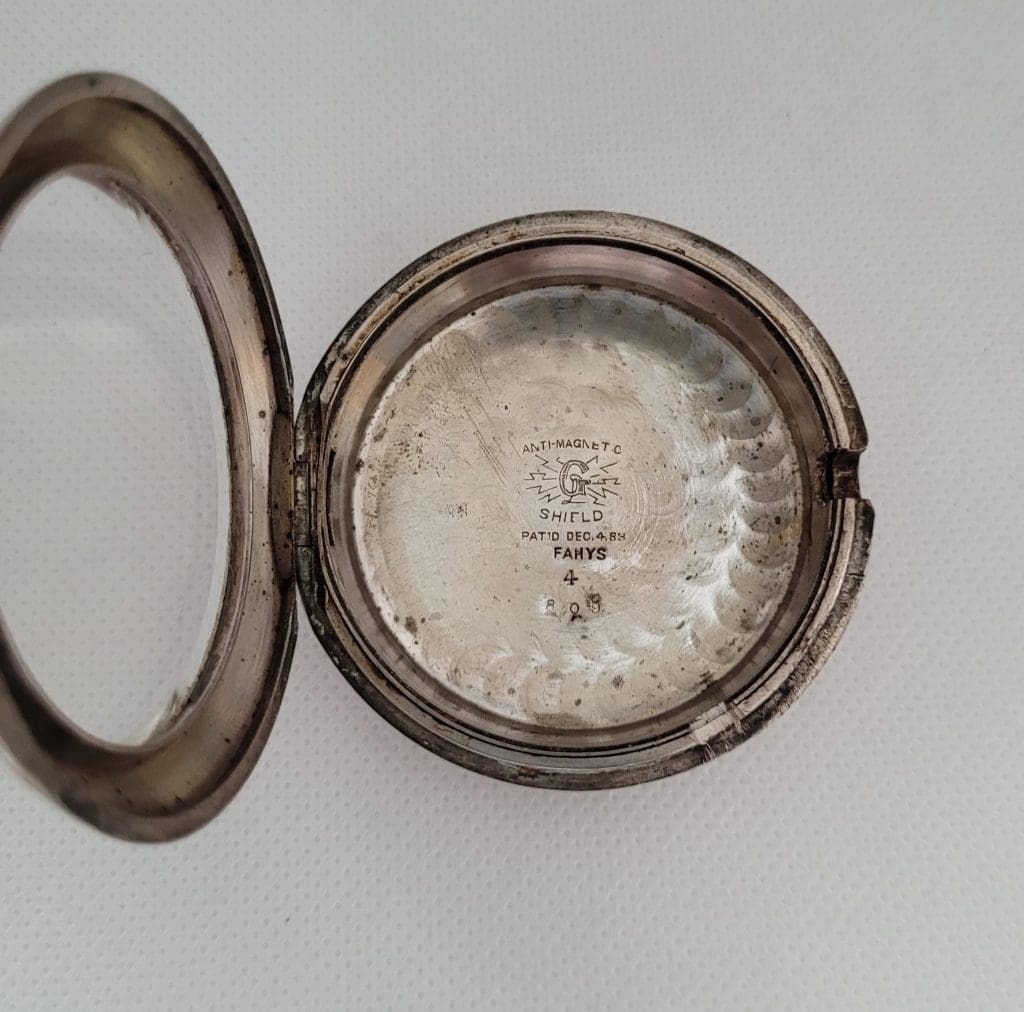
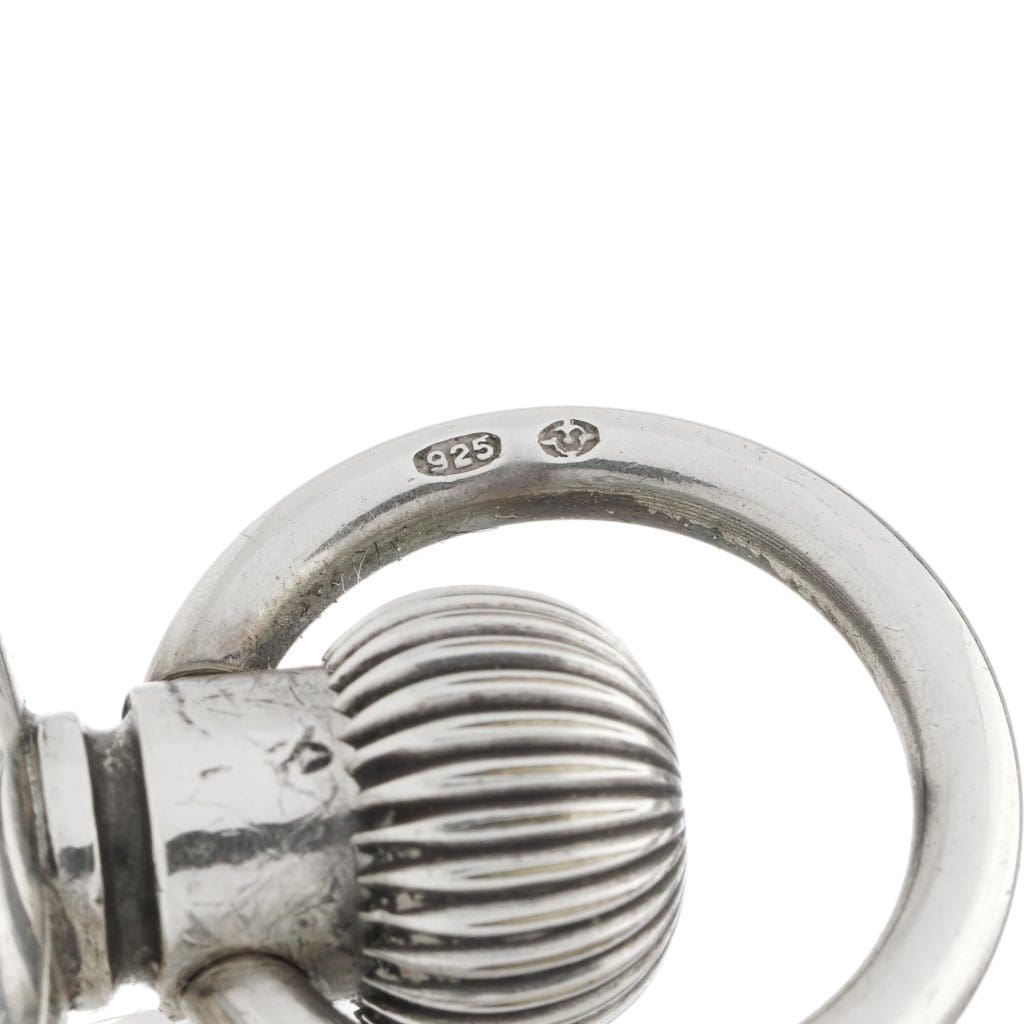
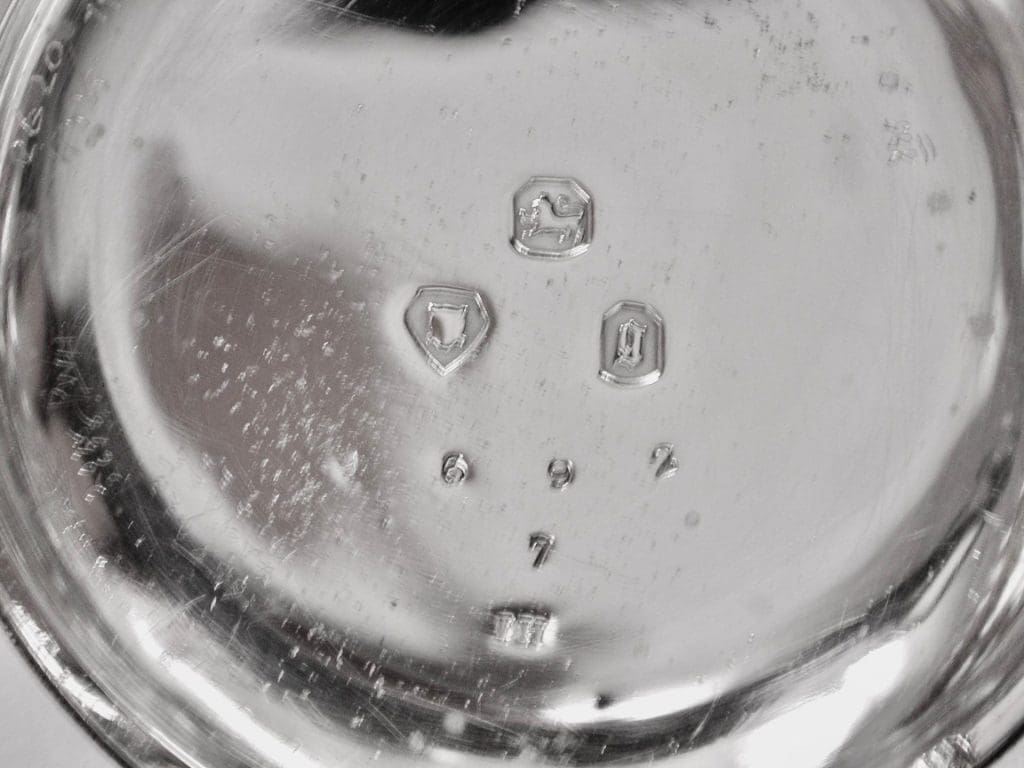
לסיכום, הכללת סימני היכר על שעוני כיס עתיקים מכסף נושאת משמעות רבה עבור אספנים והיסטוריונים כאחד. סימנים אלה מספקים מידע חשוב על מקורו, איכותו וגילו של שעון, ומאפשרים הבנה והערכה עמוקות יותר של ההיסטוריה שלו. ככל שהביקוש לשעוני כיס עתיקים מכסף ממשיך לגדול, חשיבות השימור וההבנה של סימני היכר אלה הופכת קריטית עוד יותר. על ידי זיהוי ולימוד של סימנים אלה, נוכל להשיג הבנה עמוקה יותר של העבר והאומנות שהושקעה ביצירת שעונים יפהפיים אלה.
שאלות נפוצות
כיצד סימני היכר על שעוני כיס עתיקים מכסף עוזרים לקבוע את האותנטיות והערך של השעון?
סימני היכר על שעוני כיס עתיקים מכסף עוזרים לקבוע את האותנטיות והערך על ידי מתן מידע על היצרן, המקור ותאריך הייצור. סימנים אלה הם כמו חתימה המאמתת את האותנטיות של הפריט ויכולים להצביע על איכותו ואמנותו של השעון. אספנים ומומחים משתמשים בסימני היכר אלה כדי לעקוב אחר ההיסטוריה של השעון, לזהות פריטים נדירים או במהדורה מוגבלת ולהעריך את הערך הכולל על סמך המוניטין של היצרן והמשמעות ההיסטורית של השעון.
איזו משמעות היסטורית יש לסימני היכר על שעוני כיס עתיקים מכסף מבחינת אומנות ואיכות?
לסימני ההיכר על שעוני כיס עתיקים מכסף יש חשיבות היסטורית משמעותית, שכן הם משמשים כאינדיקטורים לאומנות, איכות ואותנטיות. סימנים אלה, שבדרך כלל מוטבעים על ידי משרדי בדיקה, מספקים מידע חשוב על תכולת המתכת, מקום המקור, היצרן ותאריך הייצור של השעון. מערכת סימני ההיכר הזו הבטיחה שהצרכנים יוכלו לסמוך על איכות וערך הכסף המשמש בשעונים. על ידי בחינת סימני ההיכר הללו, אספנים וחובבים יכולים לקבל תובנות לגבי אומנות השעון וההקשר ההיסטורי של השעון, מה שהופך אותם לחיוניים להבנת המורשת והמקור של שעוני כיס עתיקים מכסף.
כיצד השפיעו שינויים בנהלי סימון ההיכר לאורך זמן על איסוף והערכה של שעוני כיס עתיקים מכסף?
שינויים בשיטות סימון הימנים לאורך זמן השפיעו באופן משמעותי על איסוף והערכה של שעוני כיס עתיקים מכסף. סימני הימנים משמשים כאינדיקטורים חשובים לאותנטיות, איכות ומקור, ומשפיעים על העניין של אספנים ועל הערך הנתפס של שעונים אלה. שינויים בתקני סימון הימנים, סמלים או מיקומים יכולים להשפיע על הנדירות והנחשקות של פריטים ספציפיים, ובסופו של דבר לעצב את מגמות השוק והתמחור בתעשיית שעוני הכיס העתיקים מכסף. הסתגלות לשינויים אלה היא קריטית עבור אספנים ומעריכים כדי להעריך במדויק את המשמעות ההיסטורית והערך של אוצרות נצחיים אלה.
איזה תפקיד ממלאים סימני היכר בזיהוי ארץ המוצא ותאריך הייצור של שעוני כיס עתיקים מכסף?
לסימני היכר תפקיד מכריע בזיהוי ארץ המוצא ותאריך הייצור של שעוני כיס עתיקים מכסף. סמלים אלה המוטבעים על השעון מספקים תובנות לגבי היצרן, המיקום ושנת הייצור, ועוזרים לאספנים ולהיסטוריונים לקבוע את האותנטיות והמשמעות ההיסטורית של השעון. על ידי פענוח סימני היכר אלה, אנשים יכולים להתחקות אחר מקורות השעון ולהבין טוב יותר את ההקשר ההיסטורי שלו בעולם השעונים.
כיצד יכולים אספנים וחובבים ללמוד על פרשנות והבנה של הסימנים השונים הנמצאים על שעוני כיס עתיקים מכסף?
אספנים וחובבים יכולים ללמוד על פירוש והבנה של הסימנים השונים המצויים על שעוני כיס עתיקים מכסף על ידי מחקר משאבים מקוונים, הצטרפות לפורומים או קבוצות ייעודיים, השתתפות בסדנאות או סמינרים, התייעצות עם אספנים או שמאים מנוסים, ולימוד ספרים או מדריכים המוקדשים לזיהוי סימני כסף עתיקים. חיוני להכיר את הסמלים והקודים המשמשים בתקופות זמן ואזורים שונים כדי לתארך ולהעריך במדויק שעוני כיס מכסף. יצירת קשרים עם מומחים ושיתוף ידע עם חובבים אחרים יכולים גם הם לשפר את ההבנה וההערכה של חפצים היסטוריים אלה.