

Navigational timepieces have played a crucial role in maritime history, aiding sailors in their journeys across the vast seas. These timepieces, specifically designed for use on ships, were essential tools for navigation and timekeeping. Among the many types of navigational timepieces, marine and deck pocket watches were highly sought after for their accuracy and durability. In this article, we will explore the intricacies of these timepieces and their significance in the maritime world. We will delve into their history, construction, and usage, shedding light on their evolution and the advancements that have made them invaluable instruments for sailors. From the early days of sailing to modern times, navigational timepieces have been a constant companion for seafarers, providing them with the vital information needed for safe and successful voyages. Join us as we embark on a journey to uncover the fascinating world of navigational timepieces, specifically focusing on marine and deck pocket watches and their impact on seafaring navigation.

History of marine timekeeping instruments.
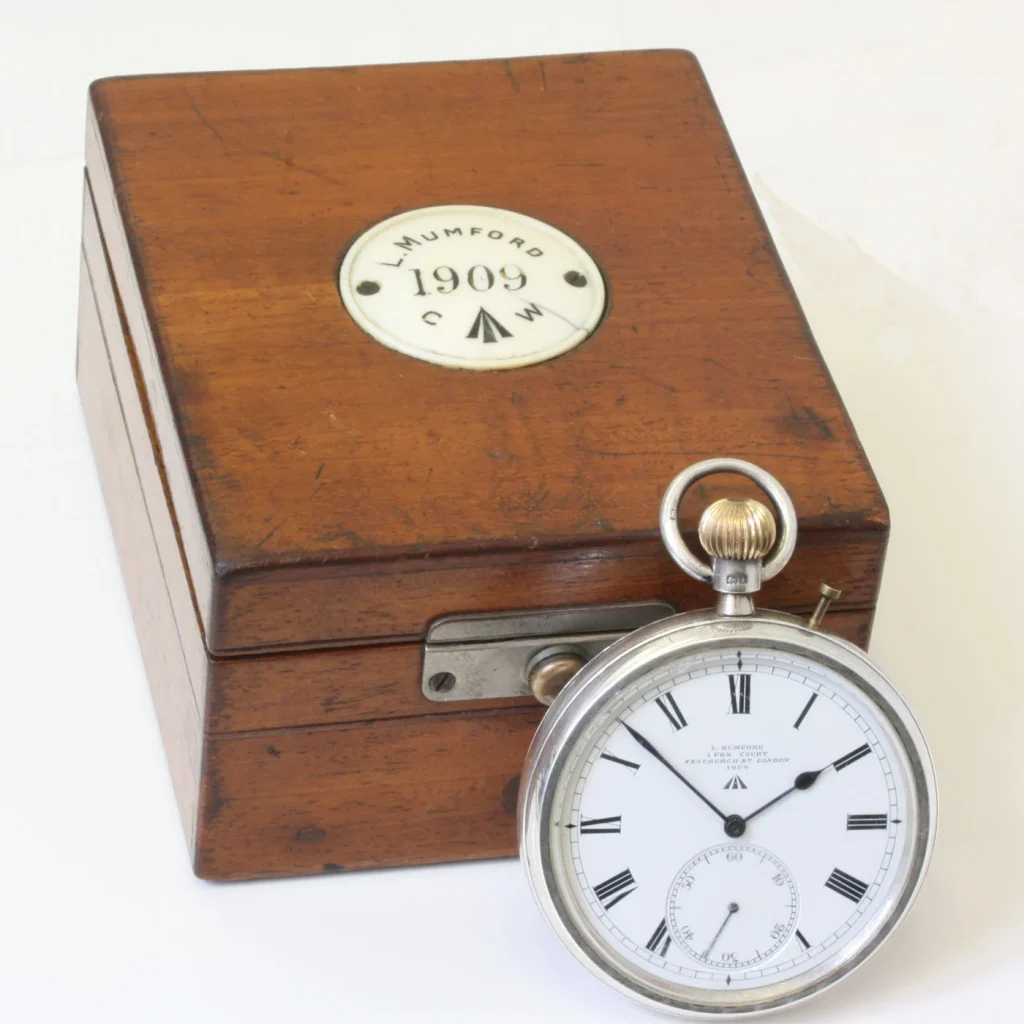
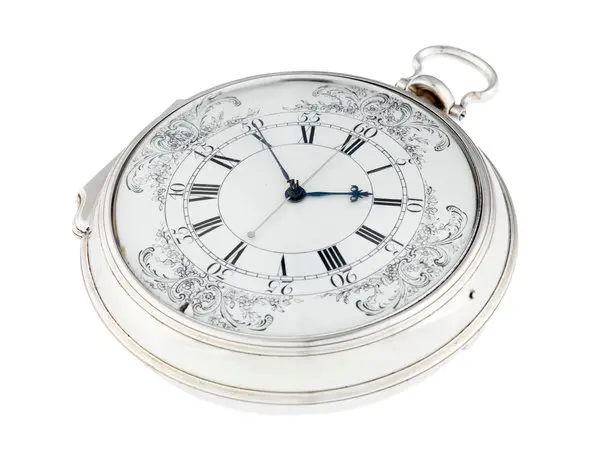
Marine timekeeping instruments have played a crucial role in maritime navigation for centuries. One significant milestone in their development was the invention of the marine chronometer by John Harrison in the 18th century. Prior to this breakthrough, sailors relied on less accurate instruments such as hourglasses and sundials to determine their position at sea. The marine chronometer revolutionized navigation by providing a reliable method to measure longitude accurately, ensuring accurate charting and safe voyages. Over time, advancements in technology led to the creation of more sophisticated timekeeping instruments, such as deck pocket watches, which were specifically designed for use on ships. These watches were built to withstand the harsh conditions of the sea, with features like robust cases and waterproofing mechanisms. Today, the evolution of marine timekeeping instruments continues, with modern technologies like GPS and atomic clocks further enhancing accuracy and reliability in navigation.
Evolution of pocket watches at sea.
Throughout the history of maritime navigation, the evolution of pocket watches at sea has played a significant role in ensuring accurate timekeeping and reliable maritime travel. As sailors ventured further into unknown waters, the need for precise timekeeping instruments became increasingly essential. Pocket watches designed for use at sea underwent continuous development, incorporating advancements in technology and engineering to withstand the demanding conditions of maritime environments. These watches were equipped with features such as rugged cases, shock resistance, and water resistance to withstand the harsh elements encountered during voyages. The evolution of pocket watches at sea reflects the determination of sailors and watchmakers alike to improve navigational accuracy and enhance the safety of maritime journeys. From the early marine chronometers to the innovative deck pocket watches of the past, the evolution of these timepieces has had a significant impact on maritime navigation, contributing to the exploration and discovery of new lands.

Accuracy and reliability on board.
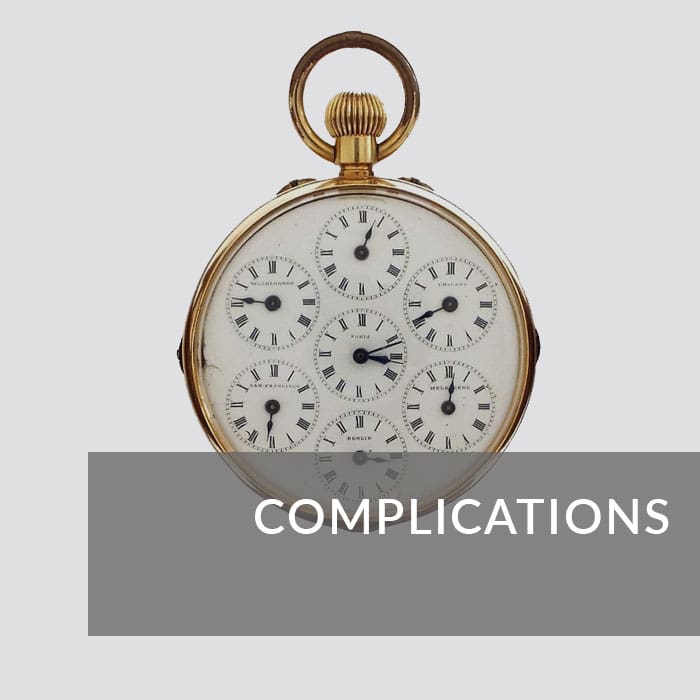
Ensuring accuracy and reliability on board is of utmost importance when it comes to navigational timepieces, specifically marine and deck pocket watches. These timepieces are meticulously crafted to withstand the rigorous conditions encountered at sea, providing sailors and navigators with trustworthy and precise timekeeping. With features such as robust construction, shock resistance, and water resistance, these watches are designed to endure the challenges posed by saltwater, extreme temperatures, and constant movement. By utilizing advanced mechanisms and high-quality materials, navigational pocket watches offer the reassurance of accurate timekeeping essential for safe and efficient navigation. Mariners have relied on the unwavering precision of these timepieces, considering them indispensable tools in their maritime journeys.
Features of a marine chronometer.
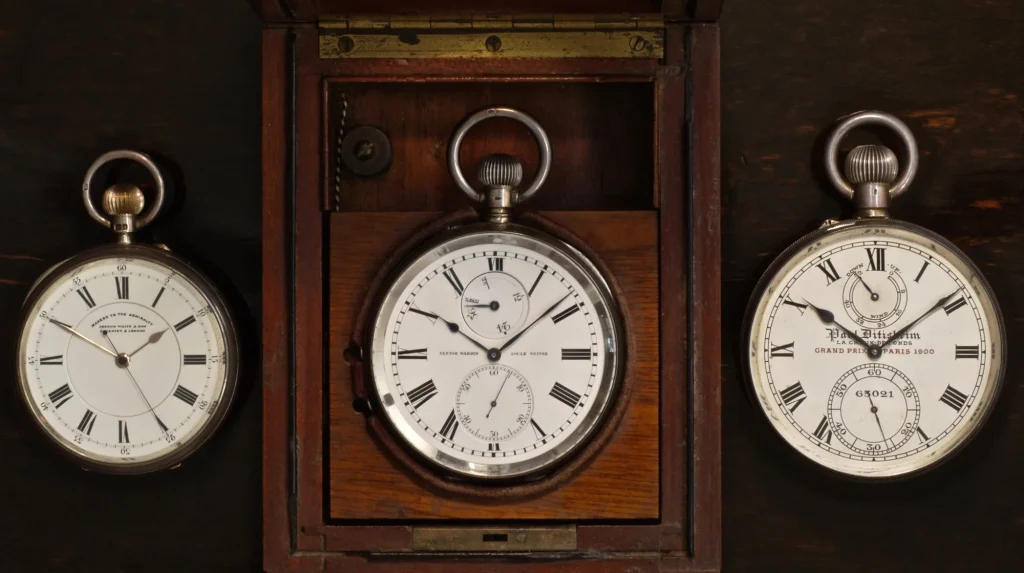
Navigational timepieces, specifically marine chronometers, boast an array of impressive features that make them essential instruments for maritime navigation. These chronometers are renowned for their exceptional accuracy, often attaining a level of precision within a few seconds per day. This unparalleled precision is achieved through the implementation of a high-quality, highly stable mechanical movement, often equipped with a spring detent escapement. Additionally, marine chronometers typically feature multiple timekeeping dials, allowing navigators to monitor and regulate time accurately. To ensure optimal performance, these timepieces are often housed in sturdy, shock-resistant cases, protecting the delicate internal mechanisms from the harsh conditions encountered at sea. With their remarkable precision and durability, marine chronometers have long been revered as indispensable tools for safe and successful navigation on the open waters.

Role of pocket watches in navigation.
Pocket watches, although not as specialized as marine chronometers, have also played a significant role in navigation throughout history. These portable timepieces provided sailors and explorers with a reliable means of tracking time while on land or at sea. By synchronizing their pocket watches with a known reference time, such as the time at a specific port or the position of the sun, navigators could accurately determine their longitude and calculate their position. The compact nature of pocket watches made them convenient for sailors to carry, allowing for easy access to timekeeping regardless of their location. While not as precise as marine chronometers, pocket watches served as valuable aids in navigation, ensuring that sailors could navigate with confidence and accuracy.
Impact on maritime trade and exploration.
The development and use of navigational timepieces, such as marine and deck pocket watches, had a profound impact on maritime trade and exploration. These timepieces revolutionized navigation by providing sailors and explorers with a reliable method of accurately tracking time while at sea. With precise timekeeping, sailors could determine their longitude and calculate their position with greater accuracy, improving navigation and reducing the risk of getting lost or off course. This advancement in navigation technology opened up new trade routes, facilitated the exploration of new lands, and ultimately contributed to the expansion of global trade and the growth of empires. The introduction of navigational timepieces marked a significant milestone in maritime history, forever changing the way sailors and explorers navigated the vast oceans.

Maintenance and upkeep at sea.
Maintaining and upkeeping vessels at sea is a critical aspect of ensuring their seaworthiness and safe operation. The harsh marine environment, with its constant exposure to saltwater, humidity, and extreme weather conditions, poses unique challenges for ship maintenance. Regular inspections and maintenance activities are essential to identify and address any structural or mechanical issues before they escalate into major problems. This includes tasks such as hull cleaning and painting, corrosion control, engine maintenance, and electrical system checks. Additionally, safety equipment, such as lifeboats, fire suppression systems, and navigational instruments, must be regularly inspected and tested to ensure proper functioning. Properly trained and skilled crew members, together with comprehensive maintenance schedules and procedures, are crucial in ensuring that vessels remain in optimal condition to navigate the seas safely and efficiently.
Famous navigators and their timepieces.
Throughout history, famous navigators have relied on the accuracy and reliability of their timepieces to navigate uncharted waters and chart new territories. These skilled explorers, such as Christopher Columbus, Vasco da Gama, and Ferdinand Magellan, understood the importance of precise timekeeping in their daring expeditions. Their timepieces, often marine or deck pocket watches, were specifically designed to withstand the rigors of the sea, with features such as shock resistance, water resistance, and luminous dials for enhanced visibility in low-light conditions. These navigational timepieces served as indispensable tools for these courageous adventurers, enabling them to accurately calculate longitude, measure distances, and determine their position on the vast oceans. These timepieces were a testament to the ingenuity and craftsmanship of the era, and their legacy continues to inspire modern advancements in maritime navigation technology.
Modern advancements in timekeeping technology.
In the ever-evolving world of timekeeping technology, modern advancements have revolutionized the way we measure and keep track of time. From the traditional mechanical watches to the advent of quartz watches, technological innovations have enhanced accuracy and precision to unprecedented levels. The introduction of atomic clocks, utilizing the vibrational frequency of atoms, has provided an unparalleled level of accuracy, with some devices boasting an error margin of only a few billionths of a second per day. Furthermore, the integration of GPS technology into timekeeping devices has allowed for synchronization with global satellite networks, ensuring precise timekeeping regardless of geographical location. These advancements in timekeeping technology have not only improved the accuracy of personal timepieces but have also paved the way for synchronized timekeeping across various industries, such as telecommunications, finance, and transportation. The marriage between traditional craftsmanship and modern technological advancements continues to push the boundaries of timekeeping, setting new standards for accuracy and reliability in the 21st century.
Collecting and preserving antique timepieces.
As time marches forward, there is a captivating allure in looking back to the origins of timekeeping. Collecting and preserving antique timepieces allows us to appreciate the craftsmanship and ingenuity of past generations. These exquisite artifacts serve as a testament to the rich history and evolution of horology. Each antique timepiece carries a unique story, from the intricate mechanical movements meticulously crafted by skilled artisans to the elegant designs that reflect the styles of their respective eras. By carefully preserving and maintaining these historical treasures, collectors not only safeguard a piece of our shared heritage but also provide future generations with a glimpse into the mastery of timekeeping that has shaped the modern world. Exploring the vast array of antique timepieces allows enthusiasts to delve into the artistry and technical advancements of the past, making it a gratifying pursuit for those with an appreciation for both history and horology.
In conclusion, the history and development of navigational timepieces, specifically marine and deck pocket watches, play an important role in the evolution of timekeeping and navigation. These precision instruments have stood the test of time and continue to be used in various industries today. Whether you are a collector, a sailor, or simply appreciate the craftsmanship and history behind these timepieces, the marine and deck pocket watch holds a significant place in horological advancements and will continue to do so in the future.
FAQ
What are the key features of a navigational timepiece specifically designed for marine use?
A navigational timepiece designed for marine use typically includes features such as water resistance, shock resistance, luminous dials for readability in low light conditions, a rotating bezel for tracking elapsed time, and precise timekeeping for accurate navigation at sea. It may also have additional functions like a chronograph, tide indicator, or moon phase display to aid sailors in their navigation tasks. Overall, these timepieces are built to withstand the harsh conditions of the ocean while providing accurate timekeeping and essential navigational information for mariners.
How do marine pocket watches differ from traditional wristwatches in terms of design and functionality?
Marine pocket watches typically have larger and more intricate designs compared to traditional wristwatches, often featuring engravings, ornate cases, and elaborate dials. Functionality-wise, marine pocket watches are manual wind timepieces that are typically more accurate due to their larger movements and longer power reserves. They also often include additional features such as chronographs, moon phase indicators, and power reserve indicators, making them more complex and versatile in terms of their functionality compared to traditional wristwatches.
What historical significance do navigational timepieces hold in maritime exploration and navigation?
Navigational timepieces, such as the marine chronometer, played a crucial role in maritime exploration and navigation by enabling sailors to accurately determine their longitude at sea. Before the invention of these timepieces, ships often struggled with getting lost or encountering navigational challenges due to the inability to accurately measure time and calculate their position. The development of accurate timepieces revolutionized long-distance sea travel, leading to increased exploration, trade, and colonization around the world. These instruments are considered a significant advancement in maritime history, shaping the way ships navigated the seas and contributing to the expansion of global exploration.
How accurate are marine pocket watches in determining longitude and latitude at sea?
Marine pocket watches were not specifically designed for determining longitude and latitude at sea. They were primarily used for keeping time and aiding in navigation alongside other instruments like sextants and nautical almanacs. While they could assist in calculating longitude by comparing local time with a reference time, they were not as accurate as more specialized tools like chronometers. Therefore, they were not relied upon solely for determining precise longitude and latitude coordinates at sea.
What are some modern advancements in navigational timepieces for marine use, and how do they improve upon traditional designs?
Modern advancements in navigational timepieces for marine use include the integration of GPS technology, atomic clocks for precise timekeeping, and enhanced durability and water resistance. These advancements improve upon traditional designs by offering greater accuracy, reliability, and ease of use, allowing sailors to pinpoint their location with precision and navigate safely and efficiently even in challenging conditions. By combining traditional craftsmanship with cutting-edge technology, these navigational timepieces provide sailors with the tools they need to navigate the seas with confidence and accuracy.