

Pocket watches have been an integral part of timekeeping for centuries, serving as a symbol of elegance and precision. And behind the intricate movements of these timepieces lies a crucial component – the jewel bearings. These small, precious gemstones play a vital role in the accuracy and durability of pocket watch movements. From their initial use in clocks to the modern-day watches, jewel bearings have constantly evolved to meet the ever-changing demands of timekeeping. In this article, we will delve into the history of jewel bearings, their purpose, and their significance in watch movements. We will also explore the different types of jewel bearings used and the advancements made in their production. Furthermore, we will discuss the impact of jewel bearings on the reliability and longevity of pocket watches, highlighting their essential role in the functioning of these magnificent timepieces. Whether you are a watch enthusiast or simply curious about the inner workings of pocket watches, this article will provide a comprehensive understanding of the significant role played by jewel bearings in these timeless mechanical marvels.

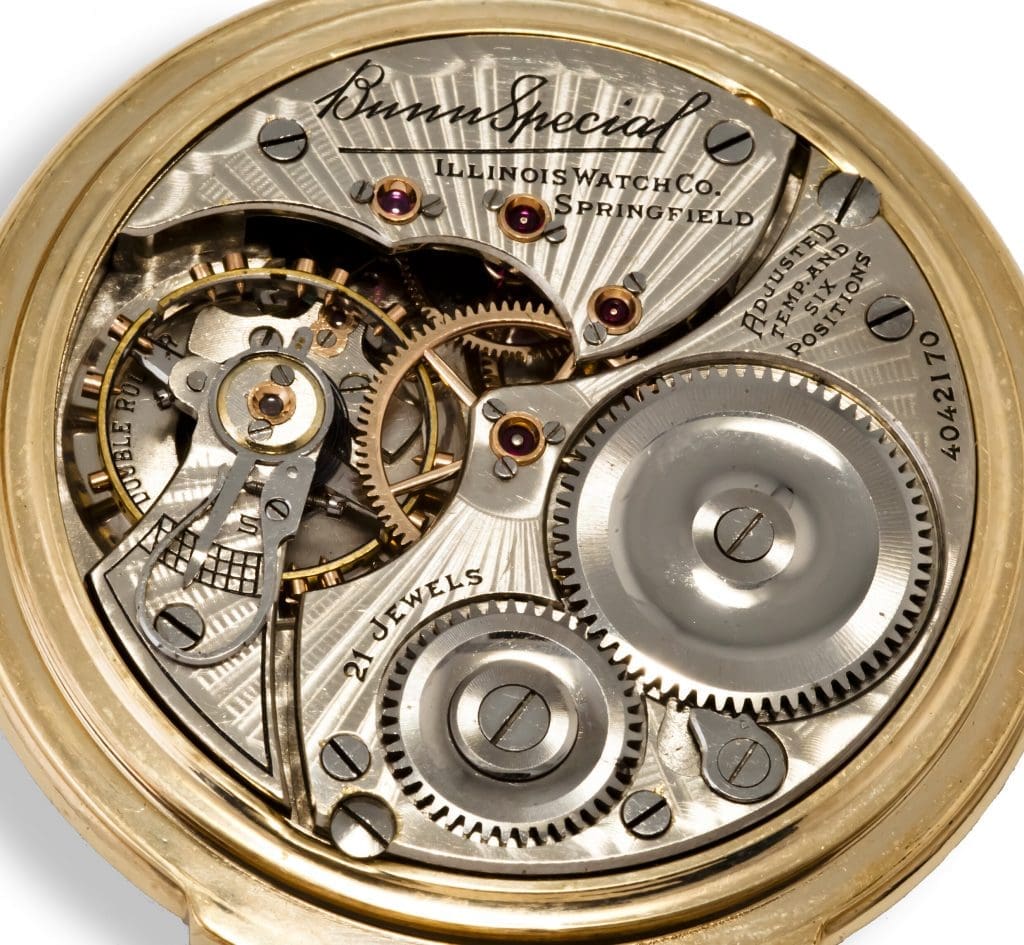
Precise and durable timekeeping solutions
Achieving accurate and reliable timekeeping has always been a crucial aspect of watchmaking. In order to ensure precision, watch movements require components that can withstand the test of time and provide smooth functionality. Jewel bearings, made from precious stones such as rubies or synthetic sapphire, play a critical role in enhancing the performance of pocket watch movements. These miniature gems, carefully set within the movement, minimize friction and wear, allowing for precise and durable timekeeping. By reducing the friction between moving parts, jewel bearings contribute to the longevity and accuracy of pocket watches, ensuring that they can withstand the rigors of daily use and maintain their precision for years to come.
Essential component in watchmaking industry
The incorporation of jewel bearings in pocket watch movements has become an essential component in the watchmaking industry. With their remarkable hardness, jewel bearings provide an unrivaled level of durability and stability to the intricate mechanisms of pocket watches. The seamless rotation and reduced friction offered by these precision-cut gemstones not only enhance the accuracy of timekeeping but also contribute to the overall longevity of the timepiece. Jewel bearings have revolutionized the watchmaking industry by elevating the craftsmanship and performance of pocket watches, making them a crucial element in ensuring the exceptional quality and reliability that watch enthusiasts seek.

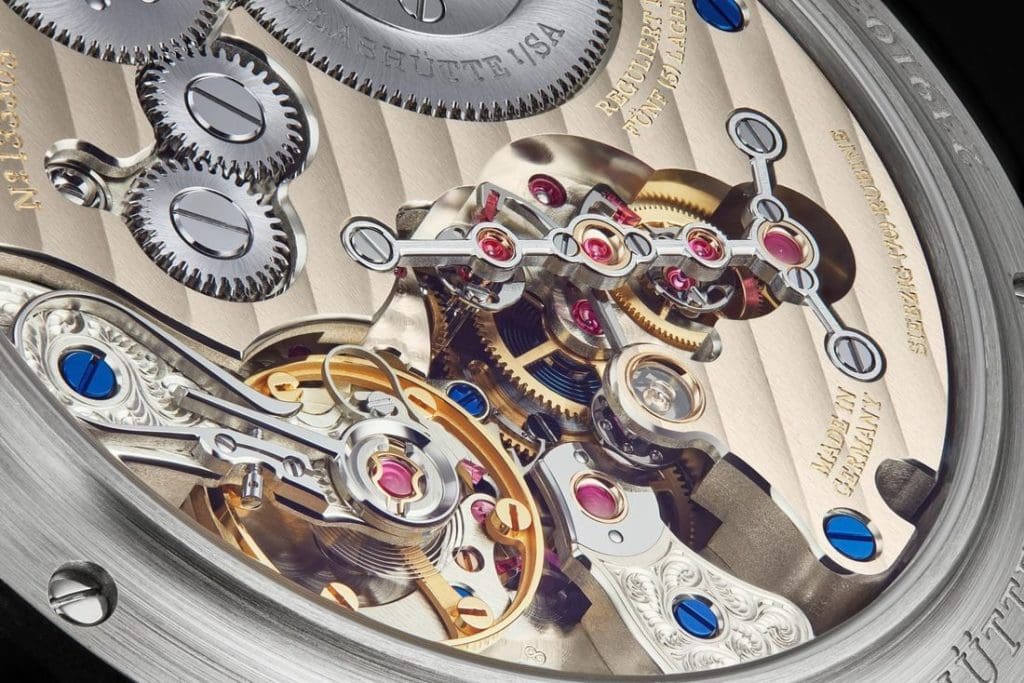
Facilitates smooth and accurate movements
The precision and functionality of a pocket watch are further amplified by the incorporation of jewel bearings within its movement. These small gemstone bearings, typically made from synthetic rubies or sapphires, serve a vital role in facilitating smooth and accurate movements. Placed strategically within the watch’s gears and pivots, jewel bearings reduce friction and wear, allowing for seamless rotation and precise timekeeping. The inherent hardness and smoothness of the gemstones ensure minimal resistance, resulting in enhanced efficiency and longevity of the watch’s movement. This meticulous integration of jewel bearings underscores the commitment to precision and craftsmanship exhibited by pocket watch manufacturers, elevating these timepieces to the pinnacle of horological engineering.

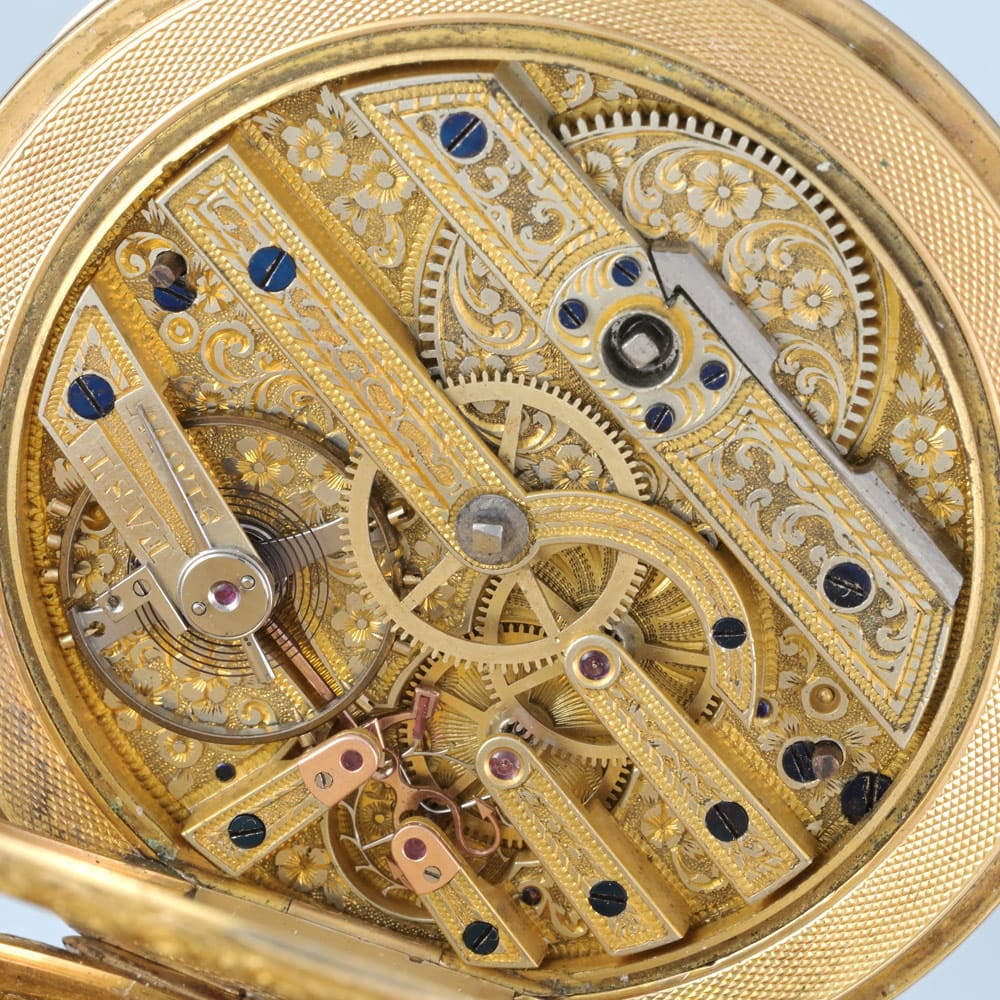
Commonly used in pocket watches
Pocket watches have long been treasured for their intricate mechanisms and timeless elegance. Central to the functioning of these timepieces are jewel bearings, which are commonly used in pocket watches to enhance their precision and durability. These small gemstone bearings, typically crafted from synthetic rubies or sapphires, play a crucial role in reducing friction and wear within the watch’s movement. By providing a smooth surface for the gears and pivots to rotate on, jewel bearings ensure seamless and accurate timekeeping. Their inclusion in pocket watches highlights the meticulous attention to detail and craftsmanship exhibited by watchmakers, ultimately contributing to the exceptional performance and longevity of these cherished timepieces.
Integral to mechanical timepieces
Mechanical timepieces, renowned for their intricate mechanisms and meticulous craftsmanship, rely heavily on the presence of jewel bearings. These small gemstone bearings, crafted from synthetic rubies or sapphires, serve as vital components within the movements of mechanical watches. Acting as tiny friction-reducing elements, jewel bearings provide a smooth surface for the gears and pivots to rotate on, significantly minimizing wear and tear. Their integral role in the functioning of mechanical timepieces ensures not only precise and accurate timekeeping but also enhances the overall durability and longevity of these esteemed horological creations. The meticulous inclusion of jewel bearings in pocket watch movements exemplifies the unwavering commitment to excellence exhibited by skilled watchmakers, ultimately enhancing the performance and reliability of these esteemed timepieces.

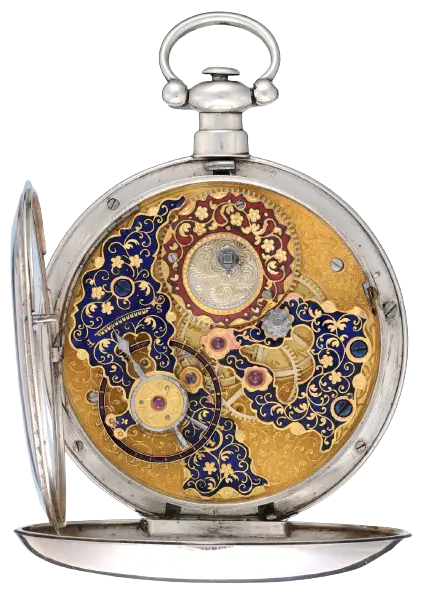
Less friction for longer lifespan
The incorporation of jewel bearings in pocket watch movements serves a crucial purpose beyond the precision and accuracy of timekeeping. By effectively reducing friction within the intricate mechanisms, these gemstone bearings play a pivotal role in extending the lifespan of these esteemed timepieces. The presence of jewel bearings creates a smooth and frictionless surface for the gears and pivots to interact with, minimizing the wear and tear that occurs over time. This reduction in friction not only enhances the overall performance and reliability of pocket watches but also ensures their longevity, allowing them to withstand the test of time and continue to function flawlessly for generations to come. The integration of jewel bearings exemplifies the meticulous attention to detail and commitment to quality exhibited by skilled watchmakers, guaranteeing that these horological masterpieces stand as lasting symbols of precision and craftsmanship.
In summary, jewel bearings play a crucial role in the smooth and accurate functioning of pocket watch movements. These small, yet powerful, gemstones provide stability, reduce friction, and increase durability in the delicate inner workings of a pocket watch. Without them, pocket watches would not have been able to achieve the precision and longevity that have made them a staple in horology for centuries. As we continue to admire and appreciate the intricate craftsmanship of pocket watches, let us also remember the important role that jewel bearings play in keeping them ticking.
FAQ
What is the purpose of jewel bearings in pocket watch movements?
The purpose of jewel bearings in pocket watch movements is to reduce friction and wear between the moving parts of the watch, ultimately improving its accuracy and longevity. Jewel bearings, typically made from synthetic sapphires or rubies, provide a smooth surface for the delicate components to pivot on, resulting in better timekeeping precision and durability over time.
How do jewel bearings improve the accuracy and durability of pocket watch movements?
Jewel bearings enhance the accuracy and durability of pocket watch movements by reducing friction and wear between moving parts. These bearings, typically made of synthetic sapphire or ruby, provide a smooth surface for components to rotate on, resulting in more precise timekeeping and prolonged lifespan of the watch. The hardness and low friction properties of jewel bearings contribute to reducing the maintenance requirements and increasing the overall reliability of the pocket watch movement.
How many jewel bearings are typically used in a high-quality pocket watch movement?
A high-quality pocket watch movement typically uses around 17 jewel bearings to reduce friction and increase durability in key areas such as the balance wheel, escape wheel, and pallet fork. These jewel bearings help improve the accuracy, longevity, and efficiency of the movement.
What materials are commonly used to make jewel bearings for pocket watches?
Jewel bearings for pocket watches are commonly made from synthetic sapphire or ruby due to their hardness and smoothness, which reduce friction and wear on the moving parts of the watch mechanism. These materials are preferred for their durability and precision in maintaining accurate timekeeping in pocket watches.
How does the placement of jewel bearings impact the overall performance of a pocket watch movement?
The placement of jewel bearings in a pocket watch movement impacts its performance by reducing friction and wear between moving parts, ensuring smoother operation and longevity. By providing stable support to critical components like gears and escapements, jewel bearings enhance accuracy, reduce maintenance requirements, and minimize the risk of damage due to friction. Properly positioned jewel bearings also contribute to the overall efficiency and durability of the movement, ultimately enhancing the timekeeping precision and reliability of the pocket watch.