Railroad Antique Pocket Watches

maxresdefault

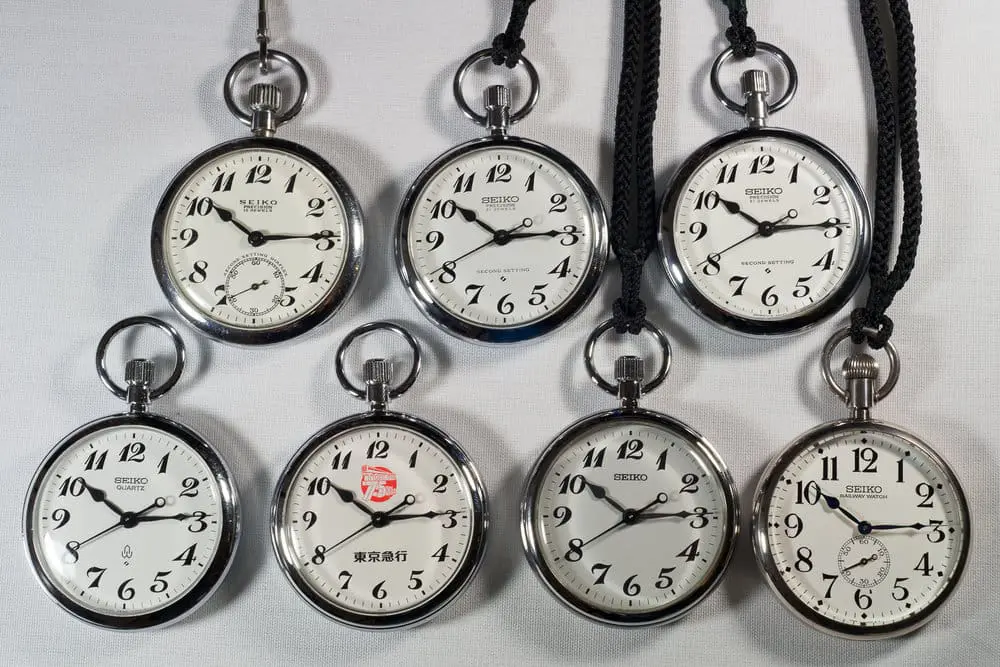
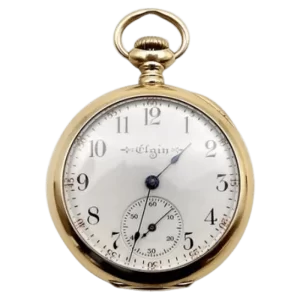
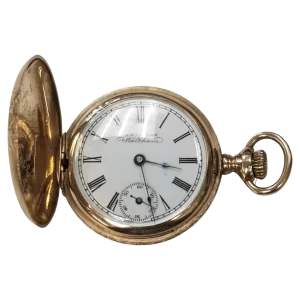
Railroad antique pocket watches represent a fascinating chapter in the history of American ‍watchmaking, embodying both ⁢technological innovation and historical significance. These timepieces were born out⁤ of necessity, as the railroads demanded unparalleled accuracy and reliability to ensure safety ⁤and ‍efficiency in ⁤train operations. The American‌ watchmakers rose to the challenge, creating watches that were‌ not ‌only precise but also durable enough to withstand‌ the rigors​ of constant use in varying conditions. By the early 20th century, these watches ⁢had⁤ achieved‌ remarkable standards, losing⁢ no more than 30 seconds ‌per week ‍and maintaining accuracy regardless of position or temperature. As the railroads’ standards‍ evolved ⁢between 1890 and 1910,⁢ the requirements for these watches became more stringent, leading to the production of both 18 and ​later 16 size watches that met these ⁣exacting criteria. By the 1930s, only size 16 watches with at least 19 jewels, lever set⁤ mechanisms, ⁢open faces, and ​adjustments for five positions, temperature, and ‍isochronism were approved for use. Despite these ⁤rigorous standards,⁣ not all ⁣watches‍ built ⁣to meet them were accepted by every railroad, as individual⁢ railroads often had their own ⁣lists of approved watches. This led to the intriguing situation where a watch‍ could be considered railroad “grade” but ⁤not necessarily railroad “approved,”‍ adding another layer of⁤ complexity‍ and interest for collectors and historians alike.


Many ⁢collectors feel that ‍American watchmaking reached its pinnacle ⁢with the invention ⁤of the railroad watch. ​In ⁣an effort to ⁣meet the ‍stringent and rigorous demands of ⁢the railroads, where‌ the incorrect time could and did prove disastrous, American watchmakers were⁤ called upon to make⁣ a watch that was incredibly reliable and incredibly accurate — far more ⁢so than any watch previously ‌being manufactured. ‍And they met the challenge! Following‍ years‍ of development, by the turn of the ‌20th century American watch⁢ factories were producing pocket ‍watches of unsurpassed quality.⁣ Watches that would lose no more than 30 seconds per week. Watches that⁤ were specially⁣ adjusted‍ to keep accurate time⁣ no matter what position in which ‌they‍ were held, and in ⁣both cold weather and hot. Watches⁣ where all the major wheels were jeweled in order to prevent wear from long‌ hours, days, years and decades of constant use.


The main ⁣requirement for a railroad watch was, of course, that it be accurate. Throughout the twenty⁣ years from 1890‍ to​ 1910, the⁢ various railroads’⁢ watch⁢ standards ‍evolved, ‌demanding ⁣more stringent adherence to safety and good timekeeping ⁣principles.‍ Although minor local differences remained, these standards ‍eventually⁣ became well enough established and⁤ accepted so ‍that watch companies could build, at reasonable cost, both 18 size, and later 16 size, watches‌ that would be accepted ⁤on any railroad. ‌The standards continued to evolve, and by the 1930’s, only size 16 watches were approved, and these watches had⁣ to also ⁤have at least 19 jewels, ⁢be lever set, open face ‌and adjusted to⁤ five positions, temperature and isochronism.⁣ Some railroads, however, continued ⁤to accept watches that were currently in use and which ⁢had previously been ‌approved under earlier standards.

20170716 001 Railroad Antique Pocket Watches : Watch Museum June 2024

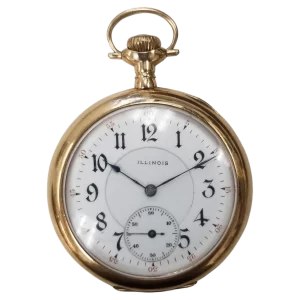
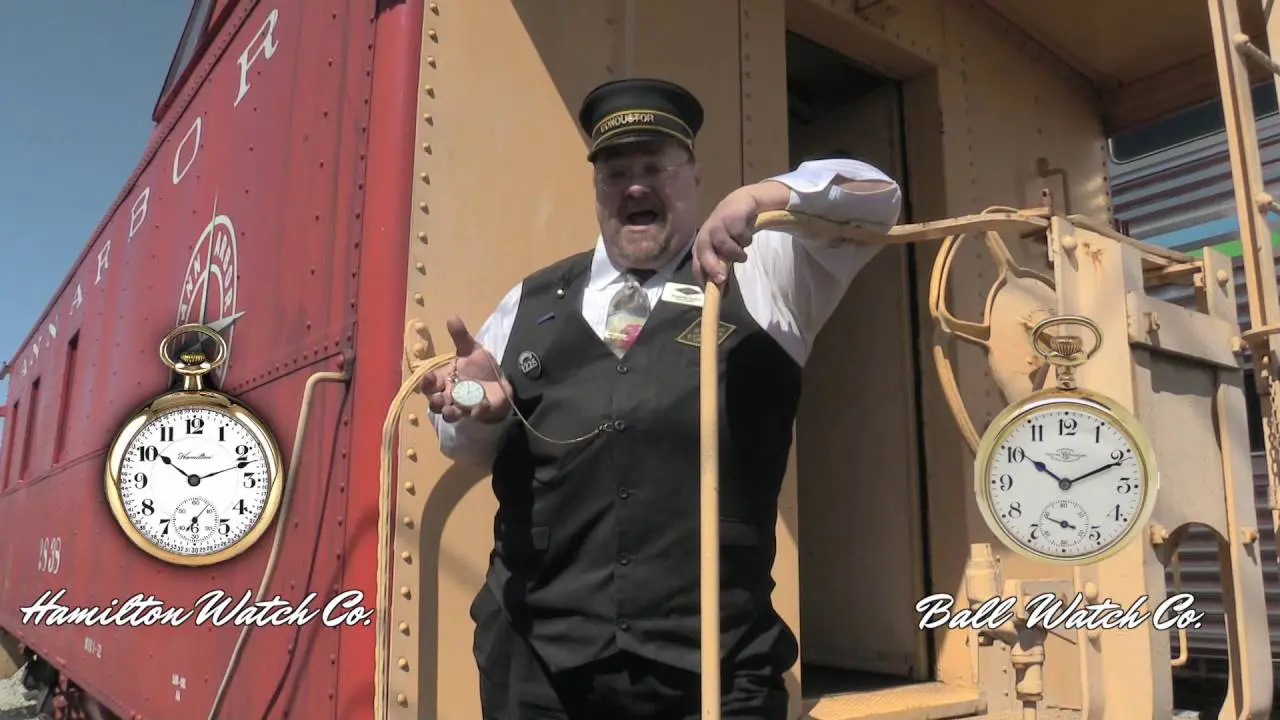
Remember, just because a watch has a picture of a locomotive on the dial or the case doesn’t mean it is actually a “railroad” watch. The same is true with watches that are just marked “railroad special” or the like. A true railroad grade watch MUST meet the specifications set out for railroad watches, and a true railroad approved watch MUST have been either listed by one or more railroads as approved for railroad service or else specifically accepted by a railroad inspector. Some of the more commonly found railroad grade and approved watches include the Hamilton “992,” the Illinois “Bunn Special” and the Waltham “Vanguard,” although there are quite a few more out there. If you are considering paying a lot for a “railroad” watch, though, just be sure you’re getting what you are paying for.

3.7/5 - (9 votes)

Recommended for You…

The Rarity and Desirability of Complicated Pocket Watches

When we think of practical timepieces, the image of a sleek and simple wristwatch often comes to mind. However, there is a whole other world of timekeeping devices that go beyond mere practicality and delve into the realm of art and craftsmanship. These are the...

The Science Behind Mechanical Pocket Watch Movements

Mechanical pocket watches have been around for centuries and continue to be popular vintage accessories for both men and women. From the intricate designs to the precise timekeeping, these timepieces are a testament to the ingenuity and craftsmanship of watchmakers....

The Significance of Hallmarks on Antique Silver Pocket Watches

Antique silver pocket watches hold a certain charm and fascination for both collectors and novices alike. These small, intricate timepieces not only serve as functional accessories but also serve as a testament to the craftsmanship and artistry of a bygone era....

The Mechanism of Repeater Watches Explained

Repeater pocket watches have a long and intriguing history, dating back to the 17th century. These intricate timepieces were admired by many for their ability to chime and strike at the push of a button, making them a popular choice for those in need of a reliable and...

The Influence of Swiss Craftsmanship on Antique Watches

Switzerland has long been renowned for its precision and excellence in craftsmanship, particularly in the realm of horology. The country's reputation for producing high-quality timepieces dates back centuries, with Swiss watchmakers gaining worldwide recognition for...

The Decline of Pocket Watches: Causes and Effects

The pocket watch, once a staple accessory of gentlemen and a symbol of refined elegance, has seen a significant decline in its popularity in recent years. From being an essential tool for timekeeping to becoming a statement piece of fashion, the pocket watch has...

The Value of Antique Pocket Watches: What Collectors Need to Know

Antique pocket watches have a rich history and hold a special place in the world of collectibles. These intricate timepieces were once an essential accessory for the upper class, and today, they continue to capture the attention of collectors worldwide. While many may...

The Role of Jewel Bearings in Antique and Vintage Watch Movements

Pocket watches have been an integral part of timekeeping for centuries, serving as a symbol of elegance and precision. And behind the intricate movements of these timepieces lies a crucial component – the jewel bearings. These small, precious gemstones play a vital...

Navigational Timepieces: Marine and Deck Pocket Watches

Navigational timepieces have played a crucial role in maritime history, aiding sailors in their journeys across the vast seas. These timepieces, specifically designed for use on ships, were essential tools for navigation and timekeeping. Among the many types of...

The Preservation and Display of Antique Pocket Watches

Antique pocket watches hold a unique place in our history, serving as both functional timepieces and cherished heirlooms. These intricate and often ornate timepieces have been passed down through generations, carrying with them stories and memories from a bygone era....

Key-Wind vs. Stem-Wind Pocket Watches: A Historical Overview

Pocket watches have been a staple in timekeeping for centuries, serving as a reliable and convenient accessory for people on the go. However, the way these timepieces are powered and wound has evolved over time, resulting in two popular mechanisms known as key-wind...
Watch Museum: Discover the World of Antique & Vintage Pocket Watches
Privacy Overview

This website uses cookies so that we can provide you with the best user experience possible. Cookie information is stored in your browser and performs functions such as recognising you when you return to our website and helping our team to understand which sections of the website you find most interesting and useful.