What’s the Difference Between Grade and Model?

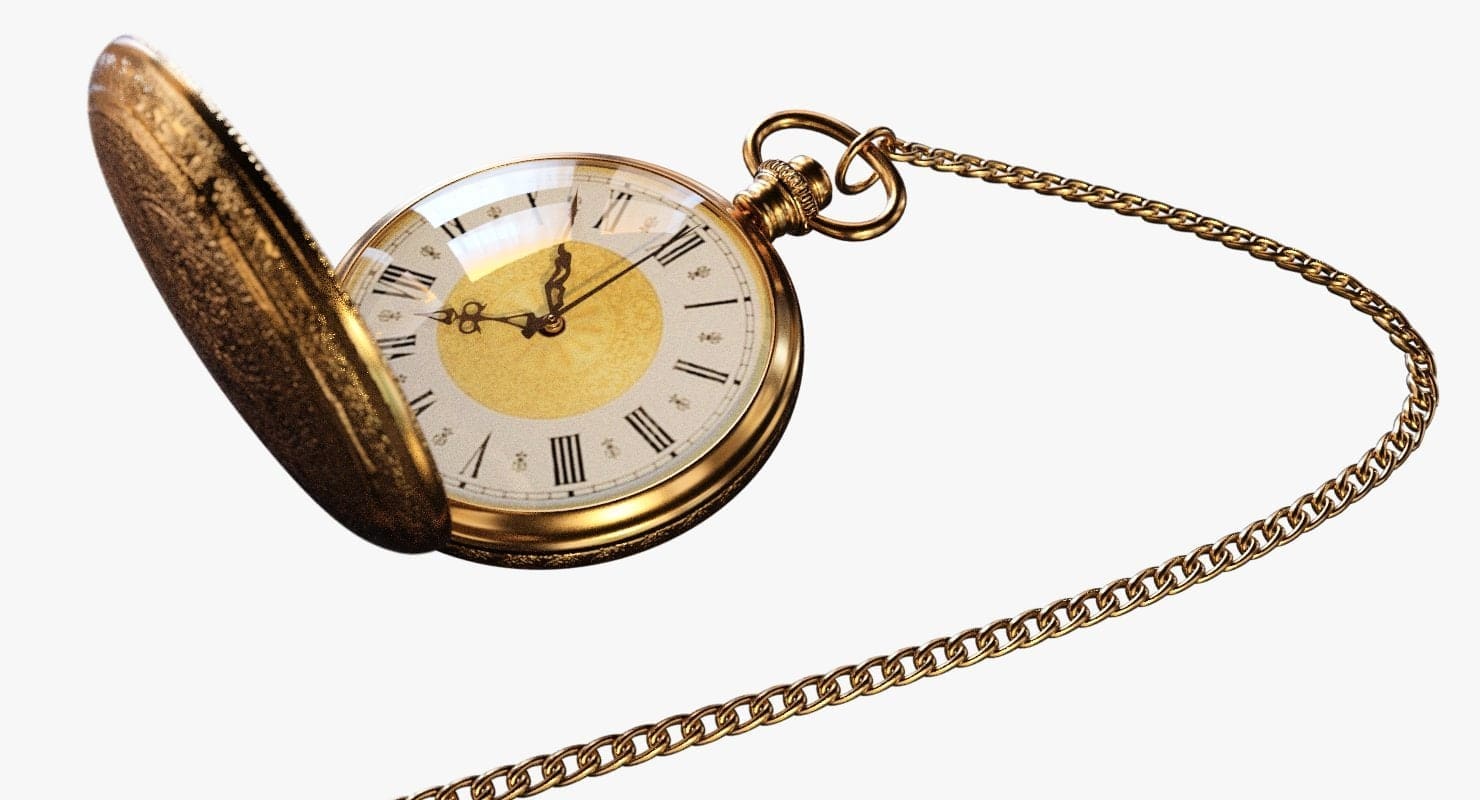
3D vintage pocket watch 0

Understanding ‌the distinction between the grade and​ model of a watch‌ is crucial for both collectors and enthusiasts. While‌ the model⁤ of a watch⁤ refers to its overall design, including the movement, case, and dial⁤ configuration, the grade typically denotes the quality and finishing of the movement itself.‍ This article delves into the nuances that separate these two⁣ terms, shedding ⁣light⁤ on how they influence a watch’s value, functionality, and appeal. By exploring various examples and historical contexts, readers will gain a comprehensive understanding of how ​grade and model play distinct yet interconnected roles in‌ the world of horology.


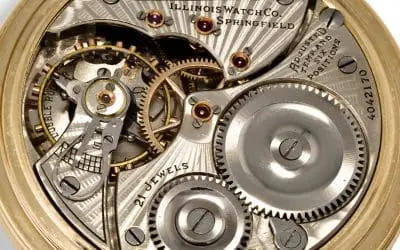
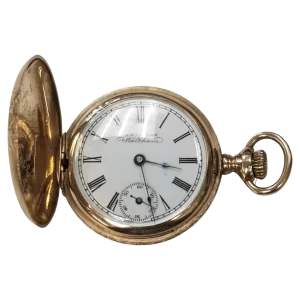
The model of a watch is the overall design of the watch’s movement. In general, the model defines the size and shape of the plates and/or bridges. The model especially defines the layout of the (gear) train and the design of the vast majority of the parts. Waltham watches have model numbers which roughly correspond to the first year they were produced [1883, 1892, 1912, etc.] Other companies used names such as “Series 1,” “Model #2,” etc.

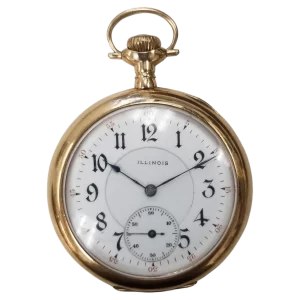
If the model of a watch denotes the general design of the movement, the grade refers to variations between examples of the same model. These variations can include such things as the number of jewels, how well-finished the movement is, whether the movement has screw-down jewel settings, etc. Sometimes these variations can be significant, and a particular model can come in a variety of grades from low quality to high. Often, however, the term “grade” is used merely to distinguish between minor variations, and in some cases two different grades are actually identical except for the name. Grades were frequently named after individuals who worked at the watch company, famous historical figures, railroad lines, previous names of the company, and just about anything else you can think of. Thus, you might have a Waltham Model #1892, “Vanguard” grade. Or an Illinois Series 6 “Bunn Special.”

Keep in mind that “model” and “grade” are technical definitions and are often used interchangeably. Some watch companies used the term “grade” almost exclusively without distinguishing between different Models. Other companies used the same grade name with more than one model. So, for example, it is important to distinguish between a Waltham Model #1857 “P. S. Bartlett” grade and a Model #1883 “P. S. Bartlett” grade, since they are completely different watches. The Hamilton “992” grade, on the other hand, was only made in one basic model and is just referred to as the Hamilton 992.
4.3/5 - (10 votes)

Recommended for You…

The Science Behind Mechanical Pocket Watch Movements

Mechanical pocket watches have been around for centuries and continue to be popular vintage accessories for both men and women. From the intricate designs to the precise timekeeping, these timepieces are a testament to the ingenuity and craftsmanship of watchmakers....

The Significance of Hallmarks on Antique Silver Pocket Watches

Antique silver pocket watches hold a certain charm and fascination for both collectors and novices alike. These small, intricate timepieces not only serve as functional accessories but also serve as a testament to the craftsmanship and artistry of a bygone era....

The Mechanism of Repeater Watches Explained

Repeater pocket watches have a long and intriguing history, dating back to the 17th century. These intricate timepieces were admired by many for their ability to chime and strike at the push of a button, making them a popular choice for those in need of a reliable and...

The Influence of Swiss Craftsmanship on Antique Watches

Switzerland has long been renowned for its precision and excellence in craftsmanship, particularly in the realm of horology. The country's reputation for producing high-quality timepieces dates back centuries, with Swiss watchmakers gaining worldwide recognition for...

The Decline of Pocket Watches: Causes and Effects

The pocket watch, once a staple accessory of gentlemen and a symbol of refined elegance, has seen a significant decline in its popularity in recent years. From being an essential tool for timekeeping to becoming a statement piece of fashion, the pocket watch has...

The Value of Antique Pocket Watches: What Collectors Need to Know

Antique pocket watches have a rich history and hold a special place in the world of collectibles. These intricate timepieces were once an essential accessory for the upper class, and today, they continue to capture the attention of collectors worldwide. While many may...

The Role of Jewel Bearings in Antique and Vintage Watch Movements

Pocket watches have been an integral part of timekeeping for centuries, serving as a symbol of elegance and precision. And behind the intricate movements of these timepieces lies a crucial component – the jewel bearings. These small, precious gemstones play a vital...

Navigational Timepieces: Marine and Deck Pocket Watches

Navigational timepieces have played a crucial role in maritime history, aiding sailors in their journeys across the vast seas. These timepieces, specifically designed for use on ships, were essential tools for navigation and timekeeping. Among the many types of...

The Preservation and Display of Antique Pocket Watches

Antique pocket watches hold a unique place in our history, serving as both functional timepieces and cherished heirlooms. These intricate and often ornate timepieces have been passed down through generations, carrying with them stories and memories from a bygone era....

Key-Wind vs. Stem-Wind Pocket Watches: A Historical Overview

Pocket watches have been a staple in timekeeping for centuries, serving as a reliable and convenient accessory for people on the go. However, the way these timepieces are powered and wound has evolved over time, resulting in two popular mechanisms known as key-wind...

The Art of Guilloché on Antique Watch Cases

The intricate designs and delicate beauty of antique pocket watches have captivated collectors and enthusiasts for centuries. While the mechanisms and timekeeping capabilities of these timepieces are certainly impressive, it is often the ornate and decorative cases...
Watch Museum: Discover the World of Antique & Vintage Pocket Watches
Privacy Overview

This website uses cookies so that we can provide you with the best user experience possible. Cookie information is stored in your browser and performs functions such as recognising you when you return to our website and helping our team to understand which sections of the website you find most interesting and useful.