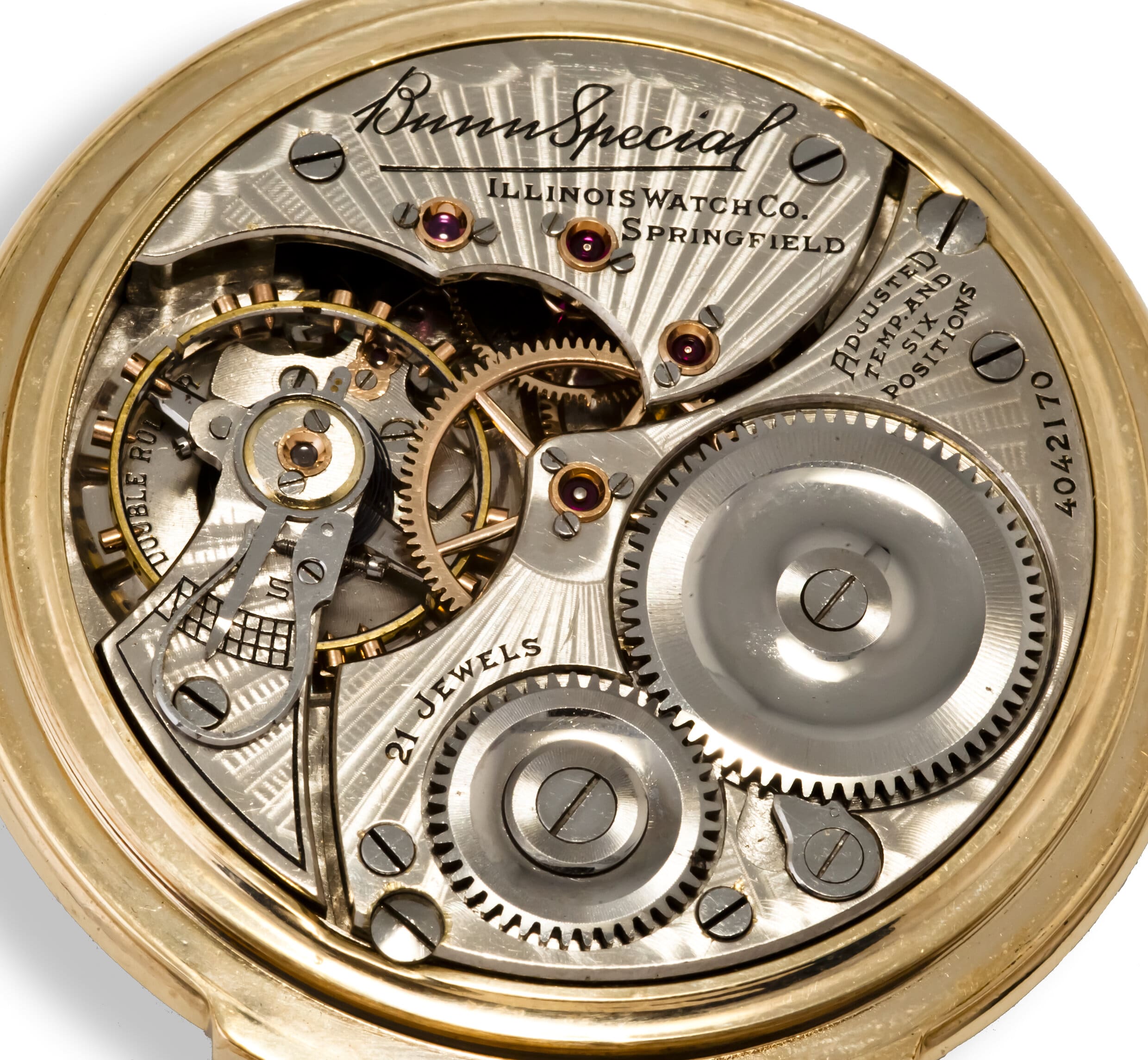
Mechanical pocket watches have been around for centuries and continue to be popular vintage accessories for both men and women. From the intricate designs to the precise timekeeping, these timepieces are a testament to the ingenuity and craftsmanship of watchmakers. But have you ever wondered about the inner workings of a mechanical pocket watch? How do these small devices accurately keep track of time without the use of batteries or electricity? In this article, we will delve into the science behind mechanical pocket watch movements and explore the intricate mechanisms that make these timepieces tick. From the early beginnings of mechanical timekeeping to the modern advancements in technology, we will uncover the history, principles, and innovations that have shaped the evolution of mechanical pocket watch movements. So, for all the watch enthusiasts and curious minds out there, let us take a journey through time and discover the science behind the fascinating world of mechanical pocket watch movements.
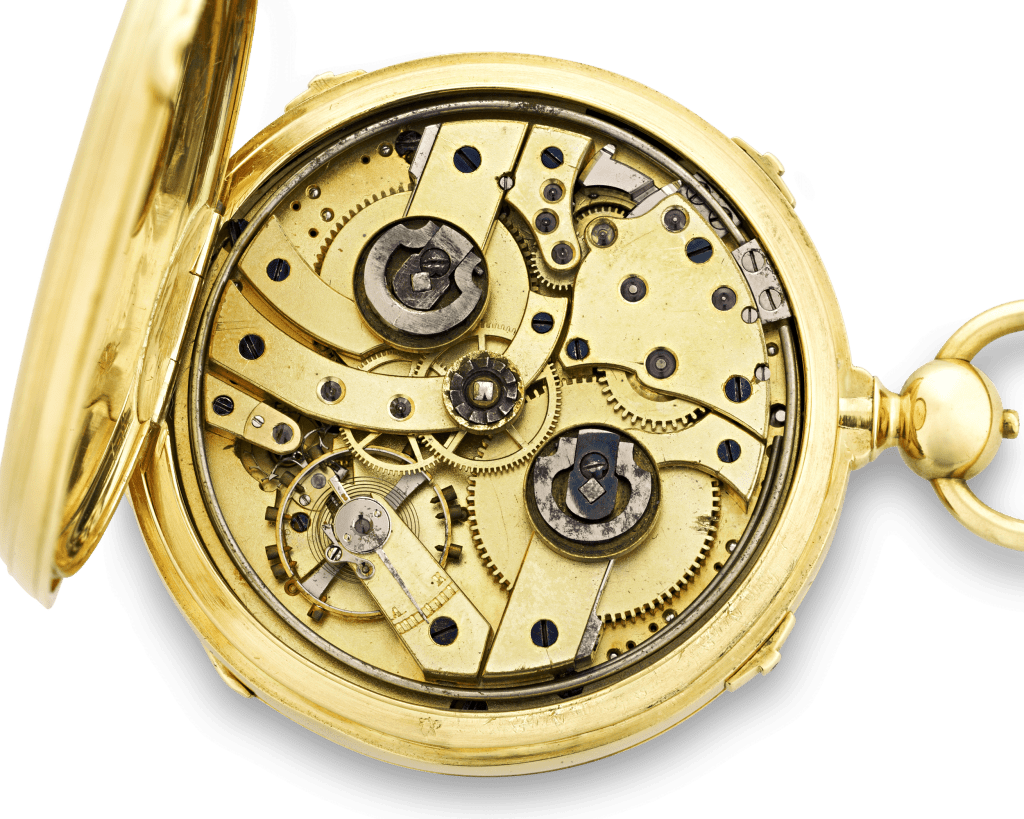
Understanding the intricacies of mechanical movements.
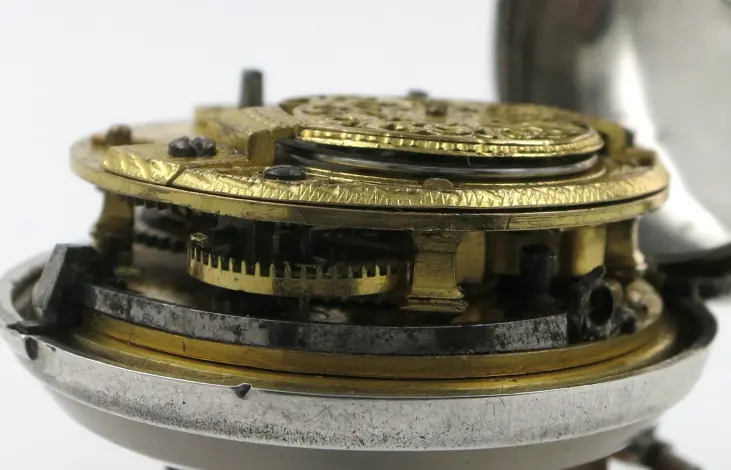
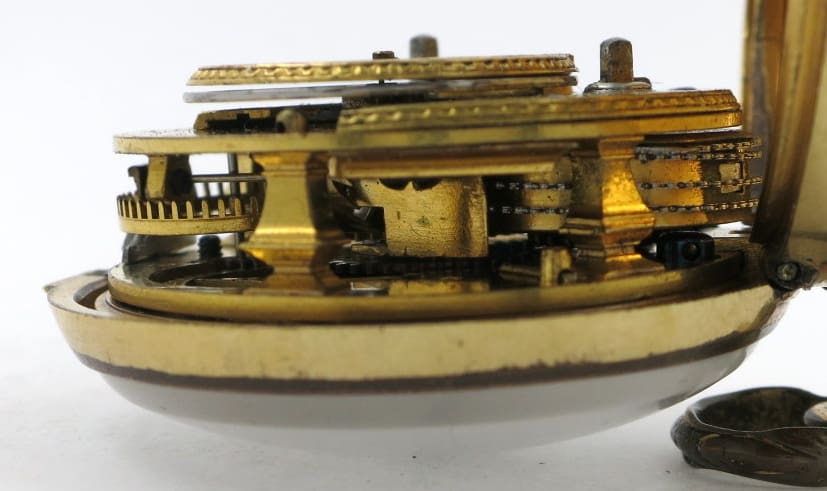
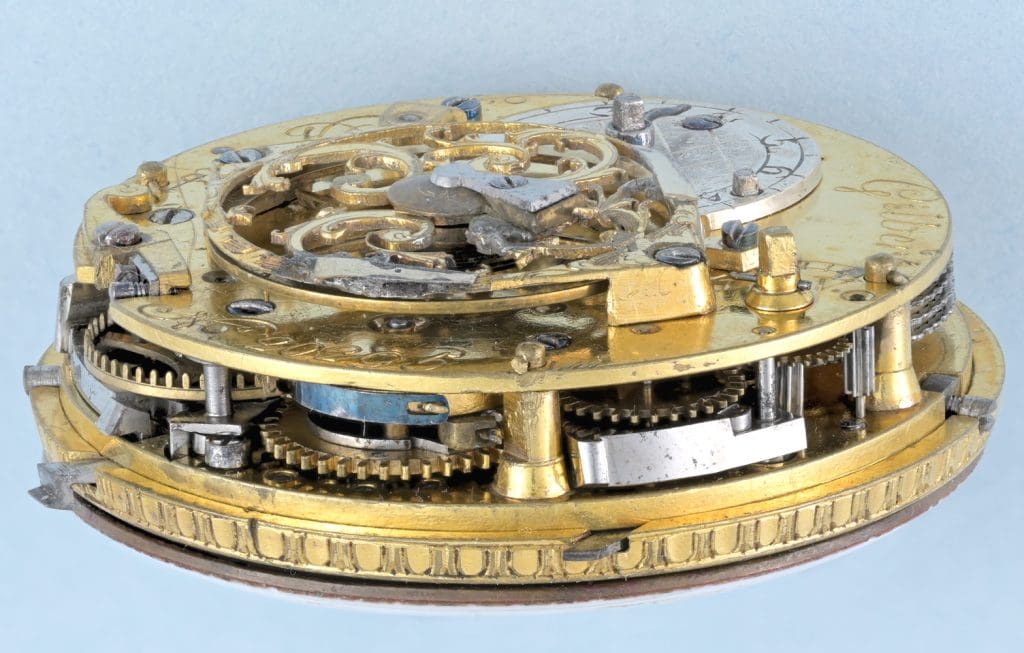
Mechanical movements in pocket watches are a marvel of engineering precision and craftsmanship. Operating without the use of batteries or electronics, these intricate mechanisms rely on a series of interlocking gears, springs, and levers to keep time. The key to understanding the intricacies lies in comprehending the principles of energy transfer and regulation. When the mainspring is wound, potential energy is stored. As it unwinds, this energy is transferred through a series of gear trains, which control the rotation of the hour, minute, and second hands. The escapement mechanism, consisting of a balance wheel and an escapement wheel, regulates the release of energy, ensuring a consistent and accurate movement. By gaining a deeper understanding of these mechanisms, watch enthusiasts can truly appreciate the craftsmanship and ingenuity that goes into creating a mechanical pocket watch movement.

The history and evolution of pocket watches.
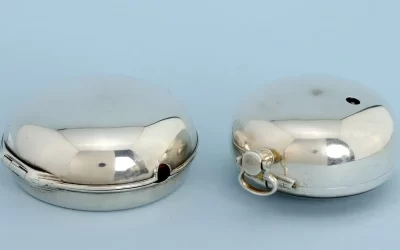
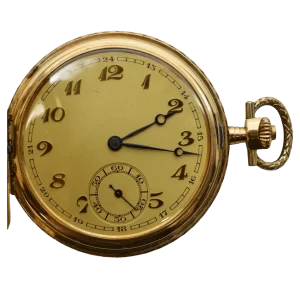
Throughout history, pocket watches have played a significant role in timekeeping. Originating in the 16th century, these portable timepieces were initially owned only by the wealthy elite. Early pocket watches were large and cumbersome, often housed in decorative cases and worn as a fashion statement. However, advancements in technology and manufacturing techniques led to the miniaturization of these timepieces, making them more accessible to a wider audience. The 19th century saw a boom in the popularity of pocket watches, with their precise and reliable mechanical movements becoming a symbol of status and sophistication. As the 20th century arrived, the introduction of quartz and digital watches threatened the survival of traditional mechanical pocket watches. However, a resurgence in recent years has seen a renewed appreciation for their timeless elegance and craftsmanship. Today, pocket watches are cherished as heirlooms, collector’s items, and fashion accessories, embodying a rich history of innovation and artistry.
The inner workings of a mechanical movement.
Mechanical pocket watches are marvels of precision engineering, designed with intricate mechanisms that work in harmony to measure time. At the heart of a mechanical movement lies a mainspring, which stores potential energy when wound. As the mainspring unwinds, this stored energy is released and transferred through a series of gears and levers, providing the necessary force to drive the timekeeping functions. The escapement, a crucial component, controls the release of this energy in precise increments, allowing the watch to tick and accurately measure the passage of time. Additionally, a balance wheel and hairspring system oscillate back and forth, creating a regulated beat that further ensures accurate timekeeping. The inner workings of a mechanical movement are a testament to human ingenuity and craftsmanship, combining intricate mechanical parts with meticulous assembly to create a timepiece that stands the test of time.
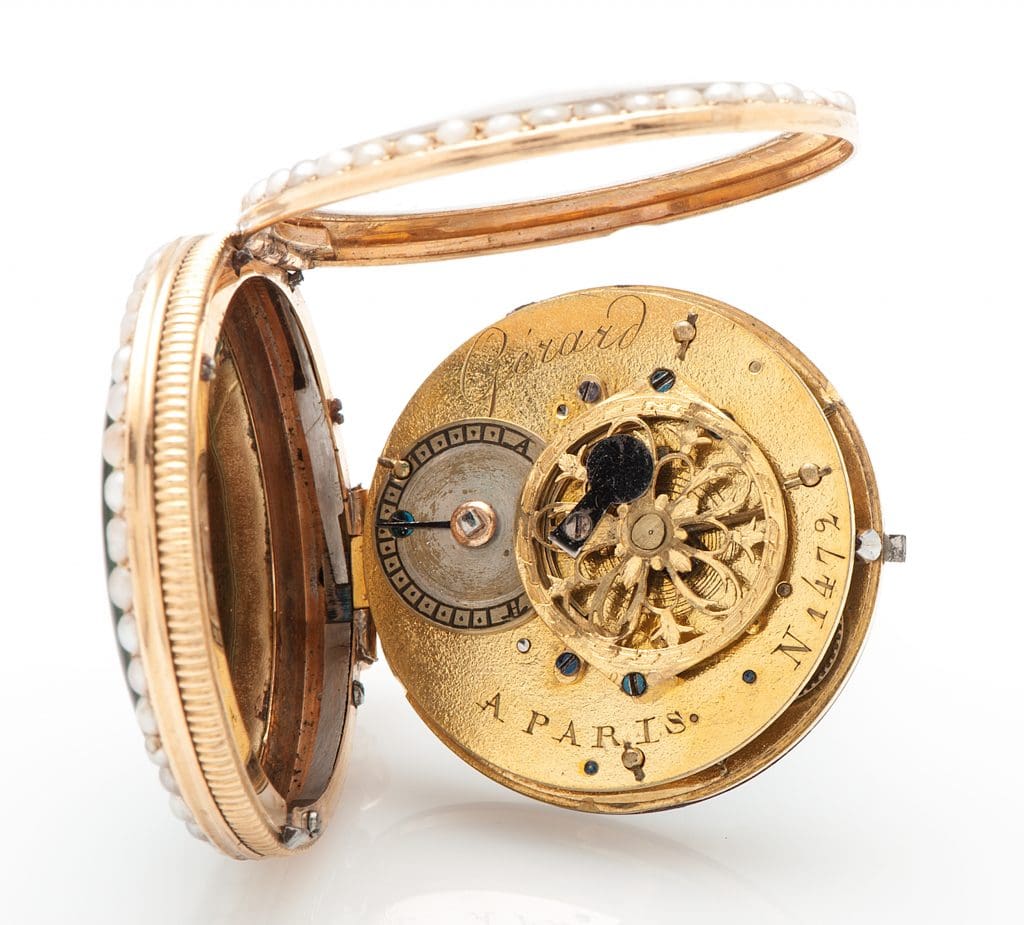
How gears and springs function.
Gears and springs play vital roles in the functioning of mechanical pocket watch movements, working together seamlessly to ensure precise timekeeping. Gears, with their interlocking teeth, transmit rotational motion from one component to another. They are carefully designed and positioned within the movement to control the speed and direction of various mechanisms. Springs, on the other hand, provide the necessary tension and energy required for the movement to operate. The mainspring, when wound, stores potential energy that is gradually released to power the intricate mechanisms. Additionally, other types of springs, such as the hairspring, assist in regulating the movement by controlling the oscillations of the balance wheel. Through the intricate coordination of gears and springs, mechanical pocket watch movements demonstrate the brilliance of mechanical engineering in accurately measuring time.

The importance of precision engineering.
Precision engineering is of paramount importance in the world of mechanical pocket watch movements. Every component, from the gears to the springs, must be meticulously designed and manufactured to exact specifications. Even the slightest deviation can have a significant impact on the overall performance and accuracy of the watch. With precision engineering, each tooth on the gears fits perfectly with its counterpart, ensuring smooth and precise movement. The springs are carefully calibrated to provide the optimal tension and energy distribution, allowing for precise timekeeping. Without this attention to detail and precision, the functionality and reliability of mechanical pocket watch movements would be compromised. Precision engineering is not just a luxury; it is an essential element in creating timepieces that stand the test of time and deliver accurate measurements, making it a cornerstone of the science behind mechanical pocket watch movements.
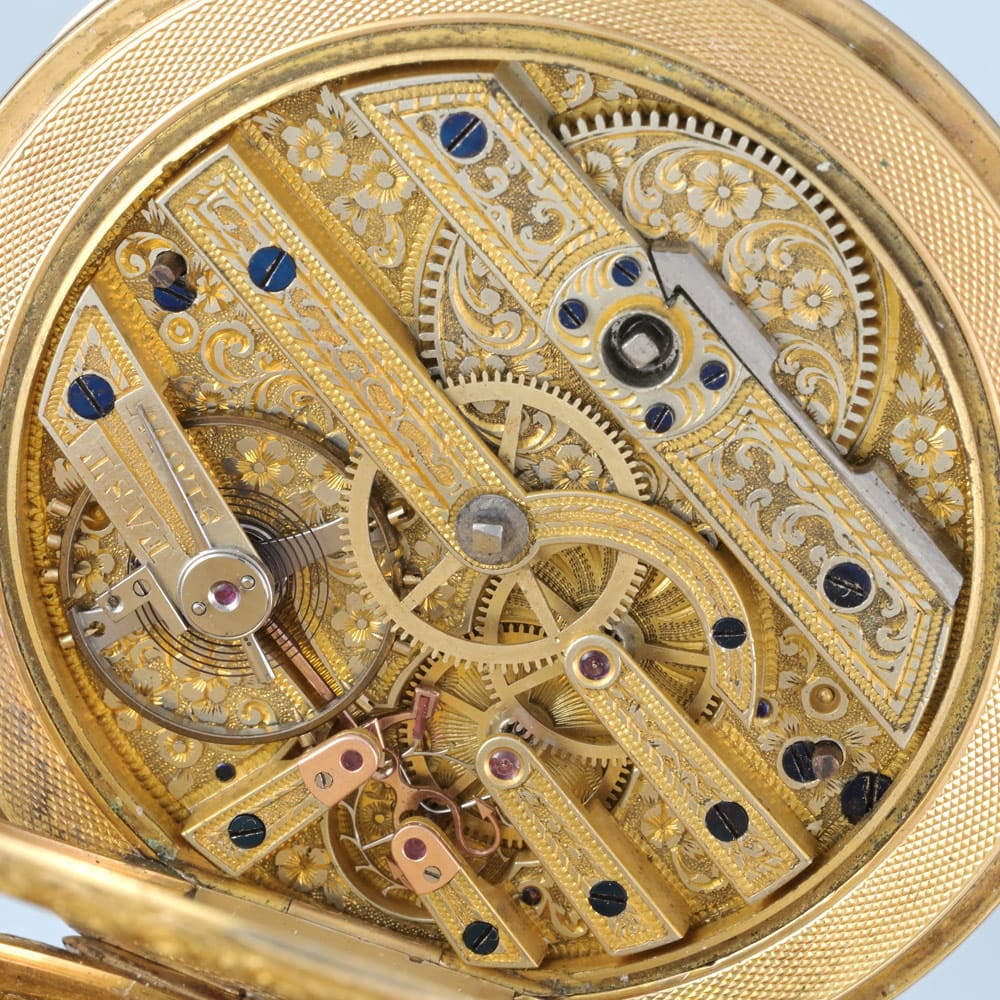
The role of balance wheels.
The delicate dance of timekeeping in mechanical pocket watch movements is entrusted to the pivotal role of balance wheels. These small, circular components serve as the heartbeat of the timepiece, ensuring its accuracy and stability. The primary function of the balance wheel is to oscillate back and forth, creating a rhythmic motion that regulates the movement of the gears and ultimately dictates the passage of time. This oscillation is made possible by the integration of a hairspring, which acts as a delicate spring system that controls the back-and-forth motion of the balance wheel. Through meticulous calibration, the balance wheel and hairspring work in unison to maintain a consistent beat, ensuring that the pocket watch keeps accurate time. The balance wheel’s ability to resist external disturbances and maintain its oscillations is crucial in maintaining the timepiece’s precision and reliability. Without the proper functioning and fine-tuning of the balance wheels, the intricate mechanism of mechanical pocket watch movements would falter, leading to inaccuracies and diminished performance.
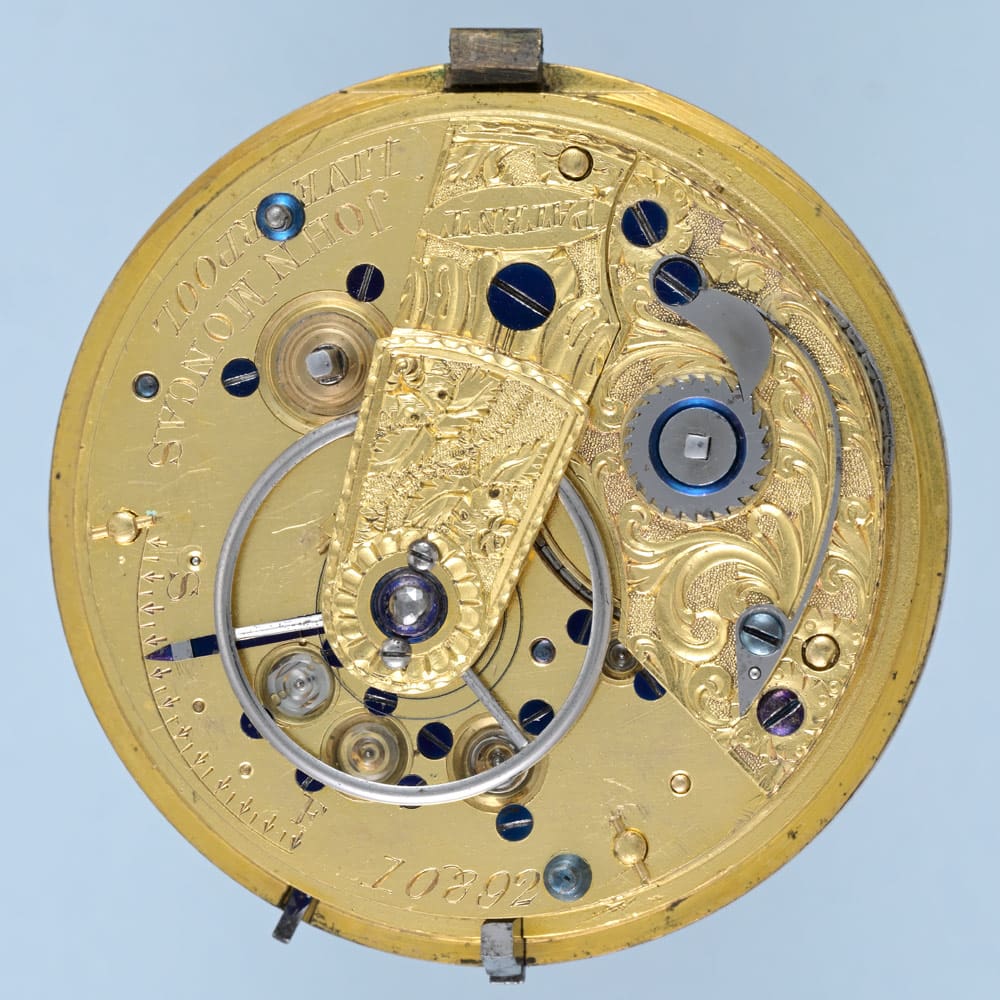
The mechanics of winding and setting.
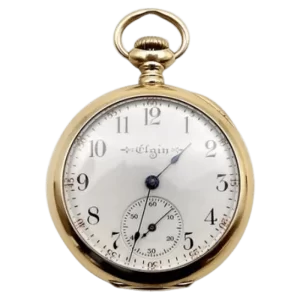
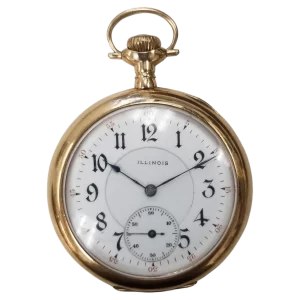
When it comes to the mechanics of winding and setting a mechanical pocket watch, precision and attention to detail are of utmost importance. Winding a pocket watch involves carefully turning the crown, which is typically located at the 3 o’clock position on the case. This action tightens the mainspring, storing potential energy that will gradually be released to power the movement. It is crucial to wind the watch fully, but not excessively, to ensure optimal performance and longevity.
Setting the time on a mechanical pocket watch requires a delicate touch. The crown is gently pulled out to a designated position, allowing the hands to be moved in a clockwise direction to the desired time. A steady hand and careful alignment are necessary to ensure accurate synchronization of the hour, minute, and sometimes second hands. After setting the time, the crown is pressed back in, securing it in its original position.
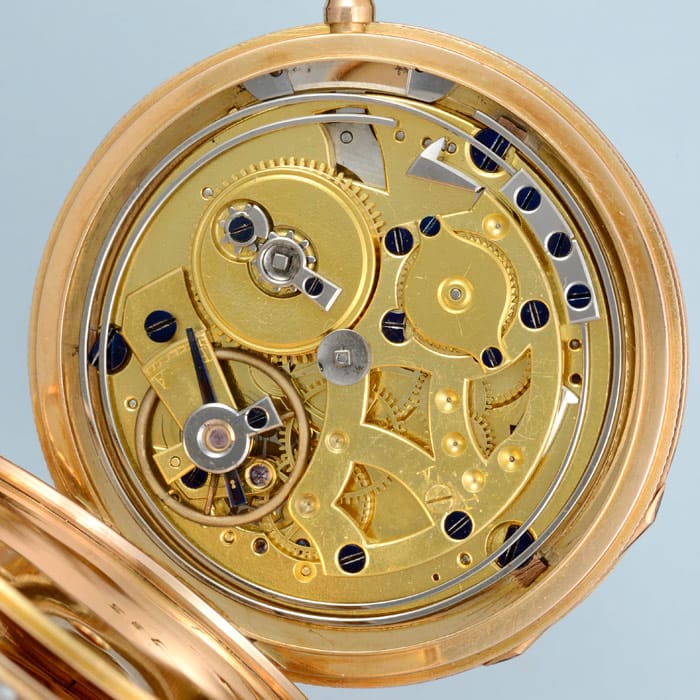
Both winding and setting procedures should be performed with care and attention to preserve the intricate inner workings of the pocket watch. Proper maintenance and periodic servicing by a skilled watchmaker are essential to keep the mechanical movement in optimal condition, ensuring its longevity and accurate timekeeping for generations to come.
The significance of jewel bearings.
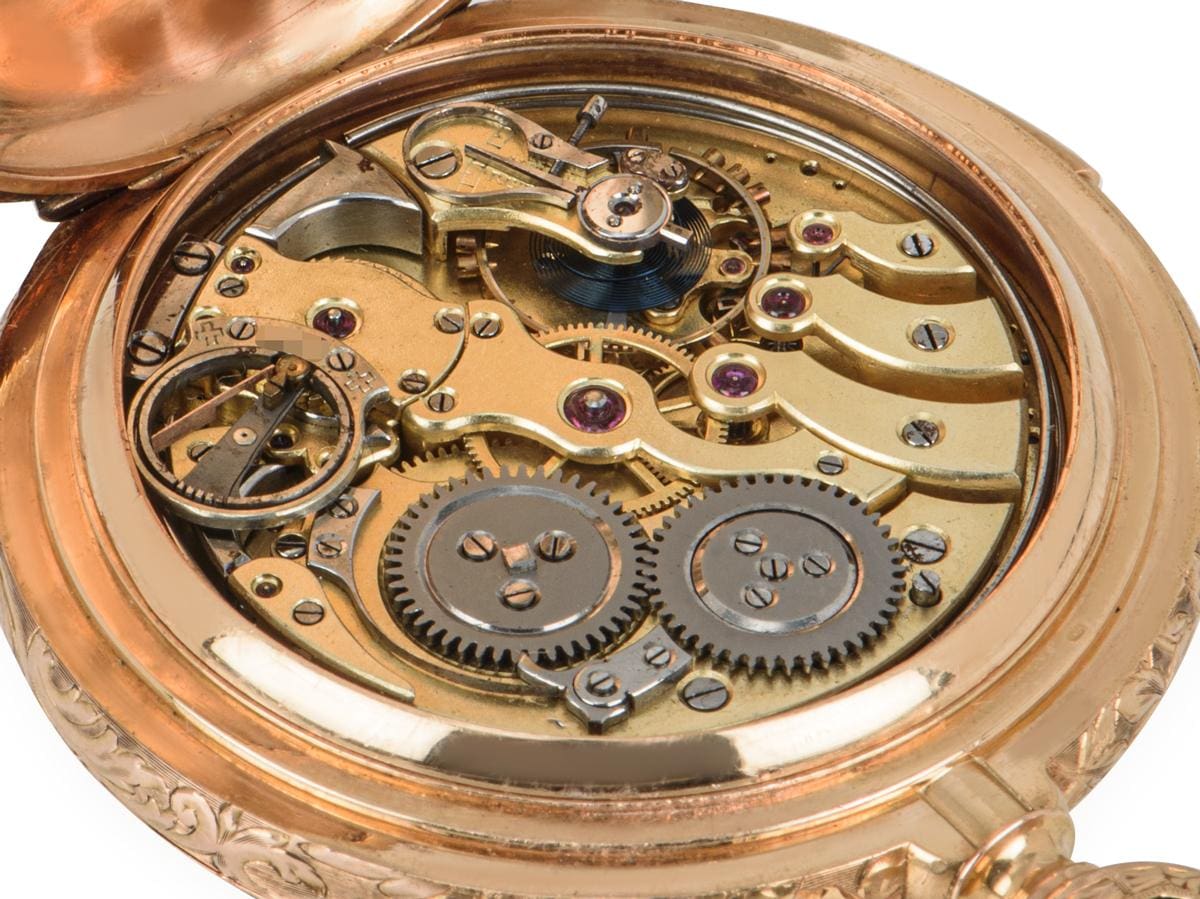
Jewel bearings play a significant role in the functionality and durability of mechanical pocket watch movements. These tiny gemstones, commonly made of synthetic ruby or sapphire, are strategically placed throughout the movement to reduce friction and enhance accuracy. The jewels are meticulously positioned in key areas where metal components come into contact, such as the balance wheel, escape wheel, and pallet fork. By utilizing jewel bearings, the watch movement experiences minimal wear and tear, allowing for smoother operation and increased longevity. The precision and stability provided by these jewel bearings contribute to the overall reliability and performance of mechanical pocket watches, ensuring that they can continue to keep time accurately for generations to come.
The impact of temperature and humidity.
Temperature and humidity have a profound impact on the functionality and precision of mechanical pocket watch movements. Fluctuations in temperature can cause the metal components of the movement to expand or contract, affecting their alignment and ultimately leading to inaccurate timekeeping. Excessive heat can accelerate the wear and tear of the delicate parts, while extreme cold can slow down the movement and impede its smooth operation. Similarly, high humidity levels can cause moisture to seep into the movement, leading to rust and corrosion. To mitigate these effects, watchmakers employ various techniques such as temperature compensation mechanisms and moisture-resistant materials to ensure that mechanical pocket watches can maintain their accuracy and performance even in challenging environmental conditions. Understanding and managing the impact of temperature and humidity is crucial in preserving the reliability and longevity of these intricate timekeeping devices.

The beauty and complexity of mechanical movements.
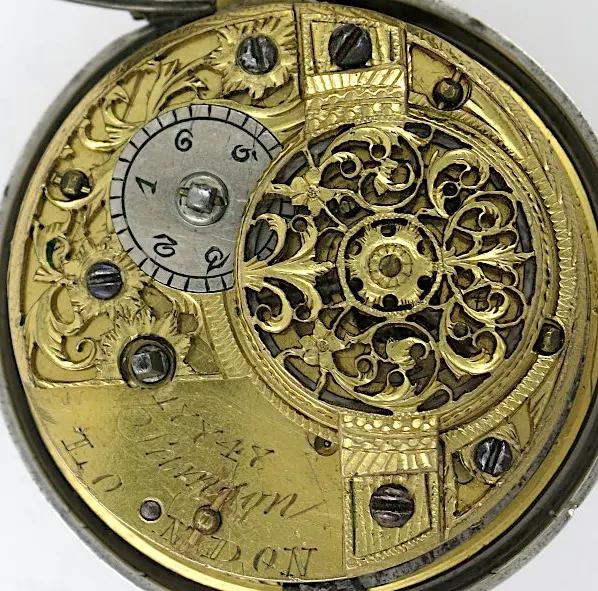
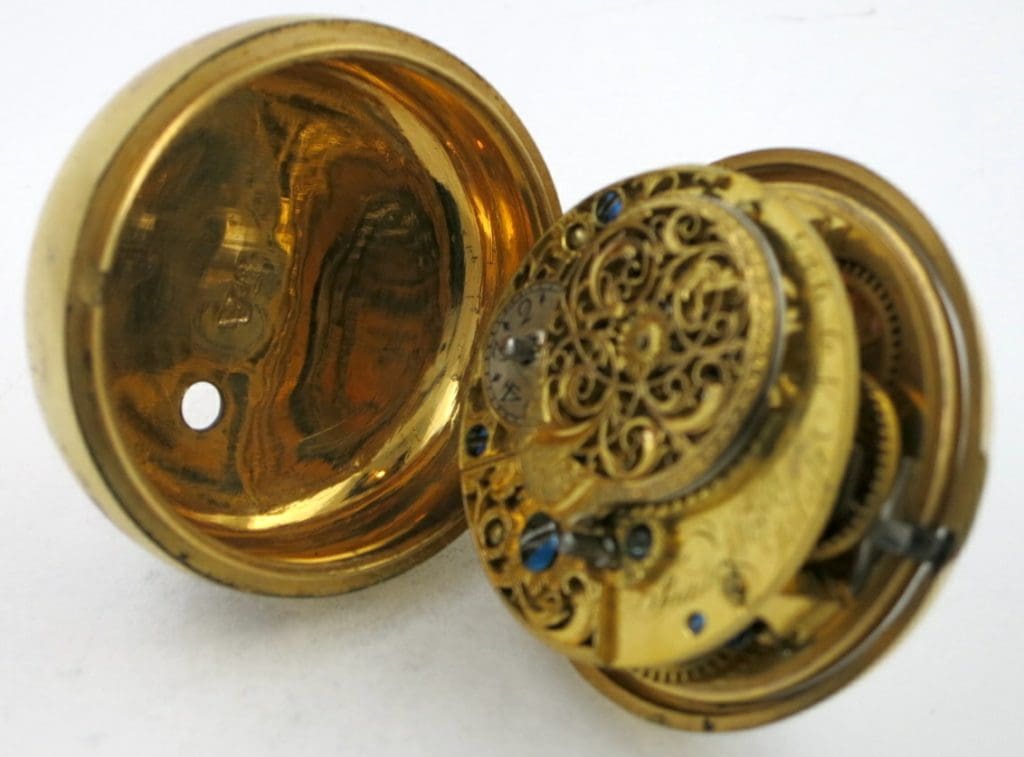
Mechanical movements within pocket watches possess a captivating blend of beauty and complexity. The intricate network of gears, springs, and levers work in perfect harmony to power the timekeeping mechanism. Each component has been meticulously designed and crafted to ensure precise and accurate timekeeping, creating a symphony of motion within the timepiece. The movement of the gears, visible through a transparent case back, showcases the mesmerizing artistry behind these mechanical marvels. The delicate balance between form and function is a testament to the skill and craftsmanship of the watchmakers who create these intricate timekeeping devices. The intricate nature of mechanical movements not only provides a remarkable display of engineering prowess but also offers a tangible connection to the rich history and legacy of horology.

In conclusion, the intricate and precise movements of mechanical pocket watches are a testament to the advancements in horology and the craftsmanship of skilled watchmakers. The science behind these movements, from the mainspring to the escapement, is a remarkable feat of engineering and physics. As we continue to rely on digital devices for timekeeping, it is important to appreciate the complexity and beauty of mechanical pocket watches, which stand as a testament to the progress of timekeeping technology.
FAQ
How do the gears and springs in a mechanical pocket watch movement work together to keep time accurately?
The gears in a mechanical pocket watch movement work together to transfer energy from the wound mainspring to the escapement, which regulates the release of energy in precise intervals. The escapement controls the rotation of the gears, allowing the hands of the watch to move at a consistent rate. The springs within the movement, such as the hairspring, help stabilize the oscillation of the balance wheel, ensuring accurate timekeeping. Together, the gears and springs work in harmony to maintain the proper rhythm and accuracy of the watch’s timekeeping mechanism.
What are the main differences between a manual wind and an automatic mechanical pocket watch movement?
The main difference between a manual wind and an automatic mechanical pocket watch movement is how they are powered. Manual wind movements require the wearer to manually wind the watch by turning the crown regularly, while automatic movements use the natural motion of the wearer’s wrist to wind the watch through a rotor. This means that automatic watches do not require manual winding as long as they are worn regularly. Both types of movements offer accurate timekeeping, but the method of powering the watch sets them apart.
How does the escapement mechanism in a mechanical pocket watch movement regulate the release of energy to ensure consistent timekeeping?
The escapement mechanism in a mechanical pocket watch movement regulates the release of energy by controlling the rotation of the gear train. This mechanism includes a pallet fork and an escape wheel that work together to allow the gear train to advance in small, precise increments. The pallet fork locks and releases the escape wheel teeth, creating a controlled energy release that maintains consistent timekeeping by governing the movement of the watch hands. This precise system ensures that the energy from the mainspring is evenly distributed, allowing the watch to keep accurate time.
What role do jewels play in the construction of a mechanical pocket watch movement, and how do they contribute to its longevity and precision?
Jewels in a mechanical pocket watch movement act as bearings to reduce friction between moving parts, thus enhancing longevity and precision. Jewels are typically made of synthetic sapphire or ruby and are placed at key points in the movement to minimize wear and tear. Their hard, smooth surfaces help to maintain consistent performance over time by reducing friction and allowing parts to move smoothly. This ultimately leads to improved accuracy and durability of the watch movement, making it more reliable and long-lasting.
How has modern technology and materials impacted the design and performance of mechanical pocket watch movements in recent years?
Modern technology and materials have significantly enhanced the design and performance of mechanical pocket watch movements in recent years. Advanced materials like silicon and ceramic are being used for components, increasing durability and precision. Furthermore, technological advancements in precision engineering, CAD modeling, and manufacturing techniques have enabled more intricate and efficient movements. These innovations have allowed for smaller and more accurate movements, improved shock resistance, and reduced maintenance requirements, ultimately enhancing the overall quality and reliability of mechanical pocket watches.