
Repeater pocket watches have a long and intriguing history, dating back to the 17th century. These intricate timepieces were admired by many for their ability to chime and strike at the push of a button, making them a popular choice for those in need of a reliable and precise timepiece. However, the inner workings of these mechanical marvels have often been a mystery to the average user. In this article, we will delve into the mechanism of repeater pocket watches and unravel the intricate details behind their functioning. From their early origins to the modern-day advancements, we will explore the evolution of these timepieces and how they have stood the test of time. Whether you are a watch enthusiast or simply curious about the inner workings of these vintage timepieces, this article aims to provide a comprehensive understanding of the mechanism of repeater pocket watches. So, let us journey into the world of horology and discover the fascinating mechanism behind these timeless treasures.

History of repeater pocket watches.
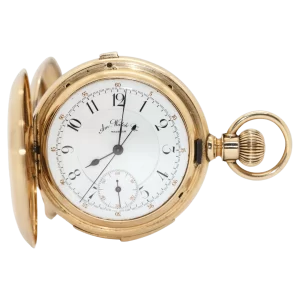
Repeater pocket watches have a rich history that dates back to the 17th century. These intricate timepieces were initially developed to provide a solution to the challenge of telling time in the dark, before the advent of electric lighting. The repeater function allowed the user to audibly hear the time by activating a series of chimes or gongs. The first known repeater pocket watch was created by English watchmaker Daniel Quare in 1687, and it quickly gained popularity among the elite, who valued both its practicality and craftsmanship. Over the years, repeater pocket watches evolved in design and complexity, with advancements in technology allowing for the inclusion of additional features such as quarter-hour and minute repeaters. Today, these remarkable timepieces continue to captivate collectors and enthusiasts alike, serving as a testament to the ingenuity and artistry of watchmaking throughout history.
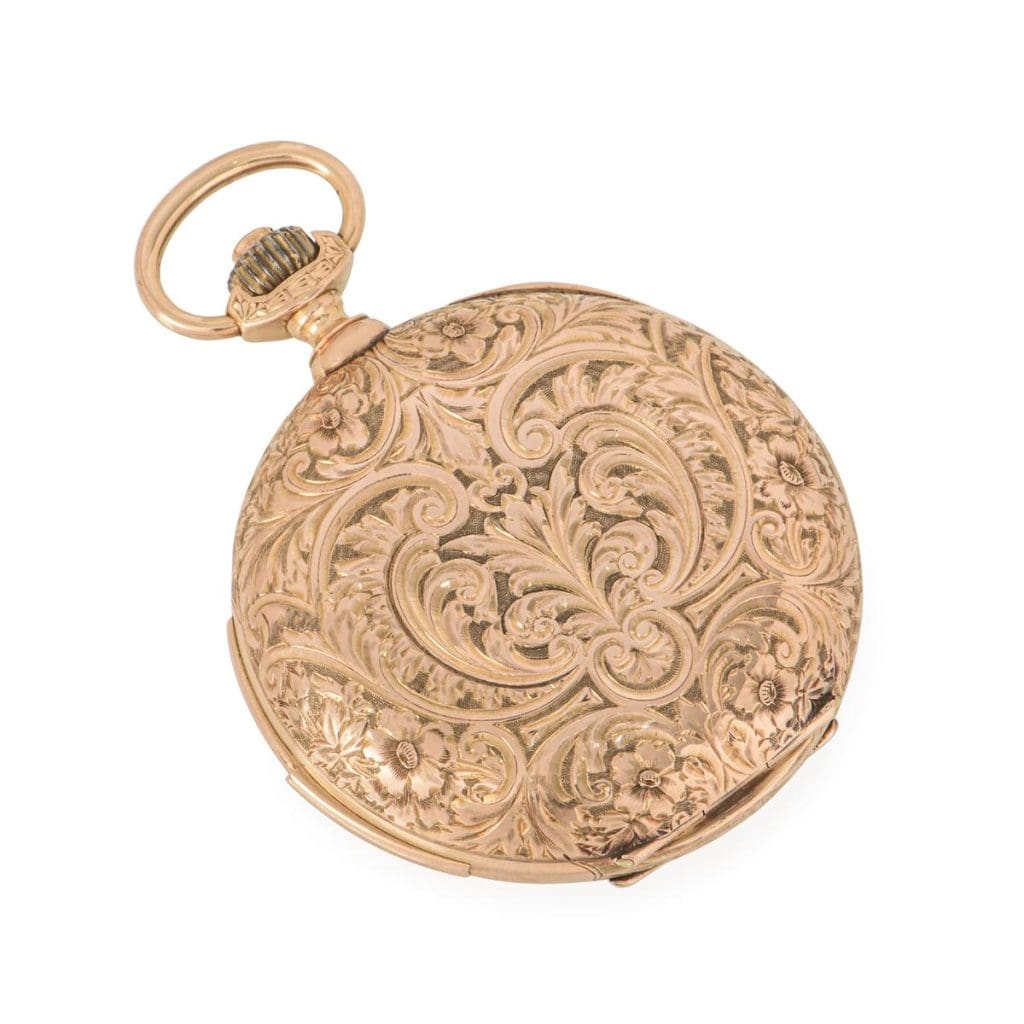

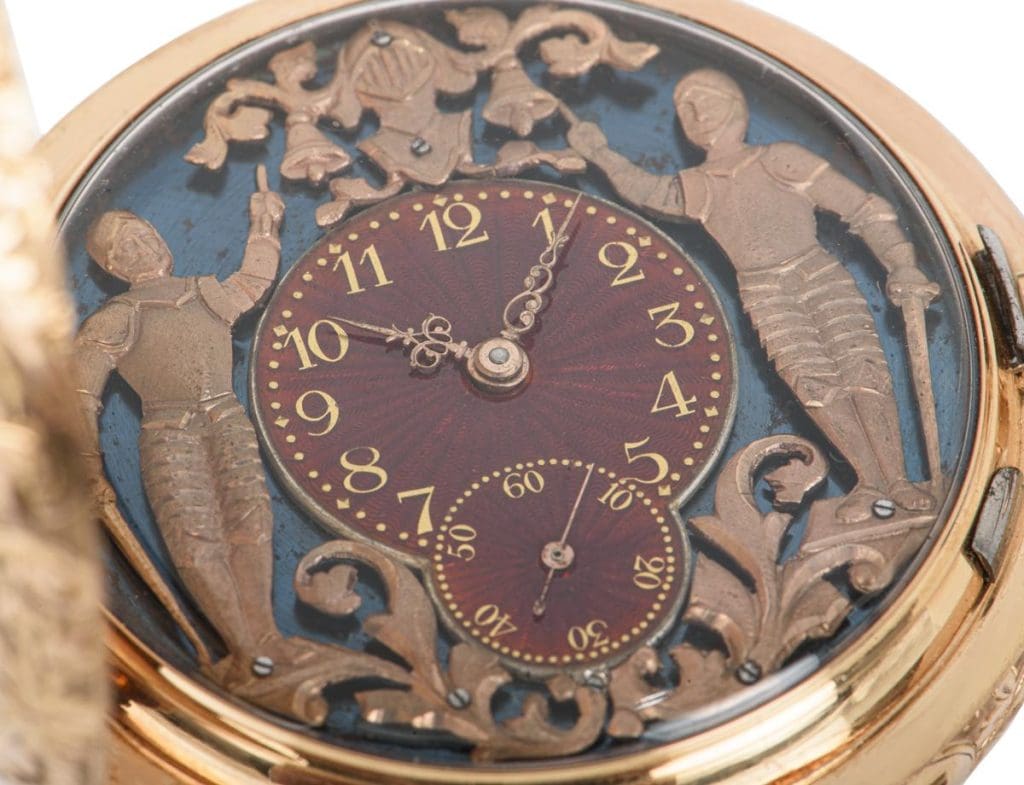
How repeater watches tell time.
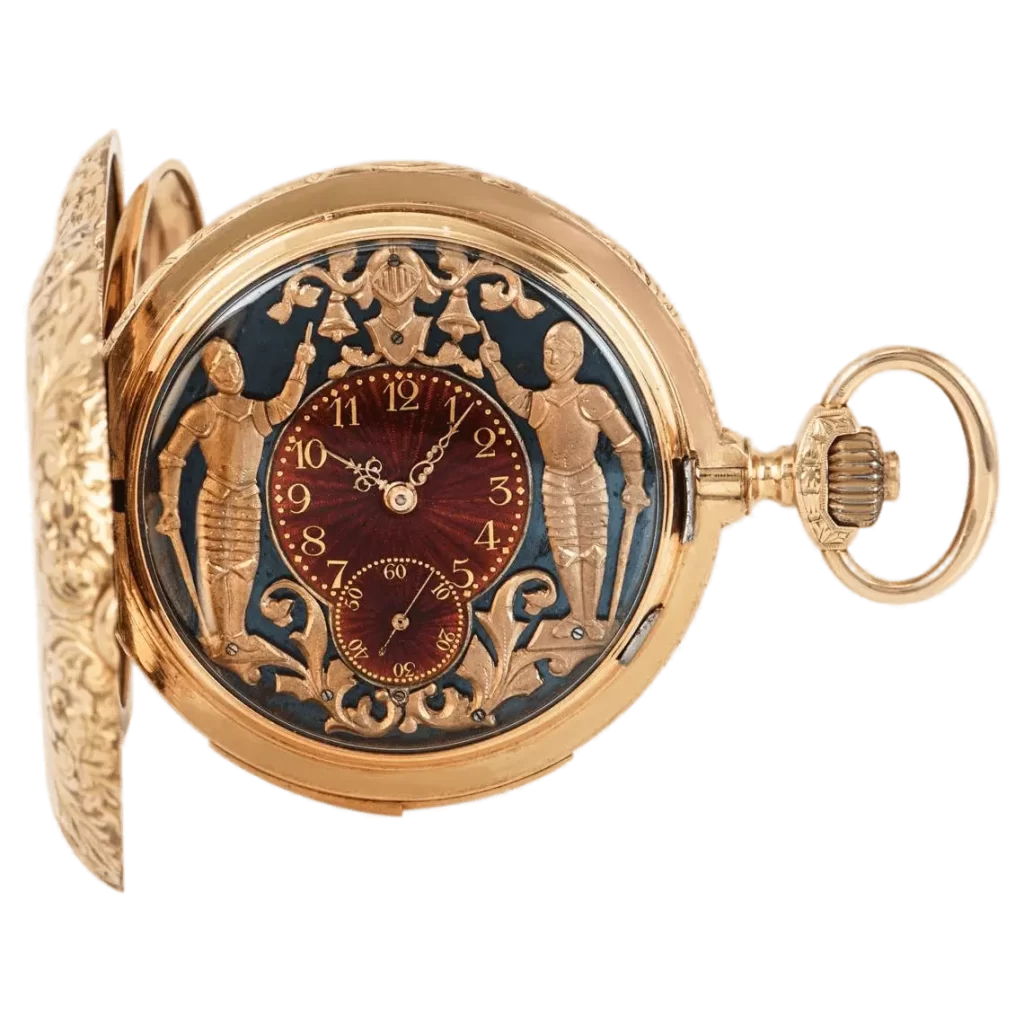
The mechanism of repeater pocket watches is a marvel of engineering and precision. Through a series of intricate gears and levers, these timepieces are able to audibly indicate the time with remarkable accuracy. When activated, a repeater watch produces a sequence of chimes or gongs that correspond to the hours, quarter hours, and minutes. The mechanism operates by converting the rotational motion of the watch’s mainspring into the striking of hammers against the tuned gongs. Each hammer is connected to a different set of gears, which are carefully calibrated to strike the correct sequence of chimes based on the position of the watch’s hands. By listening to the unique combination of sounds produced by the repeater, the wearer can accurately determine the time even in the absence of visual cues. The complexity and precision required to create these intricate mechanisms make repeater pocket watches a true testament to the craftsmanship and ingenuity of horology.
Different types of repeater mechanisms.
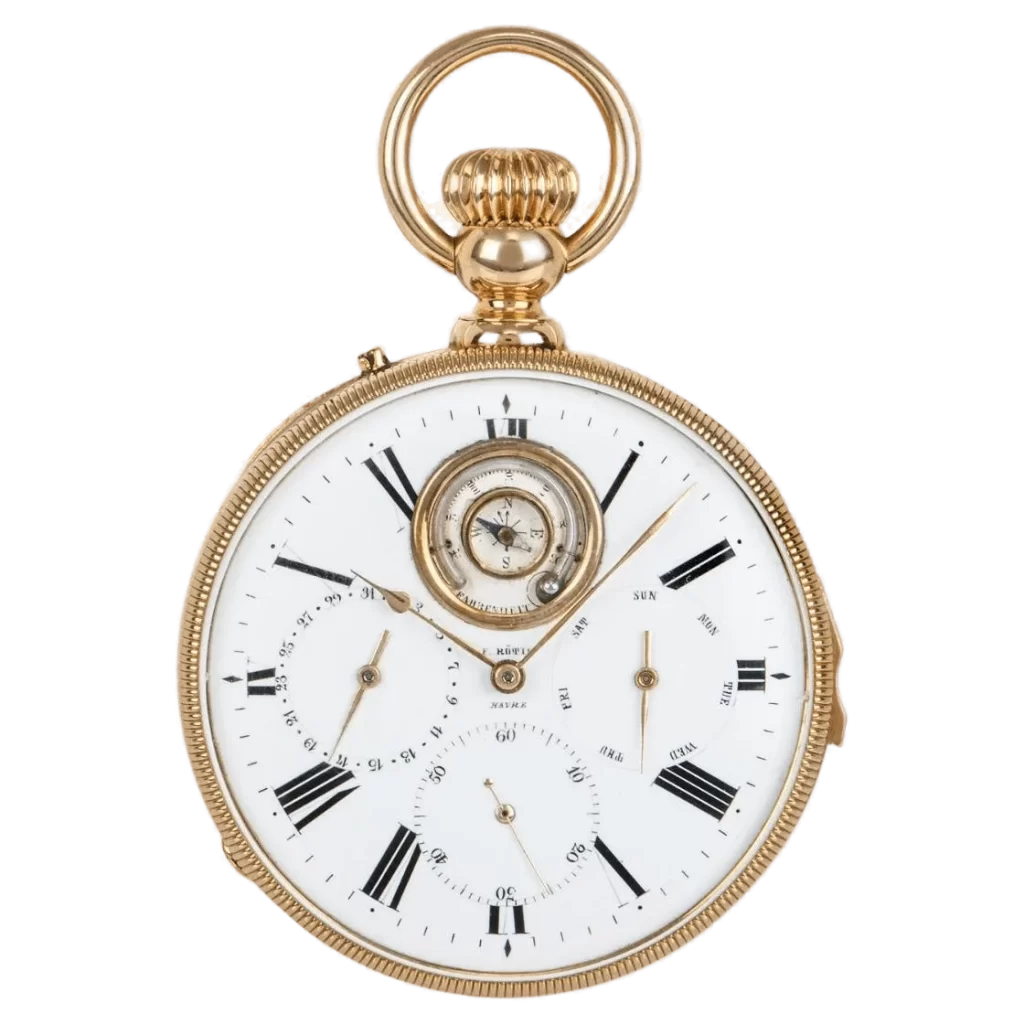
There are several different types of repeater mechanisms found in pocket watches, each with its own unique design and function. One common type is the quarter repeater, which chimes the hours, quarter hours, and minutes. This mechanism utilizes three separate sets of hammers and gongs to produce the corresponding chimes. Another type is the half-quarter repeater, which adds an additional chime for every half-hour increment. This mechanism is more intricate and requires additional gears and levers to accurately indicate the time. The most complex and prestigious type is the minute repeater, which chimes the hours, quarter hours, and minutes in precise detail. This mechanism utilizes a series of additional hammers and gongs to produce the minute chimes, requiring exceptional craftsmanship and precision in its construction. Each type of repeater mechanism offers a unique and captivating auditory experience, allowing the wearer to appreciate both the technical mastery and the artistry of these remarkable timepieces.
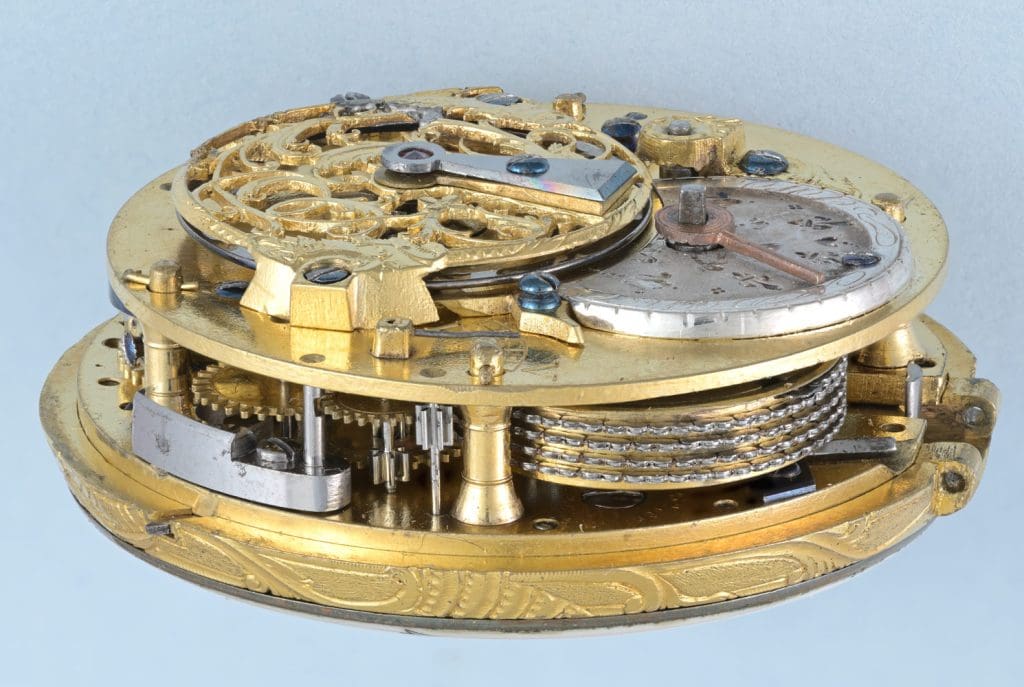
The intricate inner workings.
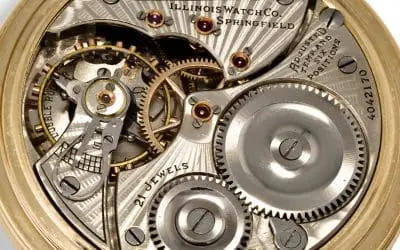
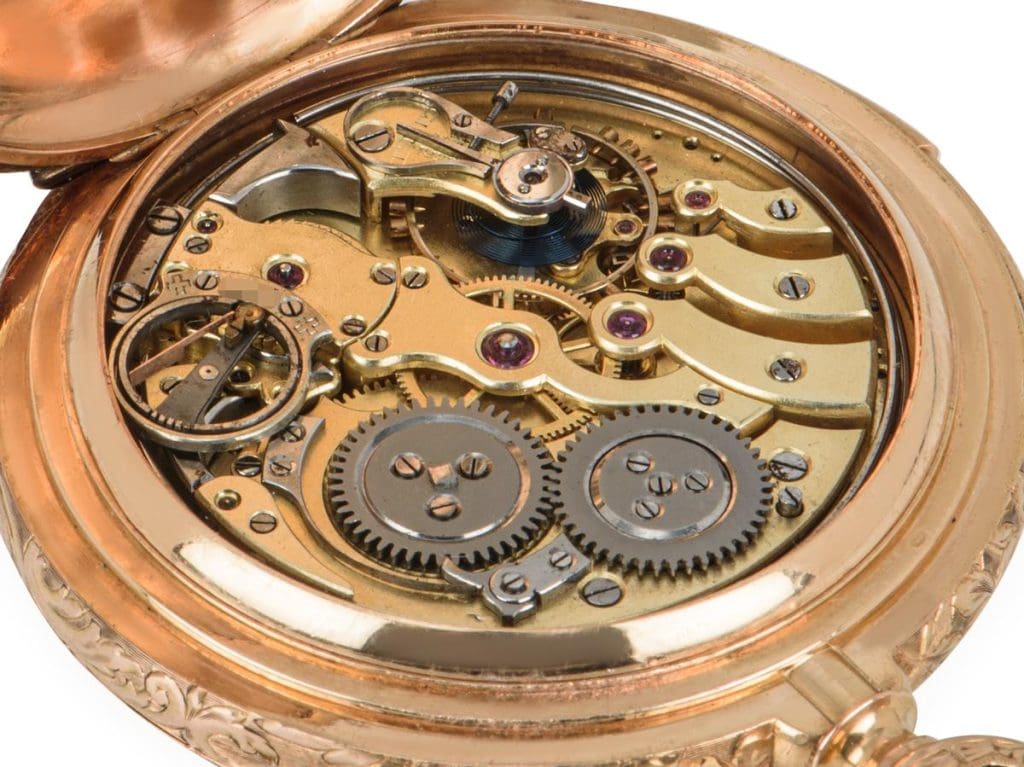
The intricate inner workings of repeater pocket watches are a testament to the artistry and precision involved in their construction. Delving deeper into these mechanisms reveals a complex system of gears, levers, and springs meticulously arranged to produce the enchanting chimes that signify the time. Each component is delicately crafted and carefully calibrated to ensure accurate and harmonious sounds. The interplay between the hammers and gongs is orchestrated with utmost precision, allowing the wearer to experience the beauty of time in a truly remarkable way. From the intricate coordination of the striking mechanism to the intricate alignment of the gears, the inner workings of repeater pocket watches are a symphony of craftsmanship and engineering excellence.
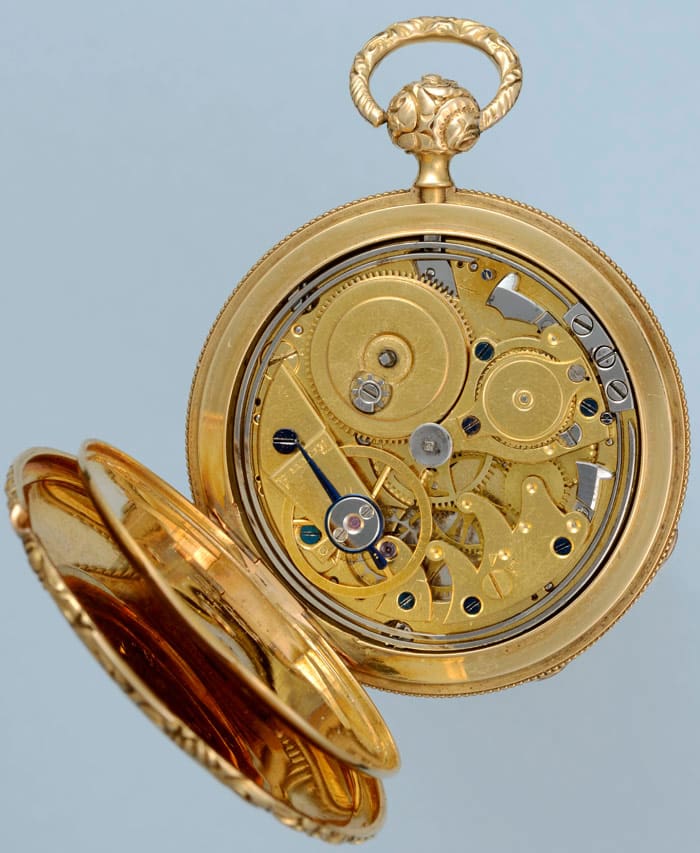
Role of gongs and hammers.
The harmonious chimes produced by repeater pocket watches are a result of the crucial roles played by the gongs and hammers within the intricate mechanism. The gongs, thin strips of metal carefully coiled within the watch, act as resonators to amplify sound. When activated, the hammers, precisely positioned and synchronized with the movement of the gears, strike the gongs, creating melodic tones that indicate the time. The length and thickness of the gongs, as well as the force and timing of the hammer strikes, are meticulously adjusted to achieve the desired pitch and clarity of the chimes. The delicate interplay between the gongs and hammers is a testament to the craftsmanship and attention to detail required in the creation of these remarkable timepieces.
Understanding the chiming sequence.
The chiming sequence of repeater pocket watches is a fascinating aspect to comprehend. It involves the precise coordination of multiple components within the watch mechanism to produce a distinctive sequence of chimes. The sequence usually begins with a set of low tones representing the hours, followed by a series of higher tones for the quarter hours, and concluding with a unique combination of tones to indicate the minutes. Understanding the chiming sequence requires an appreciation for the meticulous adjustments made to the hammers and gongs, as well as the intricate timing mechanisms that ensure the accurate and synchronized delivery of each chime. The ability to decipher and appreciate the chiming sequence is a testament to the intricacy and craftsmanship that goes into the creation of repeater pocket watches.
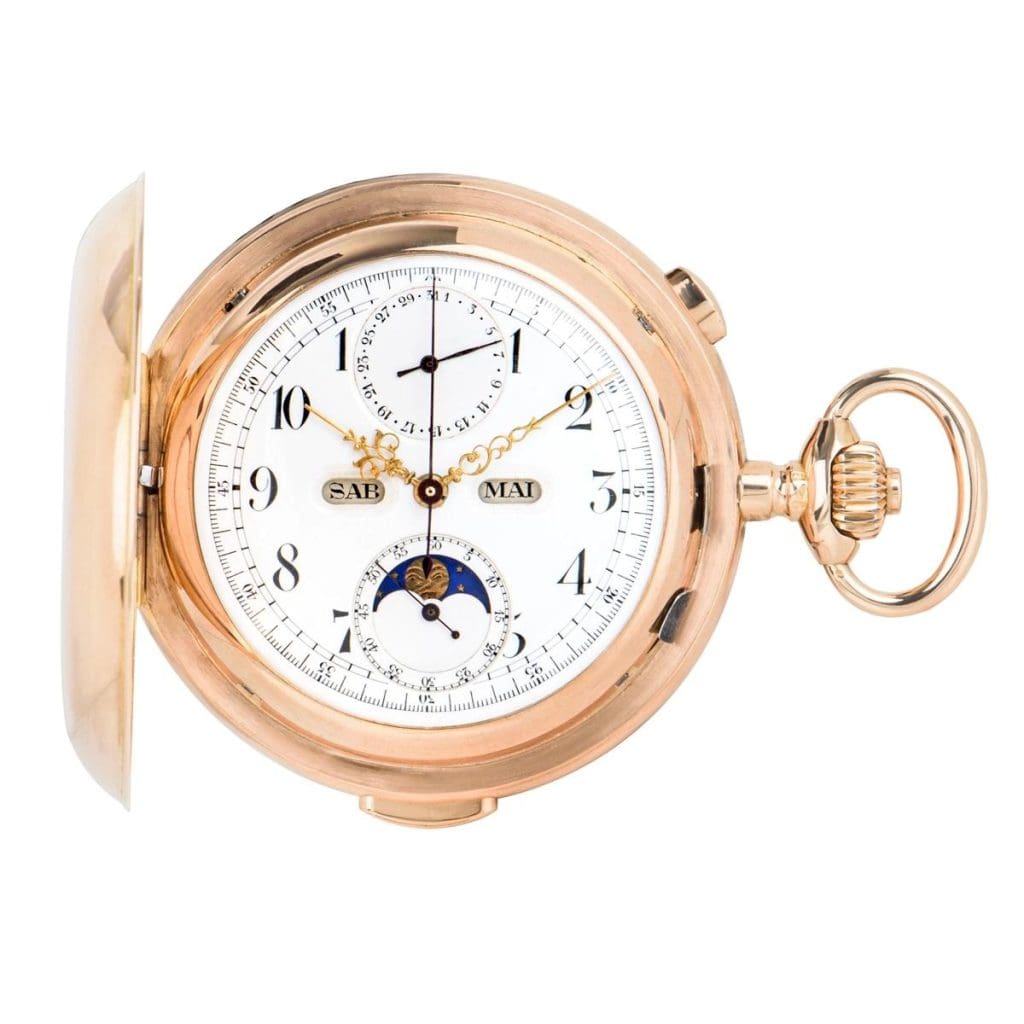
Factors affecting accuracy.
Several factors can influence the accuracy of repeater pocket watches, ultimately affecting the precision of their chiming mechanism. One crucial factor is the quality and condition of the watch’s internal components. Any wear or damage to the gears, springs, or escapement can lead to variations in the timing and accuracy of the chimes. Additionally, environmental factors such as temperature and humidity can impact the performance of the watch, as these variables can affect the elasticity of the springs and the viscosity of the lubricants used in the mechanism. Finally, the skill and expertise of the watchmaker and their ability to finely tune and adjust the various components of the watch play a crucial role in ensuring its accuracy. By carefully considering and managing these factors, watchmakers can achieve the highest levels of accuracy in repeater pocket watches, providing enthusiasts with a truly remarkable timekeeping experience.
Maintaining and repairing repeater watches.
To ensure the longevity and proper functioning of repeater pocket watches, regular maintenance and timely repair are of utmost importance. Routine maintenance involves cleaning the watch, inspecting the components for wear or damage, and lubricating the necessary parts to ensure smooth movement. It is recommended to entrust these tasks to experienced watchmakers who possess in-depth knowledge of repeater watch mechanisms. In the event of any malfunction or damage, swift repair is crucial to restore the watch’s functionality. Repairing repeater watches requires expertise in disassembling and reassembling the intricate components, as well as identifying and addressing any issues that may affect the chiming mechanism or timing accuracy. Professional watchmakers utilize specialized tools and techniques to meticulously diagnose and resolve any problems, ensuring the watch performs at its best and retains its value over time. By adhering to a regular maintenance schedule and seeking timely repairs from skilled professionals, collectors and enthusiasts can continue to enjoy the beauty and functionality of repeater pocket watches for generations to come.
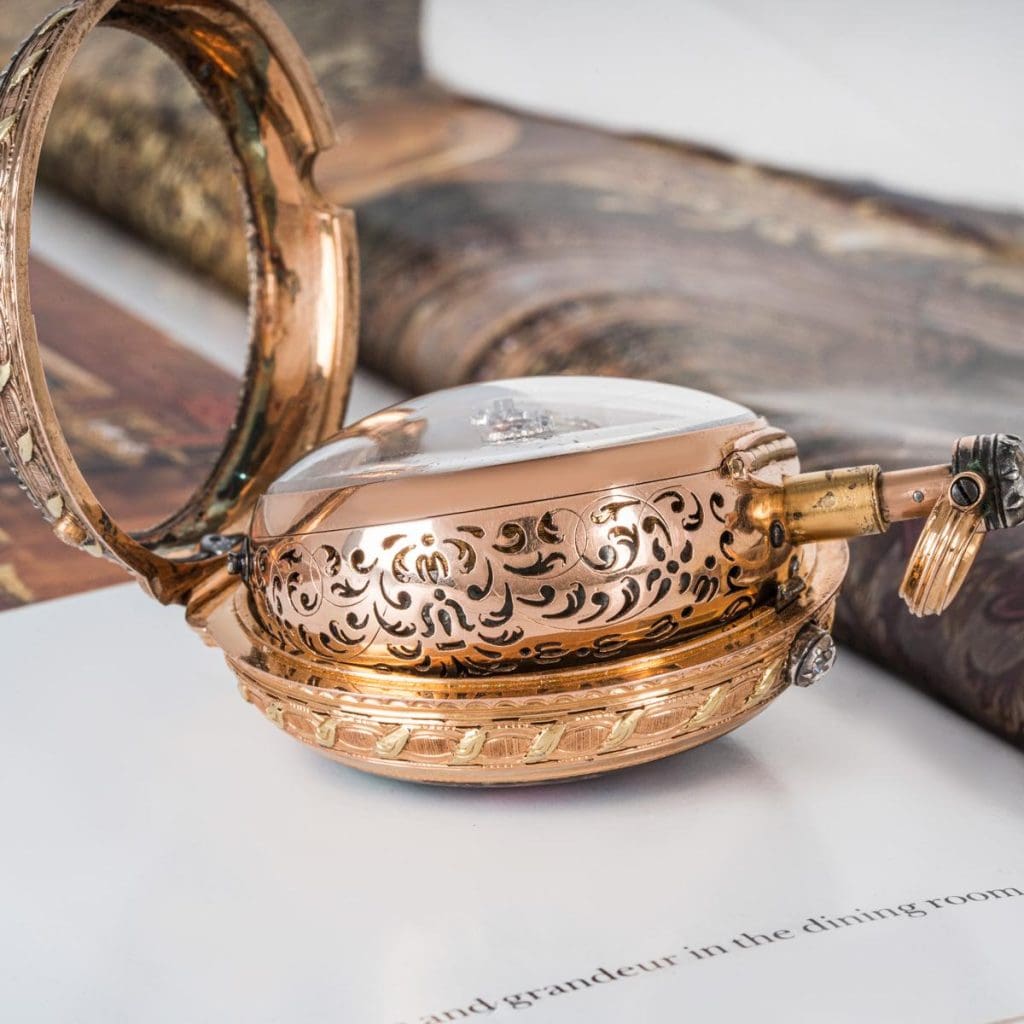
Collecting and valuing repeater watches.
Collecting and valuing repeater watches is a captivating pursuit that requires a keen eye for detail and an understanding of the historical significance and craftsmanship behind these timepieces. Repeater watches have long been coveted by collectors due to their intricate chiming mechanisms and the skill required to create them. When evaluating the value of a repeater watch, factors such as the brand, age, condition, and rarity all come into play. Limited edition or vintage repeater watches from renowned manufacturers tend to command higher prices in the market. Additionally, the complexity and precision of the chiming mechanism contribute to the value, as well as any unique features or complications present in the watch. Collectors and enthusiasts often seek well-preserved examples or those with documented provenance, as these factors further enhance the desirability and value of repeater watches in the market. It is essential to consult with experts or reputable dealers who specialize in repeater watches to ensure accurate valuation and to make informed decisions when adding these remarkable timepieces to a collection.

In conclusion, repeater pocket watches are a marvel of engineering and craftsmanship. By utilizing intricate mechanisms and precision timing, these timepieces are able to audibly tell the time with the push of a button. Whether for practical use or as a treasured collectible, the repeater pocket watch is a unique and impressive feat of horology. As technology continues to advance and timekeeping becomes more accurate, the repeater pocket watch remains a testament to the ingenuity and artistry of watchmaking.
FAQ
How does a repeater pocket watch work to audibly chime the time?
A repeater pocket watch works by using a complex system of gears and hammers that are activated by pressing a button on the watch. This triggers the hammers to strike tuned gongs inside the watch, producing a specific sequence of chimes that correspond to the time. The number of chimes indicates the hour, quarter hours, and minutes, allowing the wearer to hear the time audibly without needing to visually check the watch.
What are the different types of repeater mechanisms used in pocket watches?
The two main types of repeater mechanisms used in pocket watches are the quarter repeater, which chimes the hours and quarters, and the minute repeater, which chimes the hours, quarters, and minutes. These mechanisms are intricate and complex, designed to audibly indicate the time when activated by the user. Each type has its own unique sound pattern to indicate the specific time intervals, making them both functional and aesthetically pleasing features in high-end pocket watches.
How does the mechanism in a repeater pocket watch differentiate between hours, quarters, and minutes when chiming the time?
A repeater pocket watch differentiates between hours, quarters, and minutes by using a series of finely tuned hammers and gongs that strike different numbers of times to indicate the time. The mechanism involves a complex system of gears and levers that interpret the position of the hands on the watch face and translate it into audible chimes. By combining different patterns of chimes, the watch can accurately convey the time down to the minute. This intricate mechanical process allows the repeater pocket watch to audibly indicate the time without the need to visually read the watch face.
What materials are commonly used in the construction of the repeater mechanism in pocket watches?
The materials commonly used in the construction of the repeater mechanism in pocket watches include steel, brass, and various precious metals like gold or silver. These materials are chosen for their durability, precision, and aesthetic appeal, ensuring that the repeater mechanism functions accurately and reliably within the compact confines of a pocket watch. Additionally, components like gongs and hammers are often made from hardened steel to produce clear and resonant chimes when the repeater function is activated. Overall, a combination of these materials is crucial to the performance and longevity of a pocket watch repeater mechanism.
How has the design and functionality of repeater pocket watches evolved over time?
Repeater pocket watches have evolved from simple mechanical movements to more complex designs with improved accuracy, durability, and aesthetic appeal. Early repeater pocket watches were manual-wind and required frequent maintenance, while modern versions use automatic movements and advanced materials for longevity. The functionality has also improved, with the addition of features like chronographs, moon phases, and power reserve indicators. Overall, repeater pocket watches have become more reliable, precise, and stylish over time, catering to the evolving preferences and demands of watch enthusiasts.