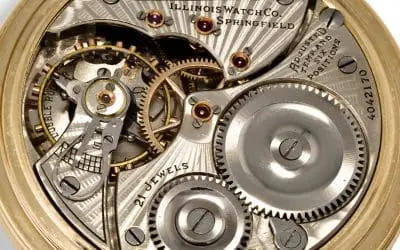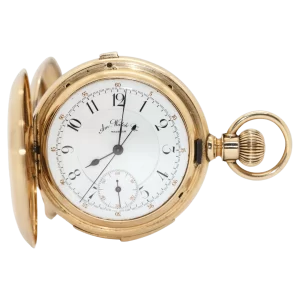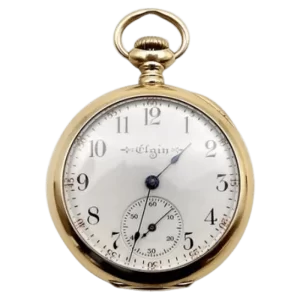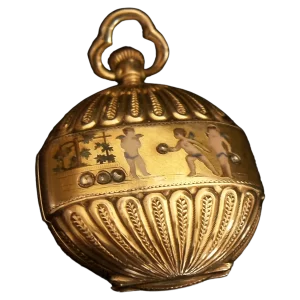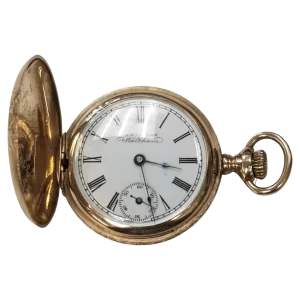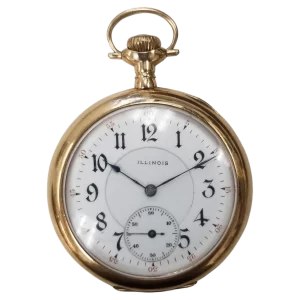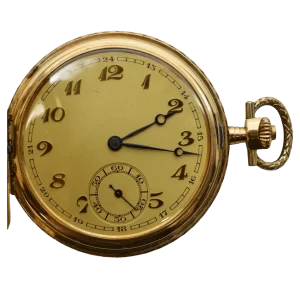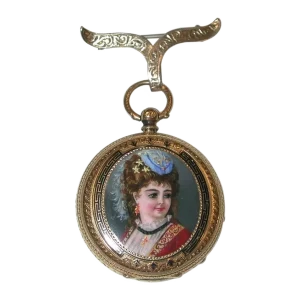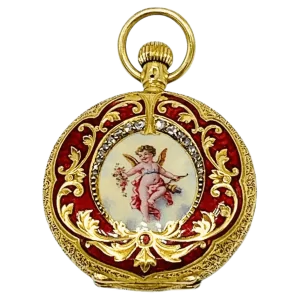

The pocket watch, once a staple accessory of gentlemen and a symbol of refined elegance, has seen a significant decline in its popularity in recent years. From being an essential tool for timekeeping to becoming a statement piece of fashion, the pocket watch has played a crucial role in history. However, with the advancement of technology and the shift in societal norms, the pocket watch has lost its appeal and has been replaced by more convenient and modern timekeeping devices. This decline in the use of pocket watches has not only affected the watch industry but has also caused a ripple effect on society and cultural traditions. In this article, we will explore the causes and effects of the decline of pocket watches, analyzing the factors that led to its downfall and the ramifications it has had on our daily lives. From the rise of wristwatches to the decline in traditional values, we will delve into the various aspects that have contributed to the decline of pocket watches and shed light on the impact it has had on our society.
Evolution of timekeeping technology
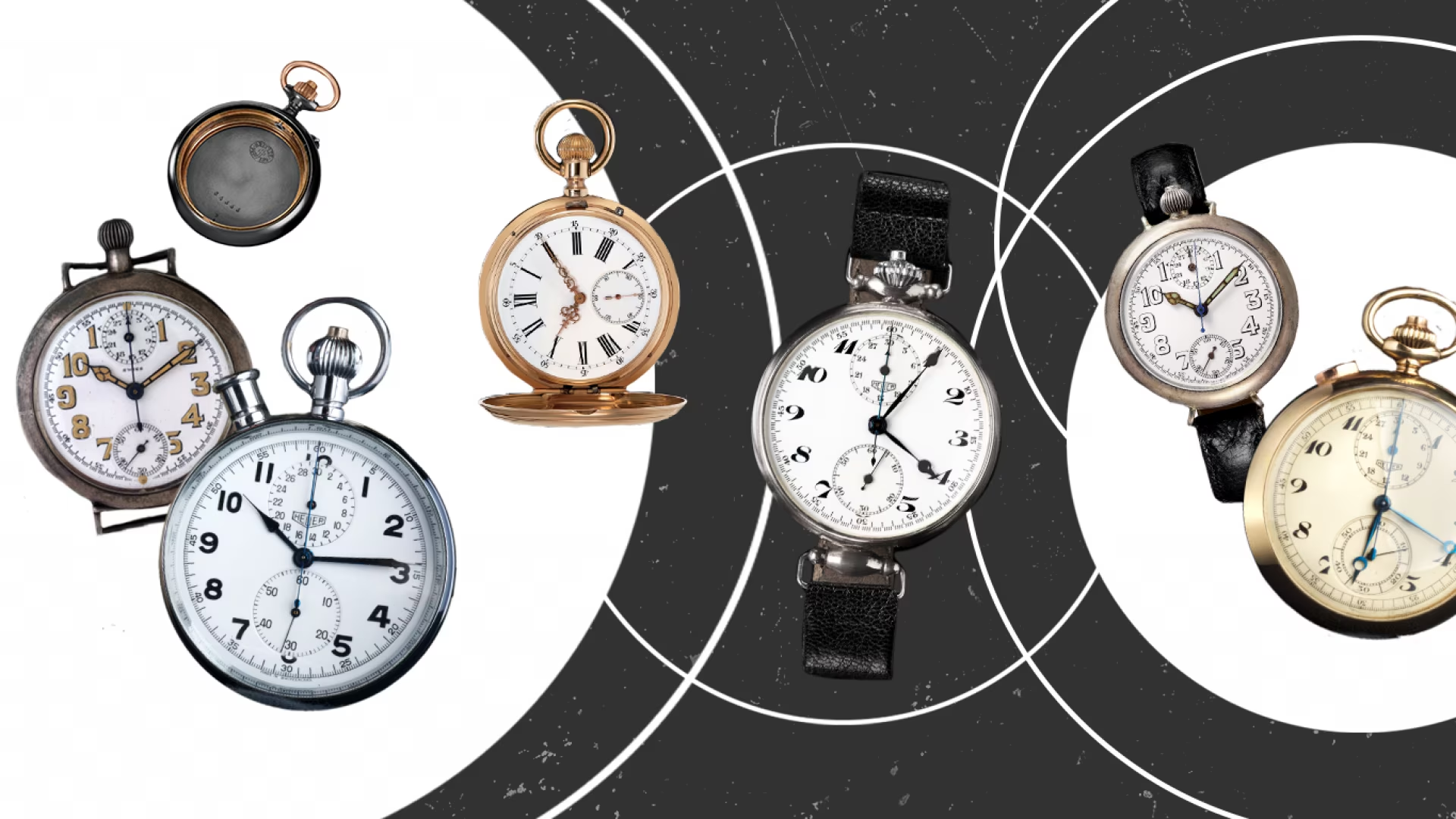
Throughout history, the evolution of timekeeping technology has witnessed remarkable advancements that have revolutionized the way we measure and track time. From the ancient sundials and water clocks used by ancient civilizations to the mechanical and quartz watches of the 18th and 19th centuries, and finally to the digital and smartwatches of today, timekeeping devices have continually adapted to meet the changing needs and demands of society. The development of precise and accurate timekeeping methods has greatly influenced various industries, including transportation, communication, and even scientific research. As technology continues to advance, it is intriguing to speculate what the future holds for timekeeping devices and how they will continue to shape our perception and management of time.
Rise of wristwatches in popularity
As the world entered the 20th century, a significant shift in timekeeping preferences occurred with the rise of wristwatches in popularity. This shift can be attributed to several factors, including technological advancements, shifting societal norms, and the practicality and convenience offered by wristwatches. Prior to this period, pocket watches were the preferred timekeeping devices, primarily worn by men and kept in pockets or attached to chains. However, wristwatches gained traction due to their ease of use, as they could be worn on the wrist, offering quick and effortless access to timekeeping. Moreover, wristwatches also became fashionable accessories, with designs and styles catering to various tastes and preferences. The increased demand for wristwatches propelled the watchmaking industry into a new era, shaping the way we perceive and use timekeeping devices to this day.
Shift in fashion trends
In parallel with the rise of wristwatches, there has been a noticeable shift in fashion trends over the years. This evolution can be attributed to a multitude of factors, such as changing cultural influences, advancements in technology, and shifting consumer preferences. Fashion, by its nature, is ever-changing, and what was once considered stylish and fashionable may now be seen as outdated or old-fashioned. With the advent of globalization and increased access to diverse fashion influences, individuals now have a wide range of options to express their personal style. From the rise of streetwear and athleisure to the resurgence of vintage fashion, the fashion industry continues to adapt and reinvent itself to meet the demands of an ever-evolving consumer market. As we move forward, it will be fascinating to see how fashion trends continue to evolve and shape our sartorial choices.
Impact of World War I
The Great War, also known as World War I, had a profound impact on the global landscape. From its onset in 1914 to its conclusion in 1918, the war brought about significant political, social, and economic changes that reverberated throughout the world. The conflict resulted in the loss of millions of lives, the destruction of cities and infrastructure, and the reshaping of national borders. The war introduced new technologies and tactics of warfare, including the use of poison gas, tanks, and aerial bombing, forever altering the nature of combat. The aftermath of World War I led to the collapse of empires, the redrawing of international boundaries, and the emergence of new nations. The war also set the stage for future conflicts and geopolitical tensions, laying the groundwork for the Second World War and shaping the course of the twentieth century.
Rise of digital watches
The technological advancements of the twentieth century brought about a significant shift in timekeeping devices, leading to the rise of digital watches. The introduction of electronic components and miniaturized technology revolutionized the way people could track time on their wrists. Digital watches offered an array of features, including precise timekeeping, alarm functions, stopwatch capabilities, and even calculators. These sleek and convenient devices quickly gained popularity among consumers, offering a more modern and efficient alternative to traditional mechanical timepieces. With their digital displays and innovative functionality, digital watches became symbols of the technological progress and convenience that defined the era. As a result, they gradually replaced pocket watches as the preferred timekeeping devices, marking a significant shift in the industry and forever changing the way people interacted with time.
Decline of traditional craftsmanship
The evolution of timekeeping devices and the widespread adoption of digital watches have had a profound impact on traditional craftsmanship. With the rise of mass production and the demand for more affordable and technologically advanced timepieces, the artistry and meticulous craftsmanship associated with pocket watches have been gradually marginalized. The intricate process of meticulously crafting the delicate gears, springs, and mechanisms of pocket watches, often passed down through generations of skilled craftsmen, has been overshadowed by factory-produced digital watches that prioritize efficiency and cost-effectiveness. Consequently, the decline of traditional craftsmanship in the pocket watch industry has resulted in a loss of the artistry, heritage, and attention to detail that once defined this timeless form of horology.
Changing needs and lifestyles
In recent years, changing needs and lifestyles have played a significant role in the decline of pocket watches. As technology advances, people have embraced a fast-paced and digital-centric way of life. The convenience and functionality offered by modern smartphones, smartwatches, and other wearable devices have made traditional pocket watches seem antiquated and impractical for many individuals. The need for instant access to time and a multitude of other features has led to a shift in consumer preferences, favoring devices that offer a multitude of functions in a compact and easily accessible format. This shift in lifestyle preferences has undoubtedly contributed to the diminishing demand for pocket watches and has further accelerated their decline in the market.
In conclusion, the decline of pocket watches can be attributed to a multitude of factors, including advancements in technology, changes in fashion trends, and the rise of smartphones. However, the impact of this decline reaches beyond the loss of a practical timekeeping tool. It represents a shift in society’s values and priorities, as well as the ever-evolving nature of technology and its effects on traditional industries. While pocket watches may no longer be a common sight, their legacy and significance in history will continue to be remembered and cherished.
FAQ
What factors contributed to the decline of pocket watches in popularity over the years?
The decline of pocket watches in popularity can be attributed to the rise of wristwatches, which were more convenient and practical for everyday use. Additionally, advancements in technology led to the production of more accurate and affordable wristwatches, making them a preferred choice among consumers. Changes in fashion trends also played a role, with wristwatches becoming a stylish accessory. Ultimately, the combination of convenience, affordability, and fashion preferences contributed to the decline of pocket watches in favor of wristwatches.
How did the rise of wristwatches impact the decline of pocket watches?
The rise of wristwatches in the early 20th century significantly impacted the decline of pocket watches. Wristwatches offered increased convenience and practicality, being easier to carry and check the time on the go. Additionally, wristwatches became popular among soldiers during World War I, further solidifying their place as a preferred timekeeping accessory. This shift in preference led to a decrease in the demand for pocket watches, ultimately leading to their decline in popularity and production.
What role did technological advancements play in the decline of pocket watches?
Technological advancements, specifically the invention and widespread adoption of wristwatches, played a significant role in the decline of pocket watches. Wristwatches offered greater convenience, portability, and functionality, leading to a shift in consumer preferences away from pocket watches. Additionally, advancements in manufacturing processes and materials made wristwatches more affordable and accessible to the general public. As a result, pocket watches gradually fell out of fashion and were replaced by wristwatches as the preferred timekeeping accessory.
How did changes in fashion trends and preferences affect the decline of pocket watches?
Changes in fashion trends and preferences, such as the shift towards more casual attire and the rise of wristwatches as a popular accessory, led to the decline of pocket watches. Wristwatches were seen as more practical and convenient for everyday wear, while pocket watches became associated with a more formal or outdated style. Additionally, advancements in technology and the mass production of wristwatches made them more affordable and accessible to a wider range of consumers, further contributing to the decline of pocket watches in the fashion industry.
What are some of the long-term effects of the decline of pocket watches on the watch industry as a whole?
The decline of pocket watches has led to a shift towards wristwatches, impacting the traditional watch industry. Manufacturers have focused more on wristwatches, leading to innovation in design, technology, and marketing strategies. Additionally, the decline of pocket watches has resulted in a decrease in craftsmanship and demand for pocket watch repair services. Overall, the watch industry has adapted to this shift by capitalizing on the popularity of wristwatches, but the decline of pocket watches has undoubtedly changed the landscape of the industry.