Finding Antique Clocks And Watches

18057324 101
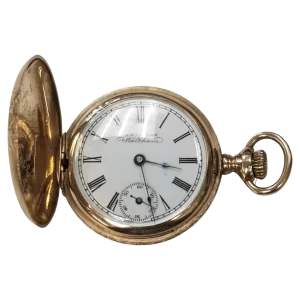
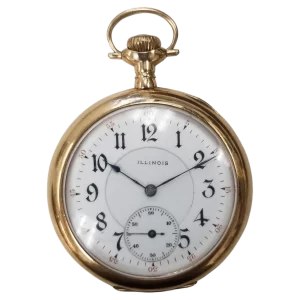
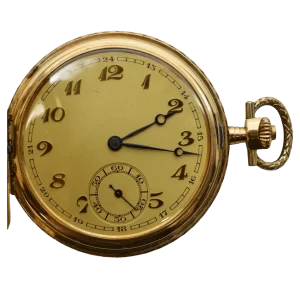
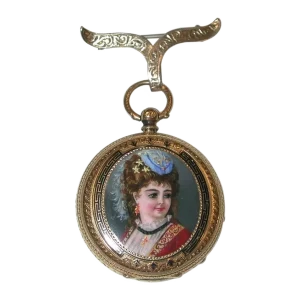
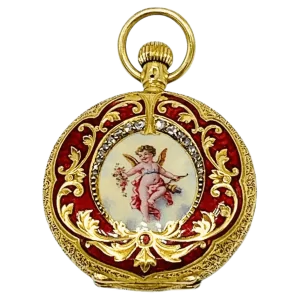
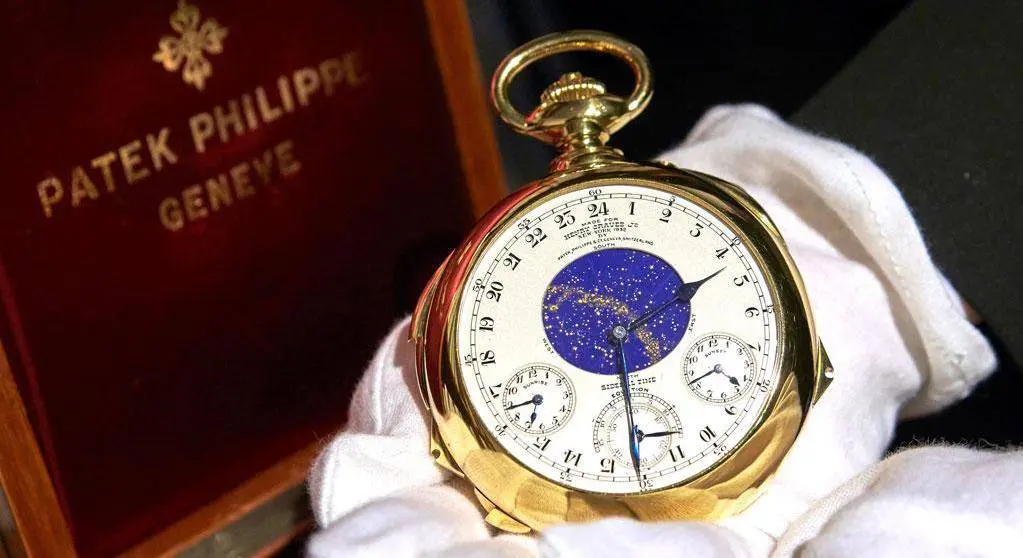
Embarking on the journey of discovering antique clocks and ‌watches is akin to stepping into a time capsule that holds the secrets of centuries⁣ past. From the intricate Verge Fusee Pocket Watch to the charming Germany ‍Staiger Alarm Clock, and from⁢ the Elgin National Pocket Watch to the stately Seth Thomas Mantle ​Clock, each piece tells a unique story of⁢ craftsmanship and history. These timekeepers, beyond ⁤their functional roles, are masterpieces of diverse materials, styles, and sizes, crafted by numerous‍ clock and watchmakers ⁣across the globe. The ability to identify⁤ and research these antiques is crucial, given​ their historical significance ⁤and ‍the sheer variety of their origins. Tracing the lineage of clocks and watches ⁤takes us‍ back to the late 14th ⁣century, a period when timekeeping devices were rare treasures reserved‍ for the ‍elite, ‍and the general populace ‍relied on public clocks. Today, many of these early timepieces are preserved in museums, with⁤ a select few remaining in ​private collections, each one a testament ‍to ​the evolution of timekeeping and​ the artistry of their ‍creators.

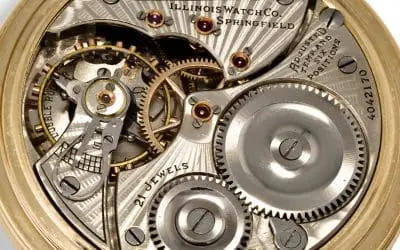
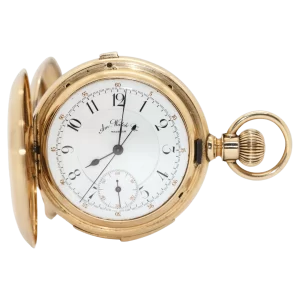
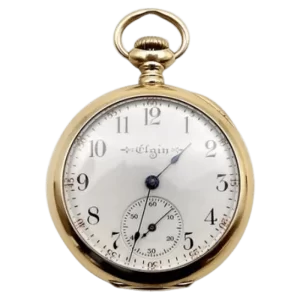
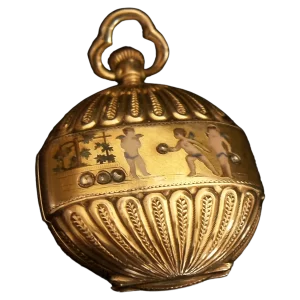
Prior Verge Fusee Pocket Watch … Germany Staiger Alarm Clock … Elgin National Pocket Watch … Seth Thomas Mantle Clock … Antique Leroy Repeater Pocket Watch

What do the above have in common? Well, besides being timekeepers, all of them are examples of old, classic, and antique clocks and watches.

Antique clocks and watches were made using different materials, styles, styles, and sizes long, long back. The ability to precisely identify and research on this antique clocks and watches are very important then because of the diversity, as well as the number, of clock and watchmakers and producers all over the world.

If we are going to trace the history of clocks and watches, we would be back to the late 14th century when the first clock was made. In the early years, as well as lots of centuries over, mechanical clocks and watches were so uncommon and made by couple of that only rulers and noblemen had such. The typical people, particularly those in Europe, need to rely on the couple of public clocks that are current.

Most of clocks and watches made from the 15th to the middle of the 17th century are now mostly in museums and a little portion in different individuals’ personal collection. Many people will never ever set eyes on these timekeepers nor will be able to acknowledge them.

Lots of antique clock and watch collectors would agree that durations in history considerably affected the products and designs of clocks and watches, such that these timekeepers were not only utilized for time measurement, but as decoration too. Also, they were made with such high quality that with appropriate care and maintenance, they are apt to last several centuries.

There are a number of things that you may take into consideration if you are a collector or just a one time buyer of an antique clock or watch – besides the reality that it need to be interesting, lovely, befitting your needs or you desire it to be a part of your life and home for many years.

Any changes made on them will reduce the worth of the antique clock or watch.

  • Rarity. Common sense determines that the rarity of anything brings worth. To determine rarity, research is needed, which may be costly and time consuming. When done, nevertheless, it may result into identification of clocks and watches that have exceptional worth.
  • Provenance. Determining the origin of the timepiece, like rarity, can affect the value of the clock or watch considerably. This likewise is done through research and documents.

The worths of clocks and watches vary from a couple of to several thousand dollars, though there are those that total up to a million or two. Figuring out a timepiece’s worth, however, can just be done if the four locations discussed above are well looked into or investigated. You must browse, therefore, for an authority that is honest and with stability to help you before buying.
4.9/5 - (7 votes)

Recommended for You…

The Science Behind Mechanical Pocket Watch Movements

Mechanical pocket watches have been around for centuries and continue to be popular vintage accessories for both men and women. From the intricate designs to the precise timekeeping, these timepieces are a testament to the ingenuity and craftsmanship of watchmakers....

The Significance of Hallmarks on Antique Silver Pocket Watches

Antique silver pocket watches hold a certain charm and fascination for both collectors and novices alike. These small, intricate timepieces not only serve as functional accessories but also serve as a testament to the craftsmanship and artistry of a bygone era....

The Mechanism of Repeater Watches Explained

Repeater pocket watches have a long and intriguing history, dating back to the 17th century. These intricate timepieces were admired by many for their ability to chime and strike at the push of a button, making them a popular choice for those in need of a reliable and...

The Influence of Swiss Craftsmanship on Antique Watches

Switzerland has long been renowned for its precision and excellence in craftsmanship, particularly in the realm of horology. The country's reputation for producing high-quality timepieces dates back centuries, with Swiss watchmakers gaining worldwide recognition for...

The Decline of Pocket Watches: Causes and Effects

The pocket watch, once a staple accessory of gentlemen and a symbol of refined elegance, has seen a significant decline in its popularity in recent years. From being an essential tool for timekeeping to becoming a statement piece of fashion, the pocket watch has...

The Value of Antique Pocket Watches: What Collectors Need to Know

Antique pocket watches have a rich history and hold a special place in the world of collectibles. These intricate timepieces were once an essential accessory for the upper class, and today, they continue to capture the attention of collectors worldwide. While many may...

The Role of Jewel Bearings in Antique and Vintage Watch Movements

Pocket watches have been an integral part of timekeeping for centuries, serving as a symbol of elegance and precision. And behind the intricate movements of these timepieces lies a crucial component – the jewel bearings. These small, precious gemstones play a vital...

Navigational Timepieces: Marine and Deck Pocket Watches

Navigational timepieces have played a crucial role in maritime history, aiding sailors in their journeys across the vast seas. These timepieces, specifically designed for use on ships, were essential tools for navigation and timekeeping. Among the many types of...

The Preservation and Display of Antique Pocket Watches

Antique pocket watches hold a unique place in our history, serving as both functional timepieces and cherished heirlooms. These intricate and often ornate timepieces have been passed down through generations, carrying with them stories and memories from a bygone era....

Key-Wind vs. Stem-Wind Pocket Watches: A Historical Overview

Pocket watches have been a staple in timekeeping for centuries, serving as a reliable and convenient accessory for people on the go. However, the way these timepieces are powered and wound has evolved over time, resulting in two popular mechanisms known as key-wind...

The Art of Guilloché on Antique Watch Cases

The intricate designs and delicate beauty of antique pocket watches have captivated collectors and enthusiasts for centuries. While the mechanisms and timekeeping capabilities of these timepieces are certainly impressive, it is often the ornate and decorative cases...
Watch Museum: Discover the World of Antique & Vintage Pocket Watches
Privacy Overview

This website uses cookies so that we can provide you with the best user experience possible. Cookie information is stored in your browser and performs functions such as recognising you when you return to our website and helping our team to understand which sections of the website you find most interesting and useful.